
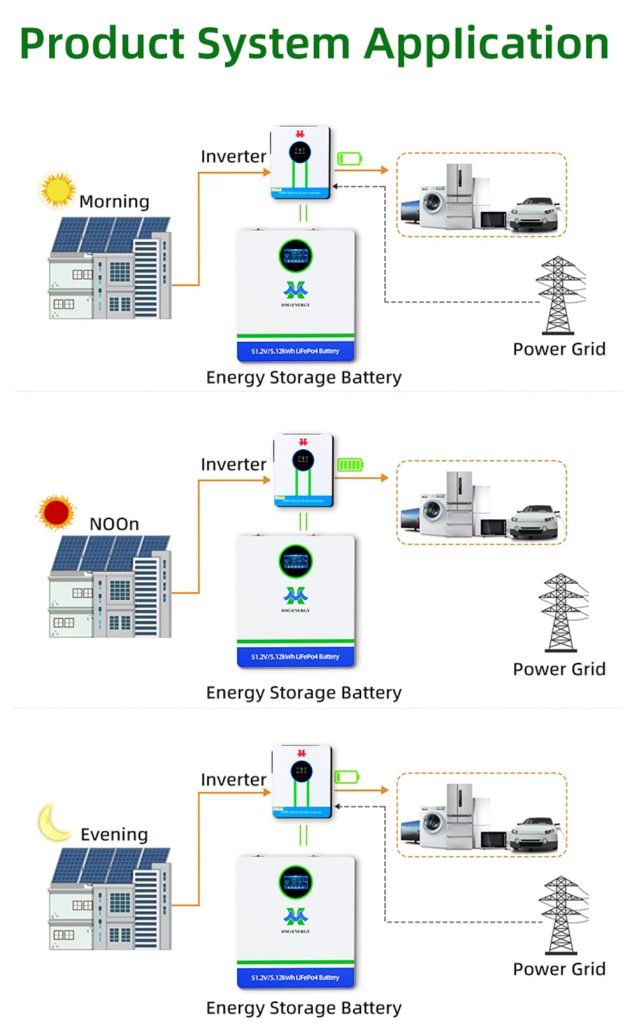
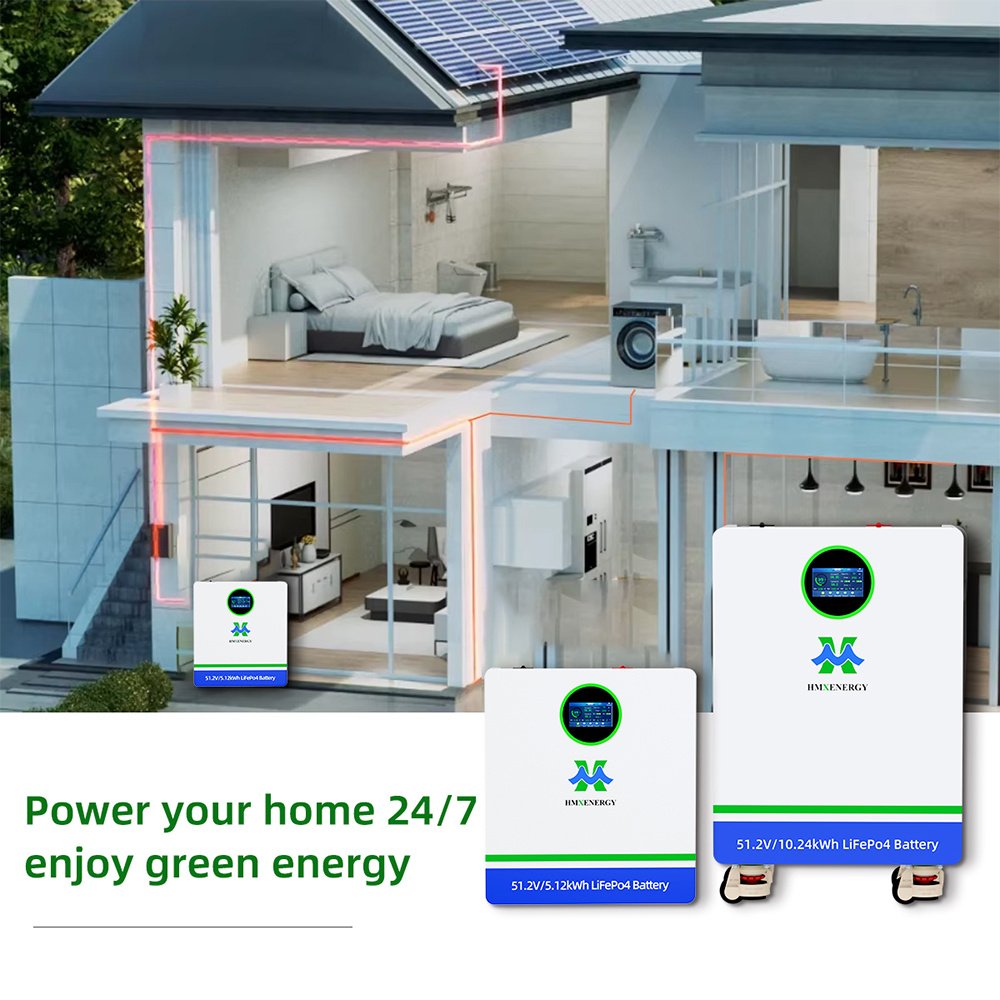
Global demand for residential solar energy systems has shifted from standalone photovoltaic (PV) generation toward fully integrated, battery-backed energy solutions. Homeowners no longer seek simple grid-tied solar panels; they expect hybrid energy storage setups capable of providing seamless blackout protection, evening peak-shaving, and smart grid interaction.
For regional solar distributors, equipment OEMs, and system integrators, this market transition presents significant commercial opportunities alongside complex technical challenges. Supplying residential solar systems requires balancing high battery cycle life, strict regional fire safety codes, closed-loop inverter communications, and competitive wholesale margins. Selecting the wrong manufacturing vendor can lead to high warranty claim rates, interoperability failures in the field, and costly logistics delays caused by unverified battery transportation listings.
This procurement guide provides renewable energy hardware buyers with an engineering-grounded framework to evaluate, source, and deploy commercial-grade residential solar equipment lines.
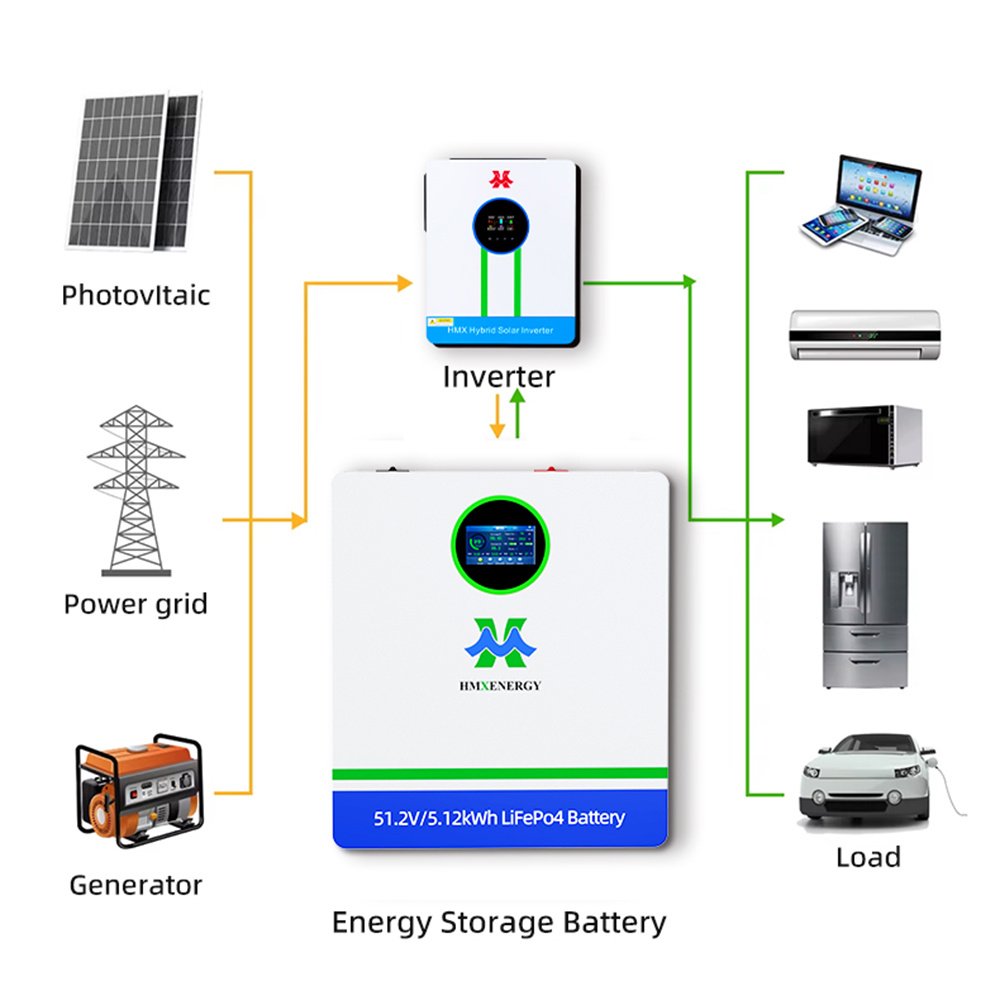
Core Architecture of Modern Residential Solar Energy Systems
A complete, high-reliability residential solar energy system comprises four core hardware subsystems working in synchronized equilibrium:
- Solar Photovoltaic (PV) Array: Converts solar irradiance into direct current (DC) power.
- Hybrid or Off-Grid Solar Inverter: Converts DC power from PV modules and battery banks into alternating current (AC) for household loads while managing bi-directional energy flow.
- Lithium Battery Energy Storage System (BESS): Stores excess solar production for evening self-consumption or emergency backup.
- Battery Management System (BMS): Monitors cell voltages, balances state of charge (SoC), manages thermal parameters, and enforces electrical protection limits.
[PV Array (DC)] ► [Hybrid Inverter] ◄ ► [LiFePO4 BESS (DC)]
AC Main Panel & Home Loads ◄ ► Utility Grid
Low-Voltage (48V) vs. High-Voltage (100V–500V) Systems
When building a distribution catalog or specifying OEM hardware lines, equipment buyers must choose between low-voltage and high-voltage battery architectures based on target installation scenarios.
| Technical Parameter | Low-Voltage (48V / 51.2V Nominal) | High-Voltage (100V – 500V DC) |
|---|---|---|
| Typical Capacity Range | 5 kWh – 30 kWh per stack | 10 kWh – 80 kWh+ per tower |
| Inverter Efficiency | 92% – 95% (higher DC-to-DC conversion loss) | 96% – 98.5% (closer match to PV bus voltage) |
| Wiring & Conductor Gauge | Heavy gauge (AWG 2/0 to 4/0) required for high current | Thinner gauge wiring; lower copper costs |
| Safety & Installation Complexity | Safer touch-voltage (< 60V DC); DIY/installer friendly | Requires certified high-voltage DC technicians |
| Best-Fit Target Segment | Retrofit residential, off-grid cabins, budget storage | Whole-home backup, premium new-build residential |
Partnering with a vertically integrated manufacturer such as HMX Energy factory-direct residential solar BESS systems enables distributors to offer both 48V low-voltage server-rack battery modules and stackable high-voltage residential storage towers under unified OEM/ODM branding.
Critical BMS-to-Inverter Protocol Interoperability
One of the most persistent operational challenges reported by solar equipment distributors is protocol incompatibility between third-party lithium battery packs and hybrid solar inverters. When the Battery Management System (BMS) fails to establish closed-loop communication with the inverter’s power conditioning unit, the system defaults to open-loop voltage-based charging. Open-loop charging reduces state-of-charge calculation accuracy, accelerates cell degradation, and causes premature high-voltage disconnection trips.
Key Takeaway: Closed-loop CANbus and RS485 protocol matching enables the battery BMS to dynamically dictate maximum charge/discharge current limits (CCL/DCL) to the hybrid inverter in real time based on temperature and internal cell health.
Communication Protocol Matching Matrix
To ensure seamless field performance, distributors should confirm that OEM battery hardware natively supports the primary inverter protocols used in their regional market:
- CANbus (Controller Area Network): High-speed differential signaling (typically 250 kbps or 500 kbps). Preferred protocol for premium hybrid inverters (e.g., Sol-Ark, Victron, Deye, Megarevo).
- RS485 / Modbus RTU: Serial communication standard using master-slave architecture. Widely used for telemetry logging and secondary BMS configuration.
Factory-direct OEM suppliers equipped with in-house firmware engineering teams can pre-flash multi-protocol firmware onto battery control boards, allowing field installers to select inverter communication profiles via a dip switch or LCD menu.
Mandatory Safety & Compliance Standards (UL 9540, UL 1973, UN 38.3)
Regulatory authorities having jurisdiction (AHJs) across North America and Europe enforce strict safety listings for stationary battery installations. Navigating these building and fire codes is critical for distributors to avoid inventory impoundment or unpermittable hardware lines.
UL 9540 (Complete System) UL 1973 Battery UL 1741 PCS UL 9540A (Thermal Fire Test)
Understanding the Safety Standard Hierarchy
- UL 1973 (Stationary Battery Safety): Evaluates the mechanical, electrical, and environmental integrity of individual battery modules and packs. According to the UL 1973 stationary battery safety listing, passing UL 1973 confirms cell-level reliability but does not automatically authorize installation as a complete energy storage system.
- UL 9540 (System-Level Energy Storage Safety): Assesses the combined safety of the battery pack, hybrid inverter, enclosure, and firmware protection algorithms as an integrated unit. The National Electrical Code (NEC) and International Fire Code (IFC) mandate that residential energy storage equipment meet UL 9540 energy storage system safety standards for utility grid interconnection.
- UL 9540A (Thermal Runaway Fire Test): Evaluates fire propagation behavior at the cell, module, and unit levels. Reviewing UL 9540A thermal runaway propagation testing documentation allows fire officials to determine permissible indoor, garage, or exterior wall clearance distances under NFPA 855 guidelines.
- UN 38.3 (Lithium Transportation Safety): Mandatory international standard covering altitude simulation, thermal testing, vibration, shock, external short circuit, and impact. UN 38.3 certification is legally required for Class 9 Dangerous Goods sea and air freight logistics.
UL 1973 (Battery Pack) + UL 1741 (Inverter) ► UL 9540 System Listing ► Approved for Installation
Pro Tip: Verify that your OEM partner maintains active test reports from Nationally Recognized Testing Laboratories (NRTLs) such as Intertek (ETL), TÜV Rheinland, or UL Solutions rather than unverified self-declarations.
Distributors evaluating wholesale hardware offerings can inspect the certified lithium battery storage and inverter catalog to review pre-certified BESS equipment engineered for North American and European grid interconnection.
Evaluating Vertically Integrated Manufacturing vs. Tier-2 Assembly
The long-term profitability of a solar equipment distribution business depends on product yield rates and cell quality consistency. Tier-2 assembly vendors often procure surplus or non-graded lithium cells from secondary markets, leading to cell imbalance, rapid capacity fade, and high field replacement overhead.
Quality Control Milestones in Tier-1 Manufacturing
When conducting factory audits or reviewing supplier capability reports, distributors should verify the following automated production capabilities:
- Automated Cell Sorting & Impedance Matching: High-precision capacity, internal resistance (IR), and voltage sorting to within 0.01 mm terminal tolerances and strict milliohm thresholds.
- Automated SMT & Robotic Welding: Laser-welded busbars and Surface Mount Technology (SMT) circuit assembly to ensure low contact resistance and mechanical shock absorption.
- Electroluminescence (EL) & Flash Testing: Optical inspection of solar module cells and digital testing of lithium pack discharge curves under full C-rate thermal loads.
- ISO9001:2015 Manufacturing Systems: Standardized quality management yielding automated production pass rates exceeding 99.99%.
Automated Cell Sorting (IR & Voltage) ► Laser-Welded Busbars ► Full C-Rate Load Testing ► 99.99% Pass Rate
Margin Protection & Direct Engineering Support
Working directly with a vertically integrated manufacturer eliminates tier-2 middleman markups (typically 15% to 30%), securing healthy gross margins for regional resellers. Furthermore, direct factory partnerships grant access to dedicated R&D engineering teams—such as technical specialists with experience from industry leaders like Huawei and BYD—ensuring direct assistance for custom BMS protocol engineering, white-label chassis modification, and firmware debugging.
Distributors looking to establish private-label equipment lines can explore the OEM/ODM distributor partnership program for factory-direct hardware customization and priority production allocation.
The 8-Point B2B Hardware Procurement Checklist for Solar Distributors
Before issuing purchase orders for residential solar equipment, procurement managers should evaluate prospective suppliers against this structured 8-point checklist:
| Step | Procurement Check | Verification Standard | Target Requirement |
|---|---|---|---|
| 1 | Battery Cell Chemistry | Cell Data Sheet / Material Safety Data | LiFePO4 (Lithium Iron Phosphate) for high thermal stability |
| 2 | Cycle Life Expectancy | Accelerated Lifecycle Test Curve | ≥ 6,000 cycles @ 80% DoD (Depth of Discharge), 25°C |
| 3 | System Safety Listing | NRTL Certificate (ETL, TÜV, UL) | ANSI/CAN/UL 9540 system listing and UL 1973 module certification |
| 4 | Thermal Test Compliance | UL 9540A Test Summary | Cell and module level non-propagation data available for fire marshals |
| 5 | Inverter Protocol Compatibility | BMS Firmware Protocol List | Native CANbus / RS485 auto-matching for major regional inverter brands |
| 6 | Grid Code & Interconnection | Utility Compliance Documents | Compliance with NEC and International Fire Code standards and IEEE 1547 |
| 7 | Logistics & Dangerous Goods | UN 38.3 & MSDS Documentation | Class 9 hazardous material packaging and UN 38.3 transport safety pass |
| 8 | Factory Quality Assurance | ISO Audit & Factory Yield Rate | ISO9001 certified manufacturing with verified ≤ 0.01% defect rates |
Reviewing the company’s vertically integrated solar manufacturing capability provides technical buyers with insight into automated production lines, quality control benchmarks, and international certification credentials.
Frequently Asked Questions (FAQ) for Solar Equipment Distributors
What is the practical difference between UL 1973 and UL 9540 for residential storage?
UL 1973 certifies the safety of individual stationary battery packs and modules. UL 9540 is a comprehensive system-level certification that evaluates the battery pack, hybrid inverter, BMS firmware, and protective enclosure as an integrated whole. Building inspectors and local utilities in North America require UL 9540 listing for grid interconnection approvals.
Can custom BMS protocols be flashed for proprietary hybrid inverters?
Yes. Vertically integrated OEM manufacturers with dedicated firmware engineering teams can write custom CANbus or RS485 protocol drivers to establish closed-loop communication between private-label battery hardware and proprietary inverter control units.
How does LiFePO4 chemistry compare to NMC for residential applications?
Lithium Iron Phosphate (LiFePO4) offers superior thermal and chemical stability, significantly lower risk of thermal runaway, and longer cycle life (6,000+ cycles) compared to Nickel Manganese Cobalt (NMC). While NMC has slightly higher energy density, LiFePO4 is the industry standard for stationary residential energy storage systems.
What transportation documentation is required for shipping lithium battery packs?
International sea and air transport regulations classify lithium battery packs as Class 9 Dangerous Goods. Shippers must supply UN 38.3 test reports, Material Safety Data Sheets (MSDS), and UN-rated hazard packaging documentation to clear customs without logistics delays.
Strategic Hardware Sourcing for Renewable Energy Distributors
As global energy transition policies drive adoption of residential solar energy systems, equipment distributors and OEM integrators must align with manufacturing partners capable of delivering certified, high-reliability hardware at scale. Combining engineering-grade BMS protocol compatibility, UL 9540 safety listings, and factory-direct pricing structures allows distributors to capture growing market share while protecting operating margins.
For technical specifications, OEM custom branding, or batch pricing inquiries, consult with HMX Energy solar engineers to discuss custom battery storage and inverter manufacturing solutions tailored to your market.