
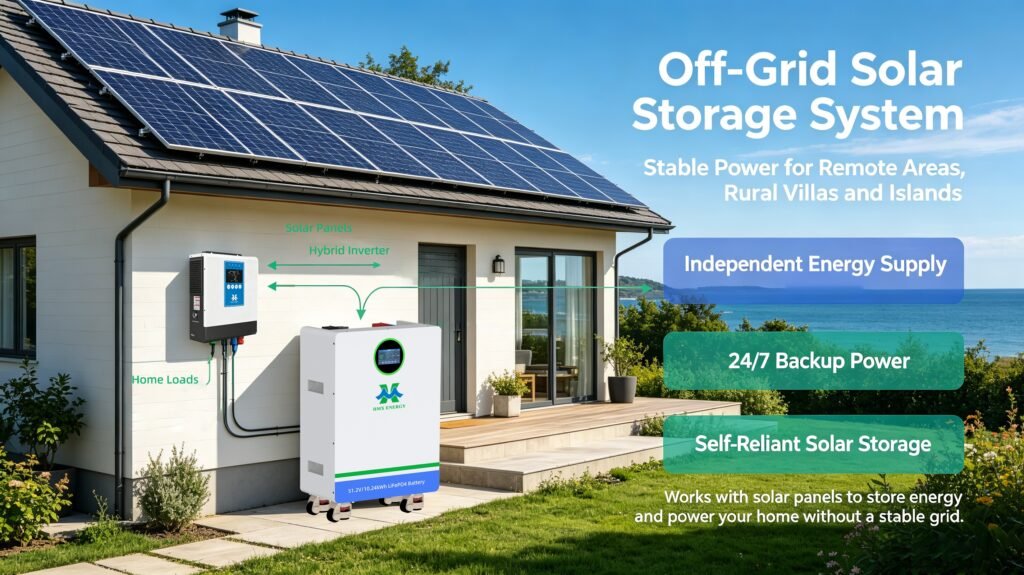
Wall-mounted and floor-standing batteries can use similar electrical building blocks, yet they create different site and service requirements. The choice is not cosmetic. It affects structural support, working clearance, cable entry, lifting, water exposure and replacement access.
A distributor should therefore qualify the installation method along with capacity and inverter compatibility.
مرجع HMX ذو الصلة هو wall-mounted home batteries. استخدمه لتأطير المناقشة التالية مع المورد، ثم سجّل الانحرافات الخاصة بالمشروع قبل الطلب.
إجابة مباشرة: Select the mounting method after a site survey. Record wall material or floor condition, clearances, route to the inverter, expected water level, ventilation and the method for moving the unit safely.
تاريخ مراجعة البحث: 30 سبتمبر 2026. البيانات الكمية مرتبطة بالمصدر المُشار إليه ويجب إعادة التحقق منها إذا تم الشراء لاحقاً.
لمراجعة الأدلة النهائية، استخدم نطاق IEC 63056:2020 كمرجع تحقّق. تضيف IEC 63056 متطلبات سلامة للخلايا والبطاريات الليثيوم الثانوية المستخدمة في أنظمة تخزين الطاقة الكهربائية حتى 1,500 فولت DC اسمي.
تحديد النطاق
For Solar distributors, installers and residential project firms, the first task is to turn the intended service into measurable inputs and acceptance limits. The following table keeps the decision tied to evidence instead of a broad product label.
| Factor | مثبت على الحائط | Floor-standing |
|---|---|---|
| Support | Depends on wall structure and approved fixings | Depends on level, load-bearing floor |
| Handling | Lifting and alignment at height | Floor movement and anti-tip measures |
| Cable route | Often short and visible near inverter | May allow lower cable entry |
| Flood exposure | Can place battery above floor level | Requires suitable plinth or location where needed |
| Service access | Front/side clearance plus removal path | Access plus space to move the unit |
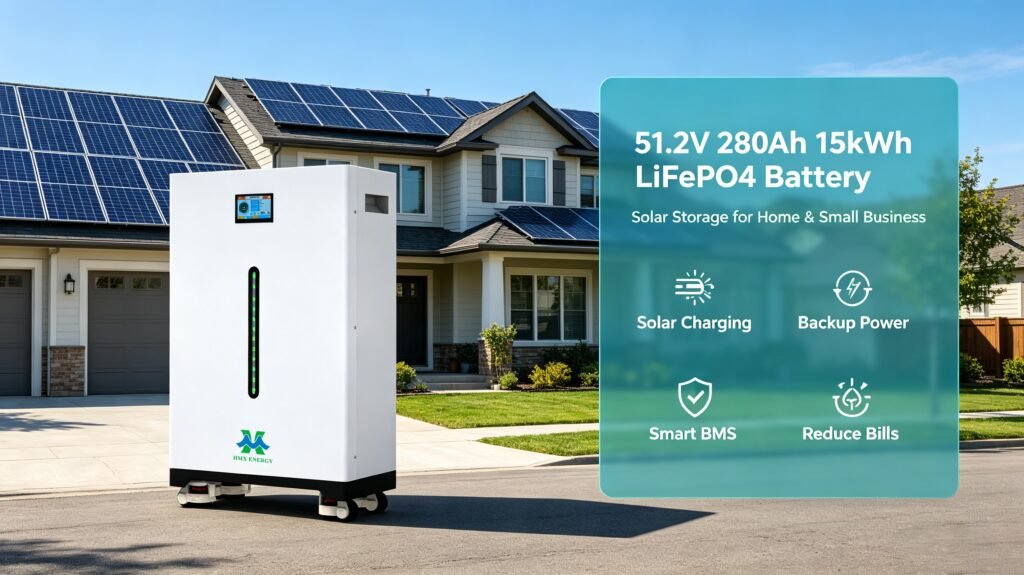
يمكن للمشترين الذين يحددون النطاق الأولي مقارنة هذه المتطلبات مع نظام HMX floor-standing home batteries. الصفحة هي مرجع منتج أو مشروع؛ ولا تزال الملاءمة النهائية تتطلب مواصفات مشروع مكتوبة.
للسياق الحالي للسوق والسياسات، راجع نطاق IEC 62619:2022. يغطي IEC 62619:2022 متطلبات السلامة والاختبارات للخلايا والبطاريات الثانوية من الليثيوم المستخدمة في التطبيقات الصناعية، بما في ذلك الاستخدامات الثابتة والحركية.
Installation details that decide the format
These are the practical objections and failure modes most likely to stop approval, delay commissioning or create an avoidable service call for Solar distributors, installers and residential project firms.
- Wall construction and anchor loads are assumed rather than verified.
- A floor unit is placed in a flood-prone or obstructed service area.
- Cable bend radius and the removal path are omitted from the layout.
الأسئلة التي يجب على المشتري طرحها قبل الموافقة
- Can technicians isolate and remove the battery safely?
- Does the location meet clearance, heat and water-exposure limits?
- Who verifies anchors, floor loading and protected cable routes?
اختبارات القبول والفشل
يجب أن يحدد العرض التجاري افتراضاته واستثناءاته وحدود القياس. يمكن للمشترين عندئذٍ مقارنة الأنظمة على نفس الأساس وإبقاء تغييرات التصميم اللاحقة تحت ضبط الوثائق.
| Survey item | Record | Do not assume |
|---|---|---|
| Wall or floor | Material, condition and loading | That any masonry is suitable |
| Clearance | Manufacturer minimums and local rules | That a tight closet is acceptable |
| Temperature | Daily maximum at battery position | That room average equals battery temperature |
| Moisture | Leaks, condensation and flood risk | That indoor means dry |
| Access | Door width, stairs and lifting route | That installers can move the unit safely |
نقاط العمل لفريق المشروع
- Use only the mounting hardware and orientation approved for the model.
- Keep DC protection and cable sizing within the system design.
- Plan replacement access before cabinets and furniture are fixed.
- Photograph the completed installation and label isolation points.
يجب أيضًا التحقق من المقارنة الفنية مقابل حاسبة NREL PVWatts. يقدّر PVWatts إنتاج الطاقة الكهروضوئية المتصلة بالشبكة من الموقع ومدخلات النظام. وهو مفيد للجانب الكهروضوئي في الدراسة، لكنه لا يحل محل تحليل الحمل الزمني والانقطاع لتحجيم البطارية.
Make installation and service access part of product selection
A wall-mounted unit transfers static and service loads into the wall and anchors. The installer should identify the wall construction, approved fasteners, mounting surface and cable forces rather than relying on appearance. A floor-standing unit needs a level, load-capable base and protection from standing water, vehicle impact and blocked ventilation.
لمراجعة ملموسة على مستوى المعدات، طبّق الفحوصات المذكورة أعلاه على بطارية LiFePO4 مثبتة على الحائط بقدرة 10kWh واطلب تأكيداً لظروف الموقع المقصودة ووضع التشغيل.
Draw the working clearance, isolation point, cable bend radius and removal path. Service may require opening covers, reaching connectors or moving the complete battery, so the installed position must support those tasks without dismantling unrelated equipment. Keep escape routes, electrical panels and household storage areas clear.
لأعمال المواصفات والقبول،, UNECE Manual of Tests and Criteria, Revision 8 provides an independent reference. UNECE publishes the current Manual of Tests and Criteria and its 2025 amendment, including changes affecting subsection 38.3 for lithium cells and batteries.
Environmental suitability remains separate from mounting style. Confirm temperature range, direct sun, humidity, dust, corrosive exposure and water risk against the named product documentation. Photograph anchors, cable protection, labels and final clearances, then include them with commissioning measurements in the installation record.
من التحليل إلى قرار قابل للتدقيق
- Survey structure, floor level, water exposure and working clearances.
- Approve the mounting and cable route before delivery.
- Verify isolation, ventilation and a safe battery removal path.
- Record anchors, labels, settings and commissioning results at handover.
Document the installed configuration
Compatibility and safety depend on the equipment as installed, not only on a catalogue selection. Preserve model and firmware identifiers, wiring and protection drawings, physical clearances, settings and test conditions. Later service work should begin from this baseline and record every approved change.
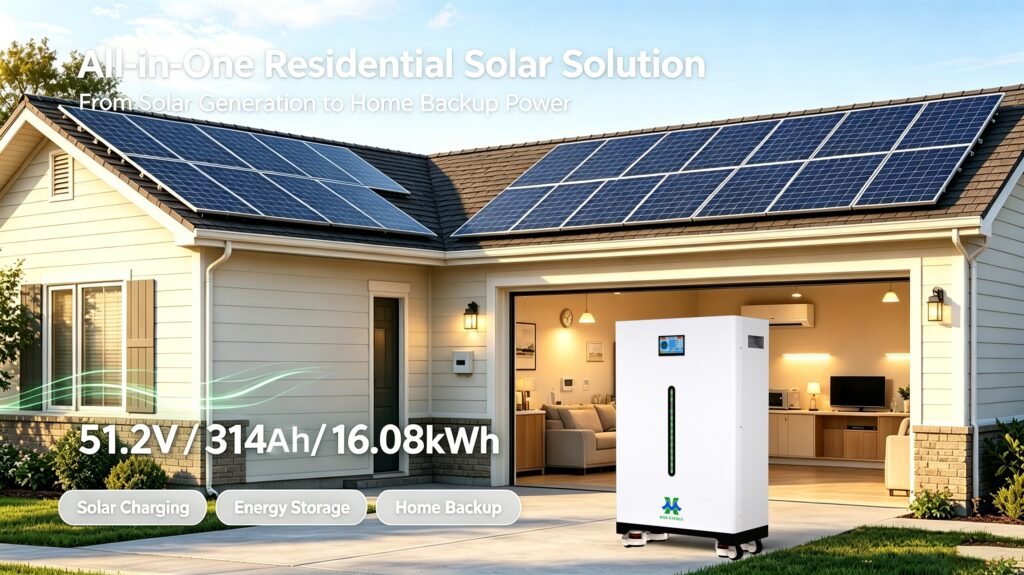
يمكن استخدام نفس الأدلة وأسئلة القبول عند تقييم منتجات HMX بطارية LiFePO4 أرضية بسعة 16kWh; ؛ ينبغي مطابقة معلومات الكتالوج مع عرض الأسعار والرسومات الخاضعة للرقابة.
- Named equipment, firmware, accessories, cables and communication settings.
- As-built electrical and physical drawings with isolation points identified.
- Commissioning results for normal operation, limits and selected failure states.
- Backups, photographs, change log and a technician recovery procedure.
After service or firmware work, compare the returned system with the approved baseline and repeat affected tests. This makes later troubleshooting faster and prevents an undocumented field change from invalidating a compatibility or safety conclusion.
قاعدة القرار
اختر الخيار الذي يلبي ظروف الموقع وهدف الخدمة ونموذج الصيانة بأوضح أدلة الاختبار. فالقدرة الاسمية الأكبر أو الادعاء التسويقي الأوسع ليس بديلاً عن الملاءمة.