
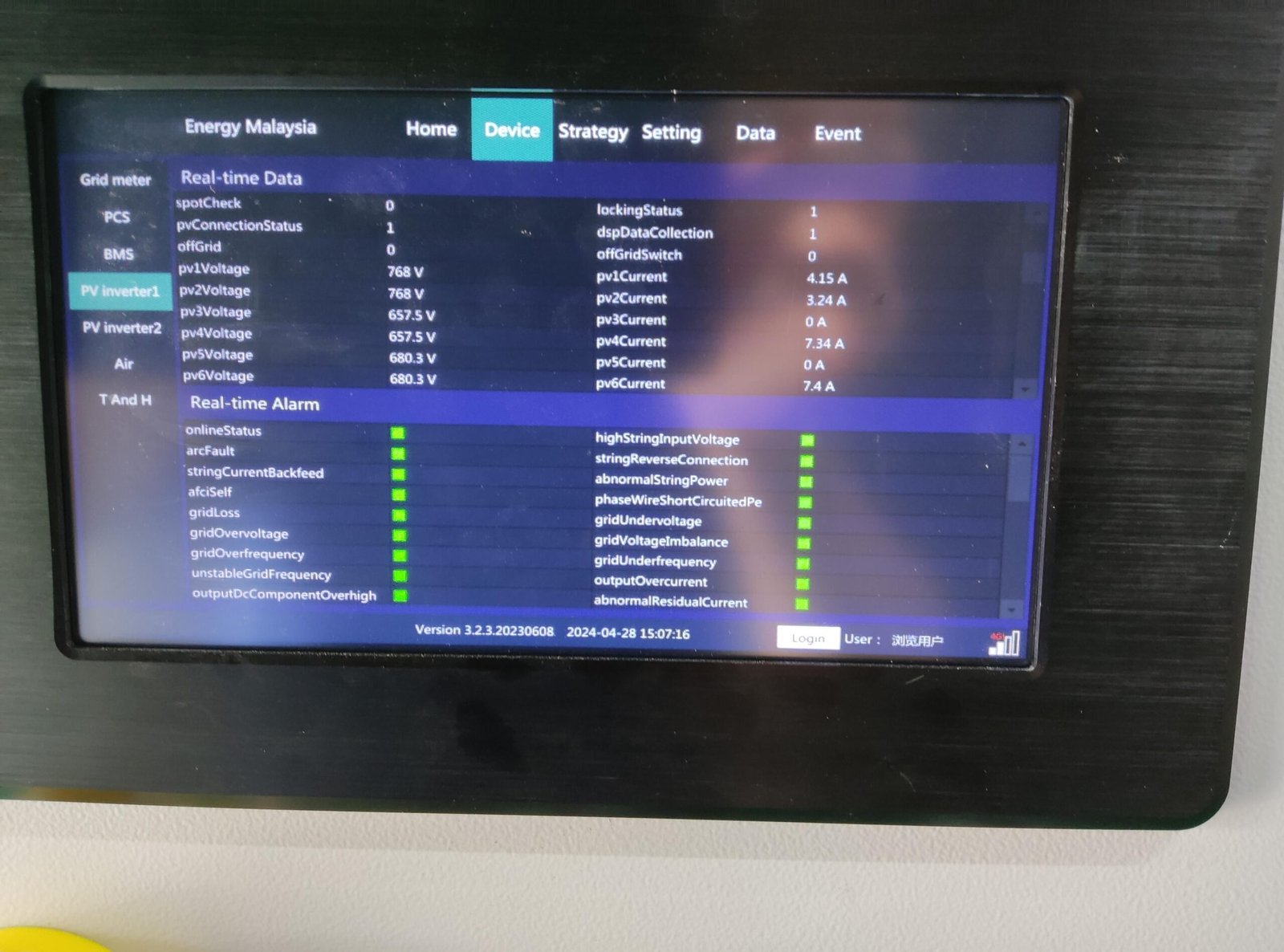
Liquid cooling can improve temperature control and packaging density, but it adds pumps, hoses, seals, manifolds, valves, heat exchangers, coolant chemistry and leak paths to the BESS. A statement that a cabinet is “liquid cooled” does not tell the buyer whether one small leak produces an early service alarm, a hidden loss of cooling, an insulation fault or damage that requires a battery section to be replaced.
The procurement question is not whether leaks are theoretically possible. It is how the selected system prevents, detects, locates, isolates and recovers from coolant loss across its operating life. The answer must connect mechanical design, electrical safety, BMS or thermal-controller logic, plant alarms, maintenance access, spare parts and warranty responsibility.
قائمة التحقق الخاصة بمشتريات أنظمة تخزين الطاقة بالبطاريات لعام 2024 الصادرة عن وزارة الطاقة الأمريكية الخطة الاستراتيجية لسلامة تخزين الطاقة treats safety across planning, procurement, construction, commissioning, operation and decommissioning. A liquid-cooling specification should follow that lifecycle rather than limiting leak control to a factory pressure test.
Identify the Actual Coolant Circuit and Its Boundaries
Request a simplified cooling schematic for the offered configuration. It should show pumps, reservoirs or expansion volume, heat exchangers, manifolds, branch circuits, flexible connections, vents, drains, filling points, pressure and temperature sensors, leak sensors and service isolation. Mark which components are inside battery enclosures and which are in a separate thermal-management compartment.
State whether the circuit serves one cabinet, several cabinets, a container or shared site equipment. A shared loop can create common-cause loss and cross-contamination concerns; independent loops create more components and service points. Neither arrangement is automatically preferable. The buyer needs the failure boundary, redundancy claim and method for taking one section out of service without losing control of the rest.
Define the supplier boundary for external pipes, dry coolers, chillers, power, water or glycol make-up, drains and heat rejection. If the EPC supplies any part of the system, specify flow, pressure, temperature, cleanliness, materials, control signals and commissioning responsibility at the terminal. Do not leave site and cabinet suppliers to reconcile incompatible fluids or control ranges after installation.
| Failure or condition | Evidence the buyer needs | Expected controlled response |
|---|---|---|
| Slow seal or hose leak | Detection threshold, location coverage and trend data | Early alarm, inspection route and controlled repair |
| Rapid coolant loss | Pressure/flow behavior and thermal model | Power limit or shutdown before unsafe temperature |
| Pump failure | Redundancy, feedback and loss-of-flow detection | Automatic changeover or defined derating |
| Sensor failure | Plausibility logic and diagnostic coverage | Fault alarm and conservative fallback |
| Coolant reaches electrical parts | Containment, drainage and insulation monitoring | Isolation, access control and qualified assessment |
| Blocked branch or air lock | Branch balance and commissioning method | Detected temperature/flow deviation and correction |
| Coolant out of specification | Approved chemistry, sampling and service limits | Investigation, flush or replacement procedure |
| Freezing or excessive ambient heat | Environmental envelope and protection sequence | Preconditioning, inhibited operation or safe shutdown |
Do Not Treat One Floor Sensor as Complete Detection
A sensor at the bottom of a cabinet can detect collected liquid, but it may not identify a small leak that evaporates, remains on an internal tray, follows a cable path or is retained by insulation. Ask the supplier to explain likely leak points, drainage routes and sensor placement for the exact mechanical layout. Detection coverage should be justified by design and test, not by the presence of a single binary input.
Use several forms of evidence where appropriate: liquid detection, reservoir level, pressure, flow, pump current, supply and return temperatures, branch or module temperatures and insulation monitoring. No one signal proves every leak. The controller should correlate abnormal conditions and expose enough information for a technician to distinguish a coolant problem from a failed sensor, blocked filter, pump fault or unusually high thermal load.
Define alarm levels and persistence. A warning may call for inspection while the system remains within a safe thermal envelope. A higher-confidence or rapidly developing event may require power reduction, isolation of a branch or shutdown. State delays, latching, reset authority, inhibited states and behavior when communications to the plant controller are unavailable.
Alarm text should identify the affected cabinet or loop and preserve the initiating evidence. The sequence-based approach in the BESS alarm-triage guide is relevant: collect pre-event temperatures, pressure, flow, pump commands, insulation status, power and ambient condition before clearing or restarting the system.
Connect Leak Detection to Electrical Safety
The effect of coolant on electrical insulation depends on fluid composition, contamination, voltage, component layout and exposure. Do not accept a general statement that the coolant is “non-conductive” as permanent protection. Properties can change through contamination, aging or mixing, and even a fluid with favorable initial properties may carry debris or reach components not designed for wet exposure.
Request the design basis for separation, barriers, drip management, drainage and detection around busbars, connectors, contactors, sensors and control electronics. Define the interaction between coolant alarms, insulation-monitoring alarms, DC isolation and access. A technician should not open a wet enclosure or reconnect a circuit until a qualified assessment confirms the condition and the approved recovery steps are complete.
The UK government’s grid-scale electrical energy storage safety guidance addresses lifecycle risk management for BESS. Apply that risk-based approach to the selected coolant, electrical architecture, site arrangement and local duties rather than importing a generic leak response from another product.
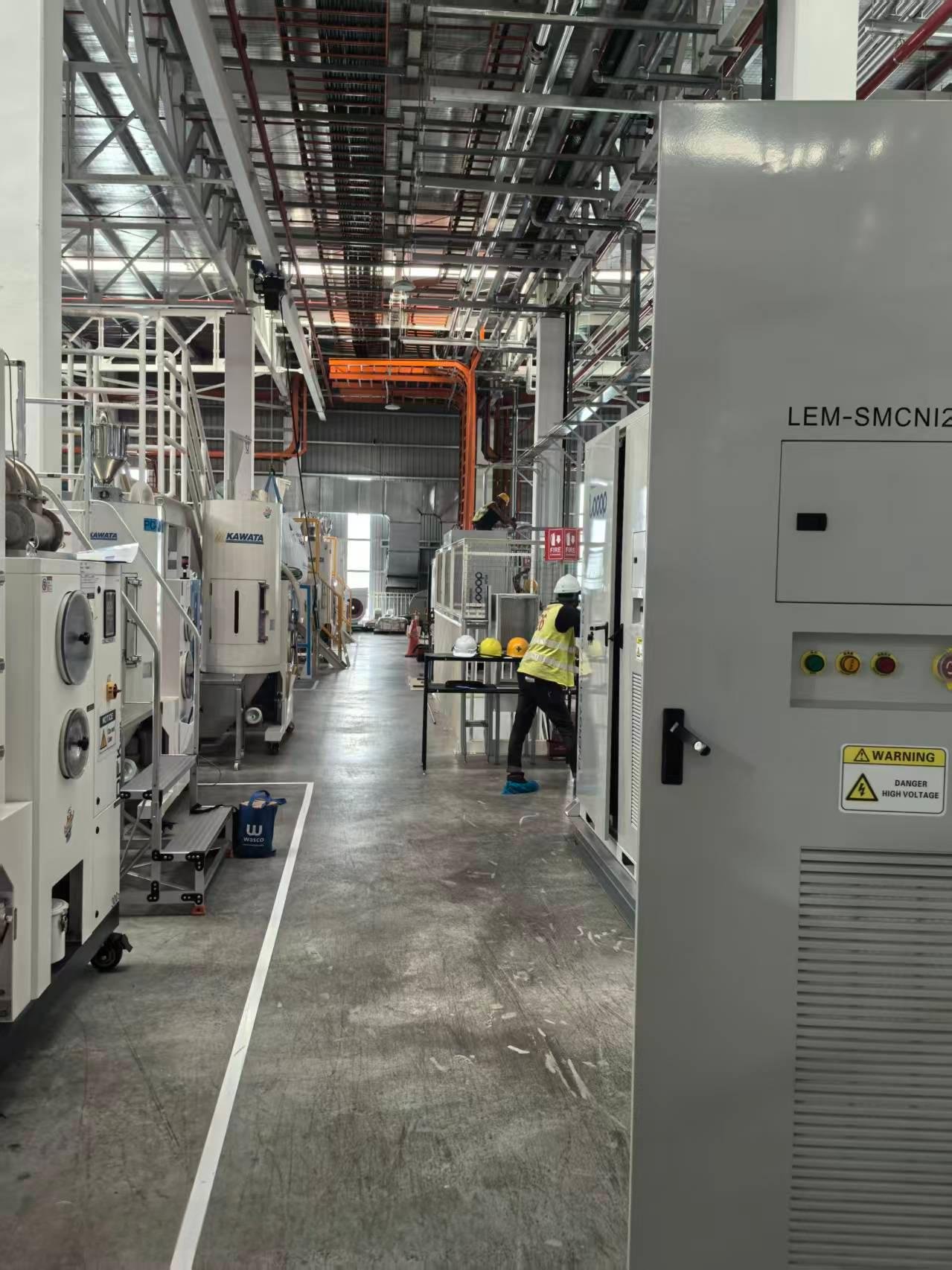
Specify Coolant, Materials and Service Controls
The supplier should identify the approved coolant product or specification, concentration, compatibility basis, expected service condition, sampling method, storage life and replacement or conditioning procedure. State whether water quality matters during mixing and whether field top-up is permitted. Prevent service teams from adding an available fluid that meets a broad description but conflicts with seals, metals, corrosion inhibitors or warranty requirements.
Material compatibility extends across tubing, hoses, quick connectors, seals, pumps, heat exchangers and reservoirs. Ask how production cleanliness, flushing and fill quality are controlled. Debris or incompatible materials can create a later blockage or seal problem even when the circuit passes its initial pressure test.
Define maintenance access and spill control. Technicians need safe isolation, depressurization, collection, refill and air-removal methods without exposing energized parts. Identify personal protective equipment from the current safety data and local workplace assessment, waste handling, environmental precautions and the tools or adapters supplied with the system.
Hold the required spares: approved coolant, seals, hoses or assemblies, sensors, pumps, filters and service connectors as applicable. Storage conditions and shelf life matter. A spare list that names only a complete cooling unit may leave the owner waiting for a minor but configuration-specific fitting.
Verify Thermal Controls, Not Only Leak Tightness
Pressure or vacuum testing can demonstrate circuit integrity at a stated condition, but it does not prove correct branch flow, sensor mapping, control logic, heat rejection or response to degradation. Acceptance should combine mechanical integrity with functional tests under controlled operating conditions. Record test medium, pressure, duration, temperature, acceptance criterion, instrument accuracy and any component isolated from the test.
Factory testing should verify pump commands and feedback, valve positions, pressure and level sensing, temperature channels, leak inputs, alarms, derating, shutdown and restart logic. Use the بروتوكول FAT لنظام تخزين طاقة البطاريات to preserve firmware, settings, simulated inputs and raw records. Identify functions that cannot be completed until the site heat-rejection equipment and real plant controller are connected.
Site testing should confirm fill and air removal, external connections, drainage, power supply, communications, alarm routing and the installed heat-rejection path. Compare supply and return temperatures and branch or module behavior during representative charge and discharge without claiming that one short run represents every season. Establish the initial clean and balanced baseline for future maintenance.
| الاختبار | What to record | سؤال القبول |
|---|---|---|
| Circuit integrity | Method, pressure, duration, temperature and isolated components | Does the tested boundary meet the approved criterion? |
| Sensor verification | Input value, displayed value, tag, alarm and timestamp | Are range, mapping and quality correct? |
| Leak-input simulation | Warning, derating, shutdown, notification and reset | Does each level execute the approved sequence? |
| Pump or flow failure | Detection time, fallback, temperatures and power limit | Is thermal risk controlled after the failure? |
| Loss of communications | Local behavior, retained alarms and remote visibility | Does the cabinet remain in a defined safe state? |
| Heat-rejection run | Ambient, power, flow, supply/return and module temperatures | Does installed performance match the declared envelope? |
| Shutdown and restart | Cause, isolation, inspection, clearances and sequence | Can the plant return without bypassing the fault? |
| Data export | Raw trends, events, units, configuration and file index | Can the owner reconstruct the test? |
Use Temperature Uniformity as Diagnostic Evidence
Temperature spread can help identify flow imbalance, blocked paths, sensor errors or changing heat transfer, but buyers should not invent a universal acceptable value. The supplier should declare the expected behavior for the offered design, measurement location, operating point and environmental condition. Record individual values and operating context instead of reporting only an average.
Trend pump commands, pressure or flow, coolant temperatures, cell or module temperatures, ambient condition and power together. A rising temperature difference can mean more than one thing. Maintenance should compare signals, inspect the affected circuit and follow the supplier’s diagnostic process before replacing battery modules or changing coolant settings.
The comparison in air- versus liquid-cooled BESS should be used as an architecture decision, not as a claim that one method eliminates maintenance. Liquid systems exchange air filters and airflow paths for a different set of components and service skills. Evaluate site conditions, duty, availability requirements and local support.
Plan the Response to a Suspected Leak
The alarm procedure should tell operators what they can do remotely, when to reduce power or stop the system, which area requires restricted access and who has authority to inspect. Preserve alarms and trends before reset. If coolant may have reached electrical parts, treat the condition as an electrical and chemical assessment, not a routine housekeeping spill.
Define isolation boundaries and the information required by the service team: cabinet and loop identity, alarm sequence, pressure and level, insulation status, temperatures, operating power, photographs where safe, recent maintenance and coolant additions. A remote recommendation to restart should be recorded with the evidence reviewed and the responsible person.
After repair, require inspection, approved component replacement, refill or coolant correction, air removal, integrity test, insulation checks where applicable, sensor verification, controlled thermal run and monitoring period. Record the root cause and screen similar units or production lots. A dry sensor after cleanup does not by itself prove readiness to energize.
Sandia’s energy storage safety program emphasizes evidence-based risk controls and current safety resources. Buyers should ask the supplier to connect component-level qualification and system controls to the actual field recovery decision.
Keep the Leak Record Connected to Warranty and Change Control
Record every coolant addition, sample, repair, component change, alarm and software or setpoint change against the affected equipment identity. Retain product and batch information for replaced hoses, seals, pumps and coolant. This history supports recurring-failure analysis and prevents a later warranty discussion from depending on technician memory.
Supplier firmware may change detection persistence, alarm classification, derating or restart logic. Screen each update against the accepted cause-and-effect and repeat affected tests. Mechanical modifications also require review: a changed hose route or fitting can alter drainage, sensor coverage and service access even if the coolant specification is unchanged.
Track recurring low-level alarms rather than closing each independently. The DOE-supported Sandia report on large-scale energy storage safety testing reinforces the value of evidence at relevant scale. Field fleets also need aggregation: repeated small leaks across similar units can indicate a design, material, assembly or service-process issue.
Put These Requirements into the RFQ
Distinguish Coolant Leakage from Condensation and External Water
Liquid in or below a cabinet may come from the cooling loop, condensation, rain entry, cleaning, drainage backup or another site system. The response should protect equipment first, then identify the source using fluid appearance and approved testing, coolant level or pressure, weather and HVAC history, drainage condition and the location of wet components. Do not assume every wet sensor proves a failed coolant connection.
Cold coolant lines and surfaces can fall below the local dew point if insulation, sealing or control is inadequate. Review pipe insulation, vapor barriers, penetrations and low-point drainage for the selected temperature and humidity envelope. The BESS condensation commissioning guide explains why dew-point conditions and operating transitions need direct verification rather than a general enclosure rating.
External water paths should be evaluated separately. Roof joints, doors, cable entries, fire-system piping and site drainage may direct water toward a coolant sensor or electrical compartment. A leak investigation should inspect the enclosure and recent work, not replace cooling components by default. Record whether the liquid contains the coolant tracer or expected chemistry where the approved procedure supports that test.
The cause changes the corrective work. Coolant loss may require circuit repair, refill, air removal and thermal verification; condensation may require insulation or control changes; rain entry may require enclosure and drainage correction. All routes may still require electrical inspection before restart. Keep the diagnosis, evidence and final repair linked to the same equipment event.
After correction, reproduce the condition that can safely be tested. A dry-day inspection cannot close a rain-entry route, and a static pressure test may not expose condensation during cold operation. Define follow-up monitoring and the environmental or operating trigger that completes acceptance when immediate reproduction is impractical.
| بند طلب عرض السعر | Required supplier content | دليل القبول |
|---|---|---|
| Cooling architecture | Diagram, boundaries, shared components and redundancy | Matches offered and installed configuration |
| Coolant specification | Product/chemistry, compatibility, sampling and service limits | Controlled manual and delivered fluid records |
| Leak analysis | Likely points, drainage, sensor coverage and electrical exposure | Design review and inspection |
| Cause-and-effect | Warnings, derating, shutdown, isolation, reset and loss modes | FAT/SAT functional tests |
| Thermal envelope | Ambient, power, temperature, flow and derating basis | Declared data and site baseline |
| الصيانة | Tasks, intervals, access, tools, spares and competence | Demonstration and O&M work orders |
| Leak recovery | Isolation, inspection, repair, refill, electrical checks and restart | Approved procedure and tabletop exercise |
| Data and records | Signals, retention, export, event identity and change history | Owner reconstructs an acceptance test |
| Warranty allocation | Authorized fluids, service parties, notification and recurring defects | Commercial schedule aligned with technical duties |
وزارة الطاقة الأمريكية (DOE) قائمة التحقق الشرائية لـ BESS provides a broader development framework. For the selected نظام تخزين طاقة تجاري وصناعي, request configuration-specific cooling documentation rather than assuming every cabinet with a similar power and energy rating uses the same architecture.
قرار المشتري
Accept a liquid-cooling design when the buyer can identify the circuit, understand the failure boundaries, verify sensor coverage, observe controlled responses, maintain the approved fluid and components, and execute a safe recovery without relying on undocumented supplier judgment.
Good leak detection is not one switch at the bottom of a cabinet. It is a chain of mechanical design, thermal evidence, electrical protection, diagnostic data, trained maintenance and controlled return to service. That chain should be priced, tested and handed over with the BESS.