
Off-grid sizing must balance energy across days, not just match one evening load. Tropical sites may have strong annual solar resource but still experience cloudy periods, high cooling demand and seasonal business loads.
A useful design begins with load tiers and an agreed operating strategy for low-solar days. Oversizing every component is expensive; ignoring weather and load priority creates service complaints.
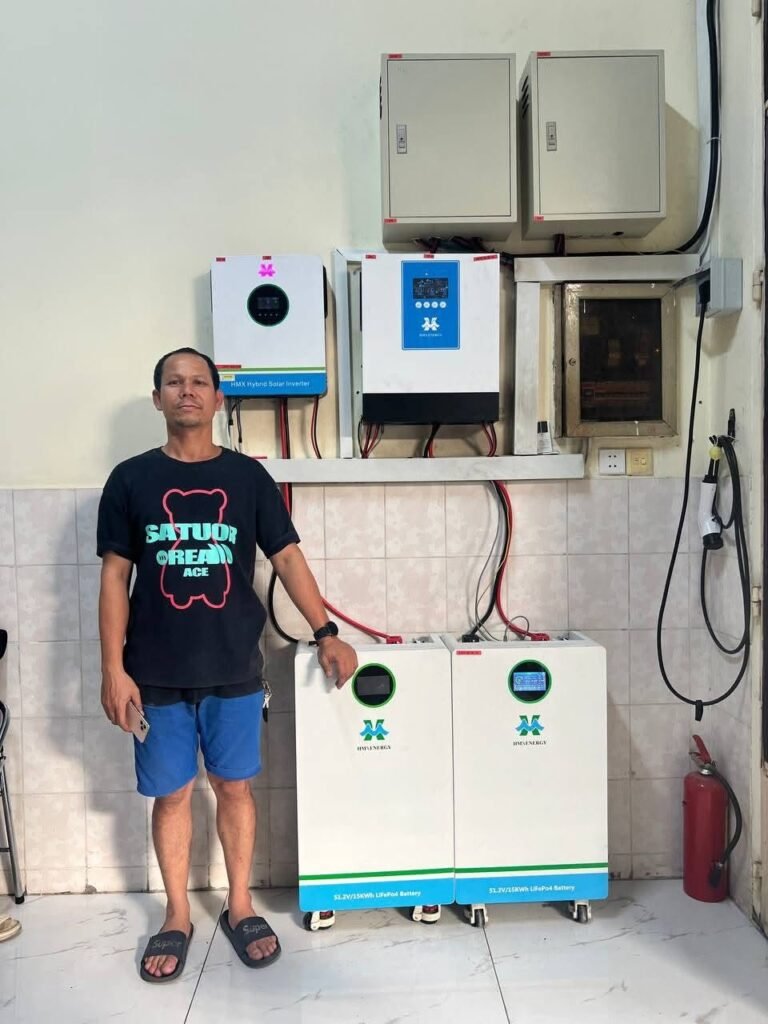
Per una revisione concreta a livello di apparecchiatura, applicare i controlli sopra al Cambodia 43kWh home-storage installation e richiedere conferma per le condizioni del sito e la modalità operativa previste.
Risposta diretta: Divide loads into critical, managed and non-backup groups. Then model daily energy, peak power, solar production, battery reserve and any generator contribution on the same hourly timeline.
Data di revisione della ricerca: 30 settembre 2026. Le affermazioni quantitative sono legate alla fonte collegata e dovrebbero essere ricontrollate se l'approvvigionamento avviene successivamente.
Per il contesto attuale di mercato e politiche, consultare Calcolatore PVWatts del NREL. PVWatts estimates grid-connected PV energy production from location and system inputs. It is useful for the PV side of a study, but it does not replace interval-load and outage analysis for battery sizing.
Buyer decision path
For Philippines, Cambodia, island and rural markets, the first task is to turn the intended service into measurable inputs and acceptance limits. The following table keeps the decision tied to evidence instead of a broad product label.
| Design input | Minimum record | Reason |
|---|---|---|
| Critical loads | Power, hours and start surge | Sets minimum service |
| Managed loads | Allowed operating windows | Creates dispatch flexibility |
| Solar resource | Hourly or monthly location data | Sizes PV and seasonal balance |
| Weather reserve | Consecutive low-solar scenario | Sets autonomy target |
| Generator plan | Start condition and minimum loading | Avoids deep discharge and poor fuel use |
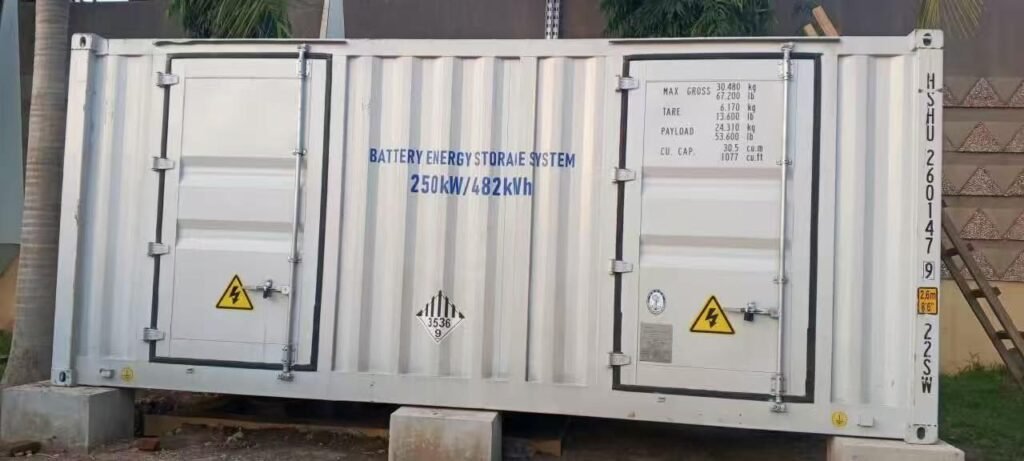
Le stesse domande su evidenza e accettazione possono essere utilizzate quando si valuta la gamma di Philippines solar-storage project; le informazioni di catalogo devono essere riconciliate con il preventivo controllato e i disegni.
Il confronto tecnico dovrebbe anche essere verificato rispetto all' Philippines DOE 2026 own-use solar update. The Philippines DOE links simplified own-use solar rules with national renewable-power targets of 35% by 2030 and 50% by 2040, while retaining technical safeguards.
Project controls
L'offerta commerciale dovrebbe indicare le sue ipotesi, esclusioni e il confine di misurazione. Gli acquirenti possono quindi confrontare i sistemi sulla stessa base e mantenere le successive modifiche progettuali sotto controllo documentale.
| Operating state | Control priority | Customer rule |
|---|---|---|
| Normal solar day | Serve loads, charge battery, limit curtailment | Run flexible loads in solar hours |
| Evening | Serve selected loads from battery | Avoid unnecessary high-power loads |
| Low state of charge | Shed managed loads or start generator | Preserve critical reserve |
| Extended cloud | Coordinate PV, battery and generator | Use agreed fuel-versus-autonomy plan |
| Maintenance | Provide temporary supply or planned outage | Communicate service window |
Punti d'azione per il team di progetto
- Use separate weekday, weekend and seasonal load profiles where the business changes.
- Check motor and compressor starting power, not only daily kWh.
- Define generator auto-start, warm-up, loading and stop rules.
- Train the customer on load priorities and alarm response.
Per il lavoro di specifica e accettazione, IEA Southeast Asia Energy Outlook 2026 provides an independent reference. IEA reports that Southeast Asian energy investment exceeded USD 100 billion in 2025, while grid and storage investment still needs to catch up with generation growth.
Off-grid pain points hidden by daily averages
These are the practical objections and failure modes most likely to stop approval, delay commissioning or create an avoidable service call for Philippines, Cambodia, island and rural markets.
- Cloudy-day sequences are replaced with one average solar day.
- Load growth and customer behavior erode the planned reserve.
- Generator start, minimum run and battery recharge logic are not tested together.
Domande che l'acquirente dovrebbe porre prima dell'approvazione
- Which loads can be shed before the battery reaches its minimum reserve?
- How many low-solar days must the system ride through?
- What manual recovery path remains if automatic generator start fails?
Design around the worst energy sequence the owner will accept
Start with a time-based load model and classify essential, deferrable and shed loads. Daily kWh alone cannot show the evening peak, motor starts or the period when PV and demand do not overlap. Interview the operator about seasonal business activity and expected growth, then state which future loads are inside or outside the design.
Un riferimento HMX correlato è la home battery storage range. Utilizzatela per impostare la prossima discussione con il fornitore, poi registrate le deviazioni specifiche del progetto prima di ordinare.
Use a location-specific solar model, but test several consecutive low-production days rather than only an annual average. Include PV temperature effects, inverter limits, battery charge power and system losses. If a generator is available, model start threshold, minimum run time, loading range, fuel constraints and the energy needed to restore reserve while serving the site.
Prima del congelamento del progetto, il team di progetto dovrebbe riesaminare l'ambito della IEC 63056:2020. La IEC 63056 aggiunge requisiti di sicurezza per celle e batterie secondarie al litio utilizzate nei sistemi di accumulo di energia elettrica fino a 1.500 V CC nominali.
Define what the controls do when energy becomes scarce. The sequence may shed flexible loads, start a generator, lower an operating target or preserve energy for controls and communications. Test failed generator start and low state of charge during commissioning. The operator should receive a simple daily energy budget and escalation procedure.
Come applicarlo su un progetto in corso
- Build hourly load profiles for normal, growth and critical-operation cases.
- Model low-solar sequences with realistic conversion and auxiliary losses.
- Coordinate battery reserve, load shedding and generator operation.
- Test low-energy states and train the operator on recovery.
Mantenere il calcolo riproducibile
Salvare il file grezzo del contatore o del carico, il registro di pulizia, la tariffa o le regole operative, la versione del modello e ogni assunzione che converte i dati del sito in potenza ed energia. Il proprietario dovrebbe essere in grado di rieseguire il caso base quando produzione, tariffe, carichi o politica di riserva cambiano, invece di trattare il risultato originale come permanente.
Gli acquirenti che definiscono il perimetro iniziale possono confrontare questi requisiti con il sistema raffreddato ad aria da residential solar procurement guide. La pagina è un riferimento di prodotto o di progetto; l'idoneità finale richiede comunque una specifica di progetto scritta.
- Dati time-series grezzi e puliti con fuso orario e intervallo documentati.
- Scenari base, di crescita e di stress con input di perdite, riserva e degrado.
- Setpoint di controllo selezionati e motivo per cui le alternative scartate non sono state scelte.
- Una traccia di messa in servizio che collega il modello al comportamento misurato sul sito.
Alla consegna, fornire al proprietario gli input del modello e un trigger di aggiornamento. Una variazione sostanziale di tariffa, carico, produzione, meteo o riserva dovrebbe portare a una riesecuzione controllata, invece di una promessa non supportata che il risparmio o il runtime originali valgano ancora.
Field Note
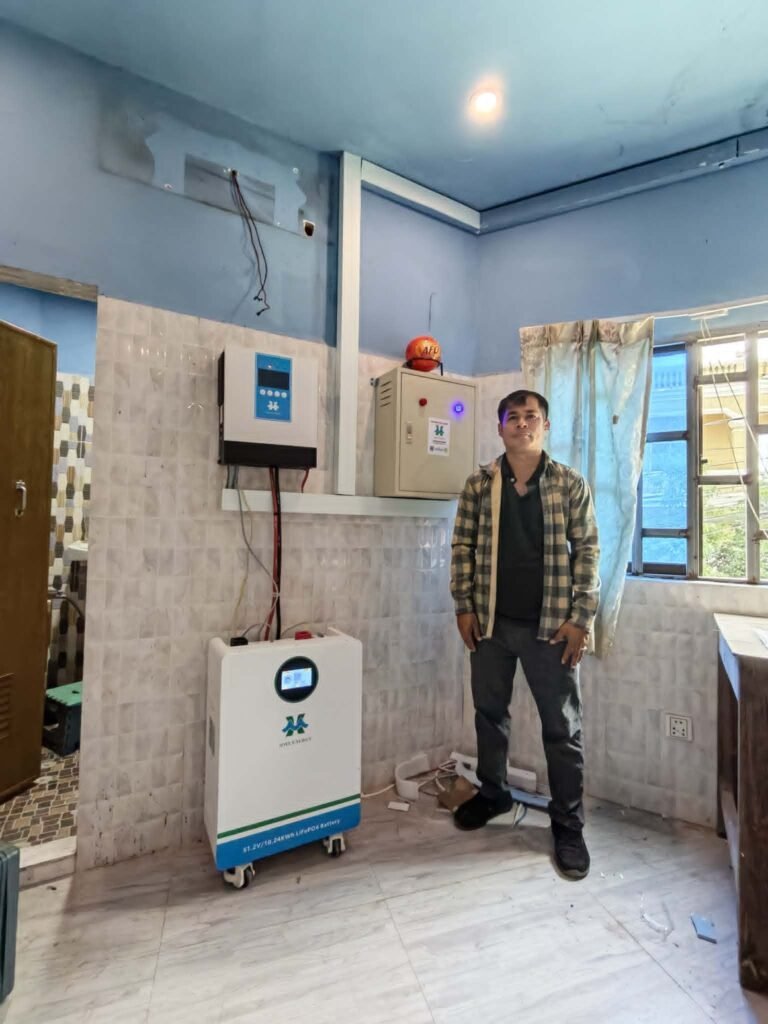
The best field design is one the local team can operate and service. Include training, spares, labels and a clear escalation path in the supply scope.