
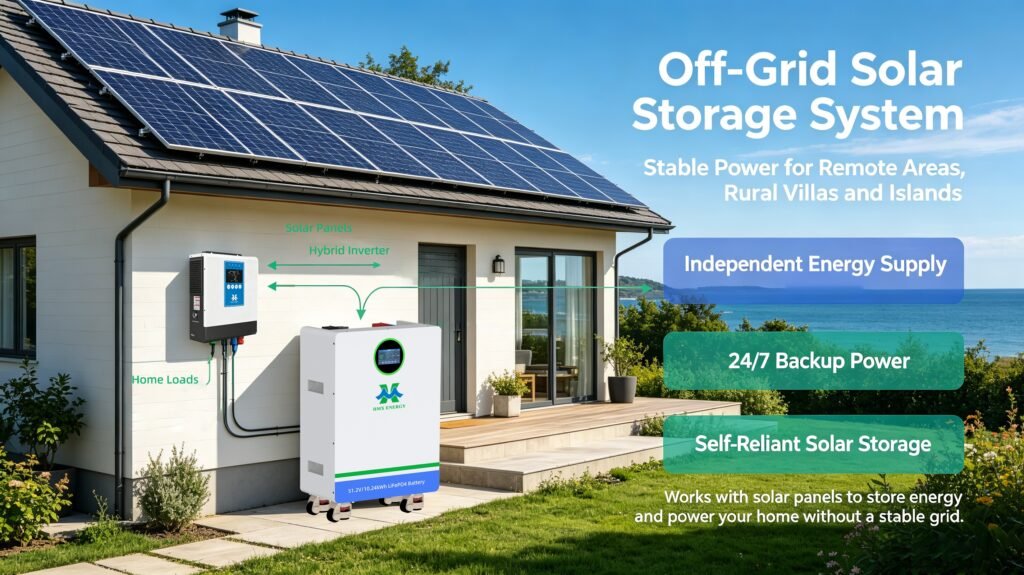
Wall-mounted and floor-standing batteries can use similar electrical building blocks, yet they create different site and service requirements. The choice is not cosmetic. It affects structural support, working clearance, cable entry, lifting, water exposure and replacement access.
A distributor should therefore qualify the installation method along with capacity and inverter compatibility.
Uma referência HMX relacionada é a wall-mounted home batteries. Utilize-a para enquadrar a próxima discussão com fornecedores e, em seguida, registe os desvios específicos do projeto antes de encomendar.
Resposta direta: Select the mounting method after a site survey. Record wall material or floor condition, clearances, route to the inverter, expected water level, ventilation and the method for moving the unit safely.
Data de revisão da investigação: 30 de setembro de 2026. As afirmações quantitativas estão vinculadas à fonte indicada e devem ser reverificadas se a aquisição ocorrer mais tarde.
Para a revisão final de evidências, utilizar Âmbito da IEC 63056:2020 como verificação de fonte. A IEC 63056 acrescenta requisitos de segurança para células e baterias secundárias de lítio utilizadas em sistemas de armazenamento de energia elétrica até 1.500 V DC nominal.
Definir o limite
For Solar distributors, installers and residential project firms, the first task is to turn the intended service into measurable inputs and acceptance limits. The following table keeps the decision tied to evidence instead of a broad product label.
| Factor | Montagem em Parede | Floor-standing |
|---|---|---|
| Support | Depends on wall structure and approved fixings | Depends on level, load-bearing floor |
| Handling | Lifting and alignment at height | Floor movement and anti-tip measures |
| Cable route | Often short and visible near inverter | May allow lower cable entry |
| Flood exposure | Can place battery above floor level | Requires suitable plinth or location where needed |
| Service access | Front/side clearance plus removal path | Access plus space to move the unit |
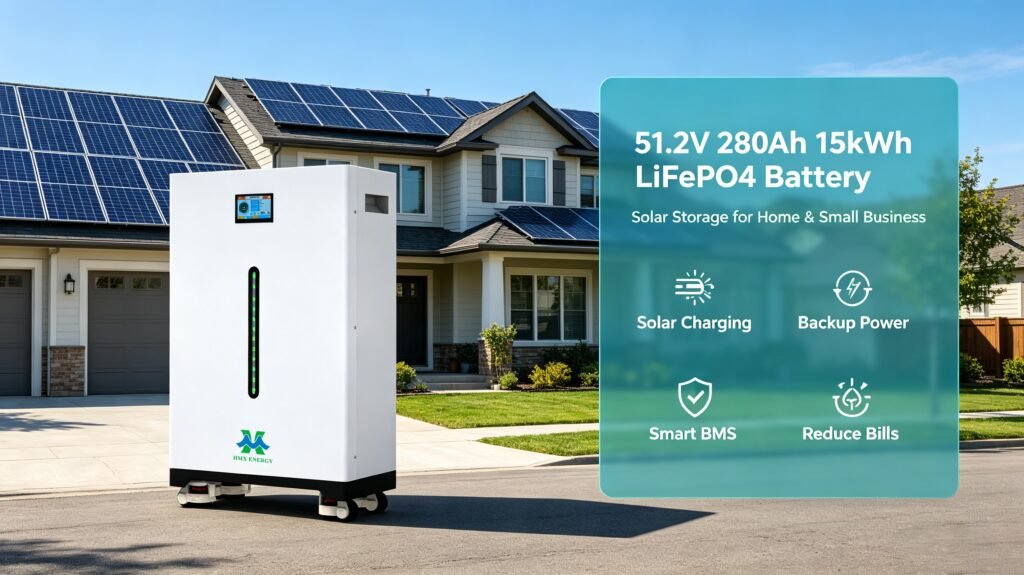
Os compradores que definem o âmbito inicial podem comparar estes requisitos com a floor-standing home batteries. A página é uma referência de produto ou projeto; a adequação final continua a exigir uma especificação de projeto por escrito.
Para contexto atual de mercado e políticas, revise o escopo da IEC 62619:2022. A IEC 62619:2022 abrange requisitos de segurança e testes para células e baterias secundárias de lítio usadas em aplicações industriais, incluindo usos estacionários e de tração.
Installation details that decide the format
These are the practical objections and failure modes most likely to stop approval, delay commissioning or create an avoidable service call for Solar distributors, installers and residential project firms.
- Wall construction and anchor loads are assumed rather than verified.
- A floor unit is placed in a flood-prone or obstructed service area.
- Cable bend radius and the removal path are omitted from the layout.
Perguntas que o comprador deve fazer antes da aprovação
- Can technicians isolate and remove the battery safely?
- Does the location meet clearance, heat and water-exposure limits?
- Who verifies anchors, floor loading and protected cable routes?
Testes de aceitação e falha
A oferta comercial deve declarar suas premissas, exclusões e limite de medição. Os compradores podem então comparar sistemas na mesma base e manter alterações posteriores de design sob controle de documentos.
| Survey item | Record | Do not assume |
|---|---|---|
| Wall or floor | Material, condition and loading | That any masonry is suitable |
| Clearance | Manufacturer minimums and local rules | That a tight closet is acceptable |
| Temperature | Daily maximum at battery position | That room average equals battery temperature |
| Moisture | Leaks, condensation and flood risk | That indoor means dry |
| Access | Door width, stairs and lifting route | That installers can move the unit safely |
Pontos de ação para a equipa do projeto
- Use only the mounting hardware and orientation approved for the model.
- Keep DC protection and cable sizing within the system design.
- Plan replacement access before cabinets and furniture are fixed.
- Photograph the completed installation and label isolation points.
A comparação técnica também deve ser verificada em relação à Calculadora PVWatts do NREL. PVWatts estimates grid-connected PV energy production from location and system inputs. It is useful for the PV side of a study, but it does not replace interval-load and outage analysis for battery sizing.
Make installation and service access part of product selection
A wall-mounted unit transfers static and service loads into the wall and anchors. The installer should identify the wall construction, approved fasteners, mounting surface and cable forces rather than relying on appearance. A floor-standing unit needs a level, load-capable base and protection from standing water, vehicle impact and blocked ventilation.
Para uma revisão concreta em nível de equipamento, aplique as verificações acima à 10kWh wall-mounted LiFePO4 battery e solicite confirmação para as condições do local e modo de operação pretendidos.
Draw the working clearance, isolation point, cable bend radius and removal path. Service may require opening covers, reaching connectors or moving the complete battery, so the installed position must support those tasks without dismantling unrelated equipment. Keep escape routes, electrical panels and household storage areas clear.
Para trabalho de especificação e aceitação, UNECE Manual of Tests and Criteria, Revision 8 provides an independent reference. UNECE publishes the current Manual of Tests and Criteria and its 2025 amendment, including changes affecting subsection 38.3 for lithium cells and batteries.
Environmental suitability remains separate from mounting style. Confirm temperature range, direct sun, humidity, dust, corrosive exposure and water risk against the named product documentation. Photograph anchors, cable protection, labels and final clearances, then include them with commissioning measurements in the installation record.
Da análise a uma decisão auditável
- Survey structure, floor level, water exposure and working clearances.
- Approve the mounting and cable route before delivery.
- Verify isolation, ventilation and a safe battery removal path.
- Record anchors, labels, settings and commissioning results at handover.
Document the installed configuration
Compatibility and safety depend on the equipment as installed, not only on a catalogue selection. Preserve model and firmware identifiers, wiring and protection drawings, physical clearances, settings and test conditions. Later service work should begin from this baseline and record every approved change.
As mesmas evidências e questões de aceitação podem ser usadas ao avaliar o 16kWh floor-standing LiFePO4 battery; as informações do catálogo devem ser reconciliadas com a cotação controlada e os desenhos.
- Named equipment, firmware, accessories, cables and communication settings.
- As-built electrical and physical drawings with isolation points identified.
- Commissioning results for normal operation, limits and selected failure states.
- Backups, photographs, change log and a technician recovery procedure.
After service or firmware work, compare the returned system with the approved baseline and repeat affected tests. This makes later troubleshooting faster and prevents an undocumented field change from invalidating a compatibility or safety conclusion.
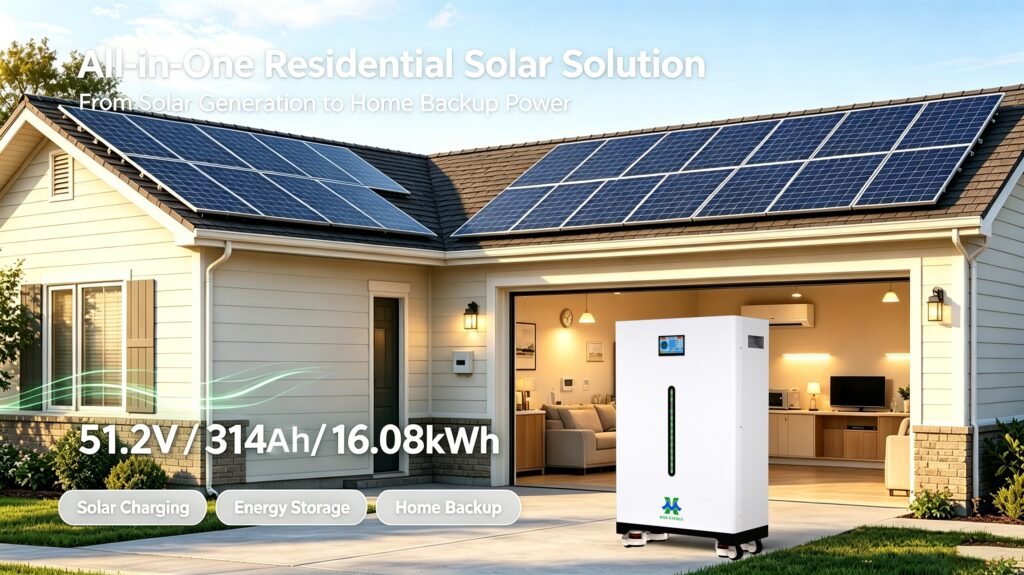
Regra de Decisão
Escolha a opção que atenda às condições do local, ao objetivo de serviço e ao modelo de manutenção com a evidência de teste mais clara. Uma placa de identificação maior ou uma alegação de marketing mais ampla não substitui a adequação.