
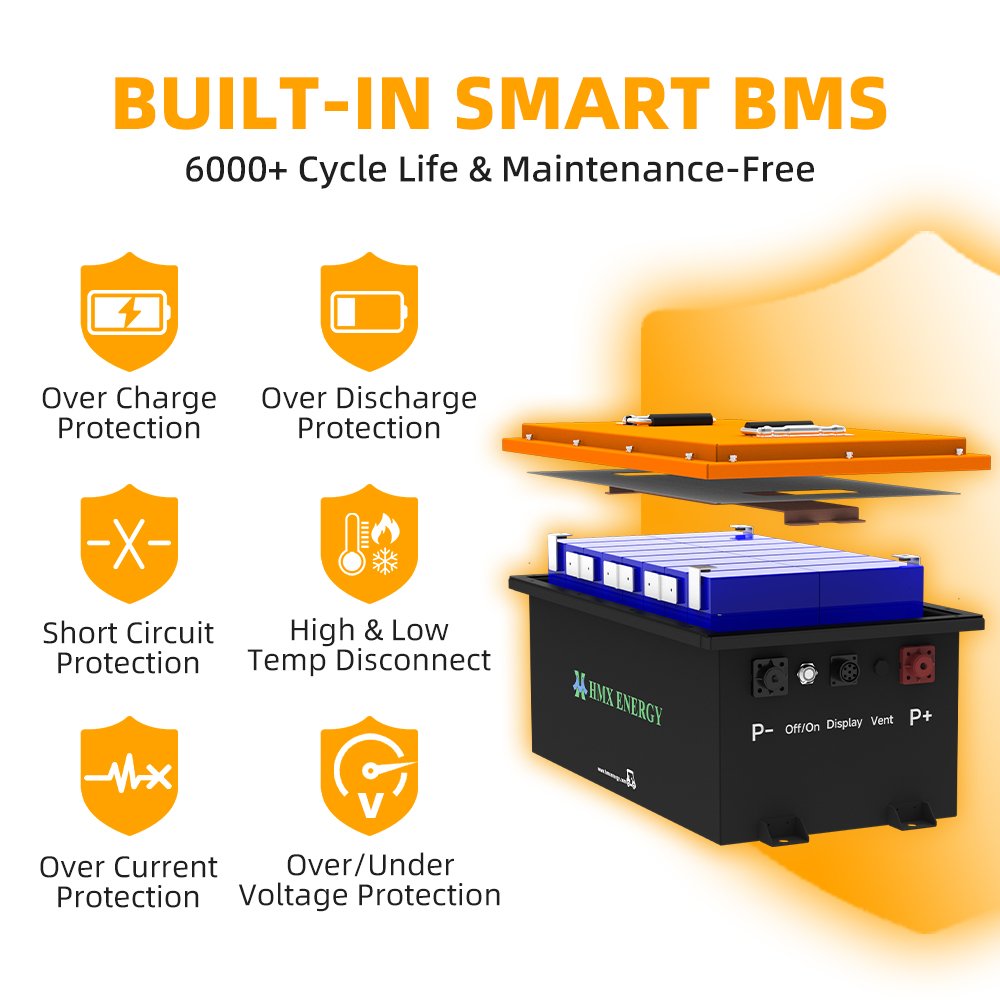
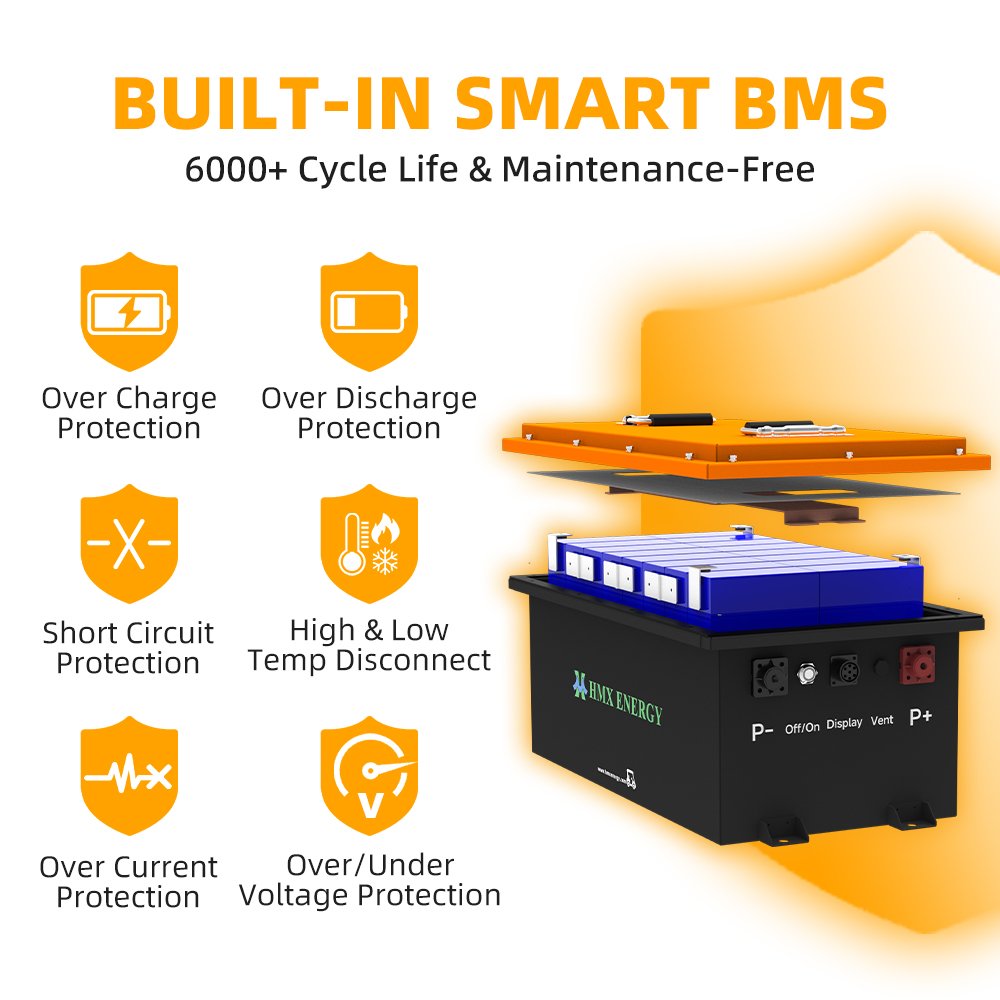
The BMS is not just a Bluetooth display. It measures cells and pack conditions, applies current and temperature limits, controls protection devices and records faults. Fleet reliability depends on how those functions match real vehicle loads and service practices.
A procurement sheet should distinguish continuous current, time-limited peak current and instantaneous short-circuit protection.
For a concrete equipment-level review, apply the checks above to the golf cart lithium battery range and request confirmation for the intended site conditions and operating mode.
Direct answer: Ask for limit curves and trip delays, not one “maximum amps” value. Compare them with measured acceleration, hill-climb, accessory and regenerative-braking currents.
Research review date: 30 September 2026. Quantitative statements are tied to the linked source and should be rechecked if procurement occurs later.
For specification and acceptance work, IEC 62619:2022 scope provides an independent reference. IEC 62619:2022 covers safety requirements and tests for secondary lithium cells and batteries used in industrial applications, including stationary and motive uses.
Start with controller current and route duty
For Golf fleets, distributors and OEM sourcing teams, the first task is to turn the intended service into measurable inputs and acceptance limits. The following table keeps the decision tied to evidence instead of a broad product label.
| BMS field | Buyer request | Fleet impact |
|---|---|---|
| Continuous discharge | Current at stated temperature | Sustained driving and hills |
| Peak discharge | Current and allowed seconds | Acceleration and short overloads |
| Charge limit | Current and temperature window | Charger and regenerative braking |
| Balancing | Method and operating condition | Cell consistency over service life |
| Fault logging | Stored events and access method | Faster diagnosis |
The same evidence and acceptance questions can be used when assessing HMX’s 36V 105Ah golf cart battery; catalogue information should be reconciled with the controlled quotation and drawings.
Before design freeze, the project team should review UNECE Manual of Tests and Criteria, Revision 8. UNECE publishes the current Manual of Tests and Criteria and its 2025 amendment, including changes affecting subsection 38.3 for lithium cells and batteries.
Specify continuous, peak and fault behavior
The commercial offer should state its assumptions, exclusions and measurement boundary. Buyers can then compare systems on the same basis and keep later design changes under document control.
| Protection event | Expected response | Service question |
|---|---|---|
| Cell undervoltage | Limit or disconnect before damage | How is recovery performed? |
| Cell overvoltage | Stop charge and report alarm | Does charger communication respond? |
| High temperature | Derate or disconnect by threshold | Where are sensors placed? |
| Contactor fault | Detect abnormal open/closed state | Is there a pre-charge circuit? |
| Communication loss | Safe local operation or controlled stop | What remains available offline? |
Action points for the project team
- Require fault codes and diagnostic instructions for service partners.
- Confirm Bluetooth or app access does not replace core local protection.
- Stock approved contactors, fuses and communication cables where service volume justifies it.
- Train technicians to read logs before clearing a fault.
For the final evidence review, use IEC 60529 IP Code as a source check. IEC 60529 is the reference for enclosure ingress-protection classifications. An IP rating describes tested enclosure protection; it does not by itself approve an installation site.
Why an amp rating alone is not enough
These are the practical objections and failure modes most likely to stop approval, delay commissioning or create an avoidable service call for Golf fleets, distributors and OEM sourcing teams.
- Continuous, short-duration and regenerative limits are mixed in one sales figure.
- A BMS trip on a slope leaves no defined recovery procedure.
- Logs and fault codes are unavailable to local technicians.
Questions the buyer should ask before approval
- What current-time curve supports hill and acceleration loads?
- How does the BMS handle charge below or above its temperature limits?
- Which diagnostic data can a distributor retrieve?
Specify current as a curve with conditions
Ask for continuous discharge, time-limited peak discharge, charge and regenerative-current limits with duration, temperature and state-of-charge conditions. A single maximum-amp figure cannot show whether the BMS will support repeated hill climbs, rapid acceleration or regeneration near full charge.
A related HMX reference is the 48V 105Ah golf cart battery. Use it to frame the next supplier discussion, then record project-specific deviations before ordering.
Review protection thresholds and delays for overcurrent, short circuit, high and low voltage, and high and low temperature. The values must coordinate with the cells, cables, contactor, controller and charger. Define whether a trip resets automatically, requires charger connection, uses a service tool or needs physical access.
For current market and policy context, review U.S. DOE BESS procurement checklist. The U.S. Department of Energy checklist separates early project development, technical specifications and interconnection work for commercial lithium-ion systems.
For fleets, diagnostic access is a commercial requirement. Specify event history, data available to technicians, user permissions, mobile or wired tools and support for log interpretation. Keep serial-number, firmware, charger and fault history together so recurring vehicle issues can be separated from actual battery defects.
Project workflow
- Obtain current-duration curves and environmental conditions.
- Coordinate BMS protections with vehicle and charger limits.
- Test high-load, regenerative and temperature-restricted cases.
- Define diagnostic, reset and escalation procedures for technicians.
Create a fleet fitment and service record
Record the vehicle model, controller, charger, route duty, battery serial number, firmware and installation kit for every approved combination. A fleet record makes repeat orders safer and helps technicians separate vehicle wiring, charger or usage problems from battery protection events.
Buyers defining the initial scope can compare these requirements with HMX’s 24V 200Ah LiFePO4 battery. The page is a product or project reference; final suitability still requires a written project specification.
- Vehicle and component identification with voltage and current limits.
- Tray, retention, connector, cable and charger configuration.
- Loaded route-test data, alarms and remaining state of charge.
- Technician diagnostics, reset procedure, parts list and escalation contact.
Use the record to approve repeat fitment by exact combination, not by vehicle voltage alone. When a component changes, rerun the affected checks before applying the new combination across the fleet.
Fleet Service Note
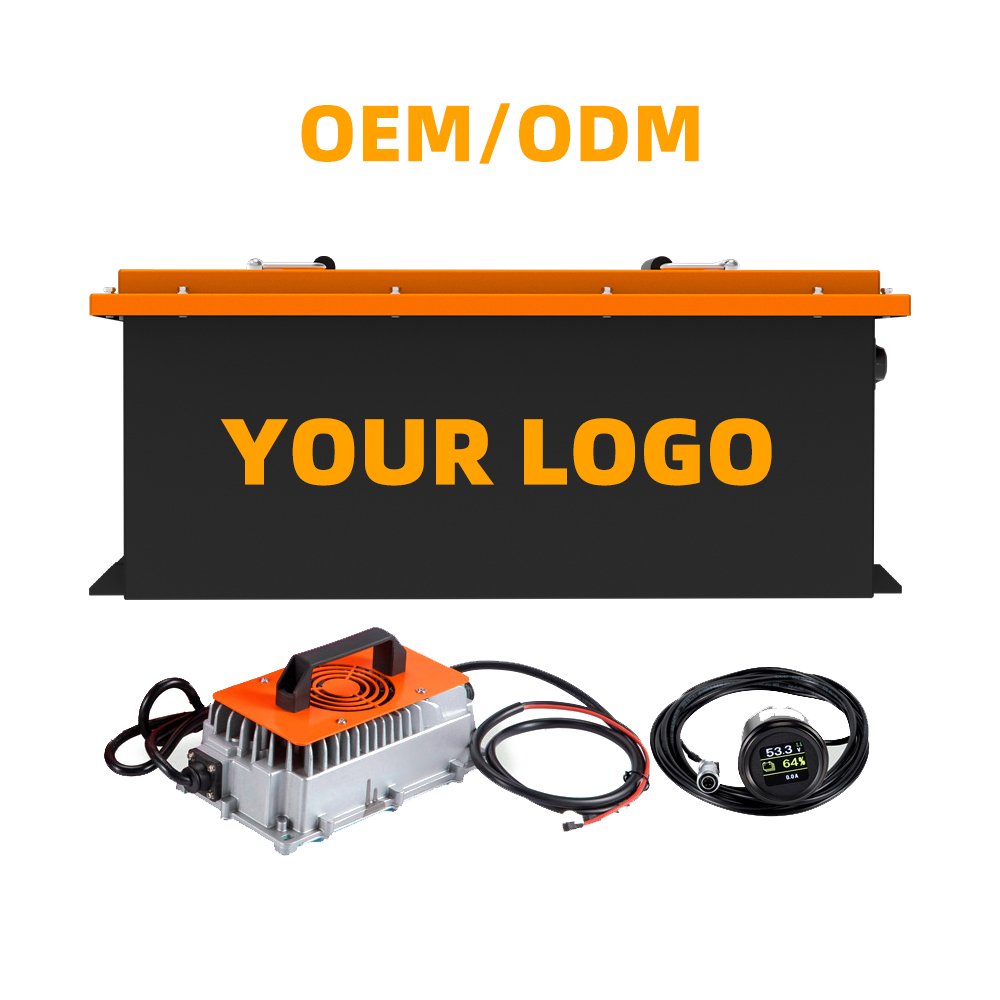
Fleet value depends on fast diagnosis and controlled replacement. Keep serial-number history, fault logs, charger records and technician training together.