
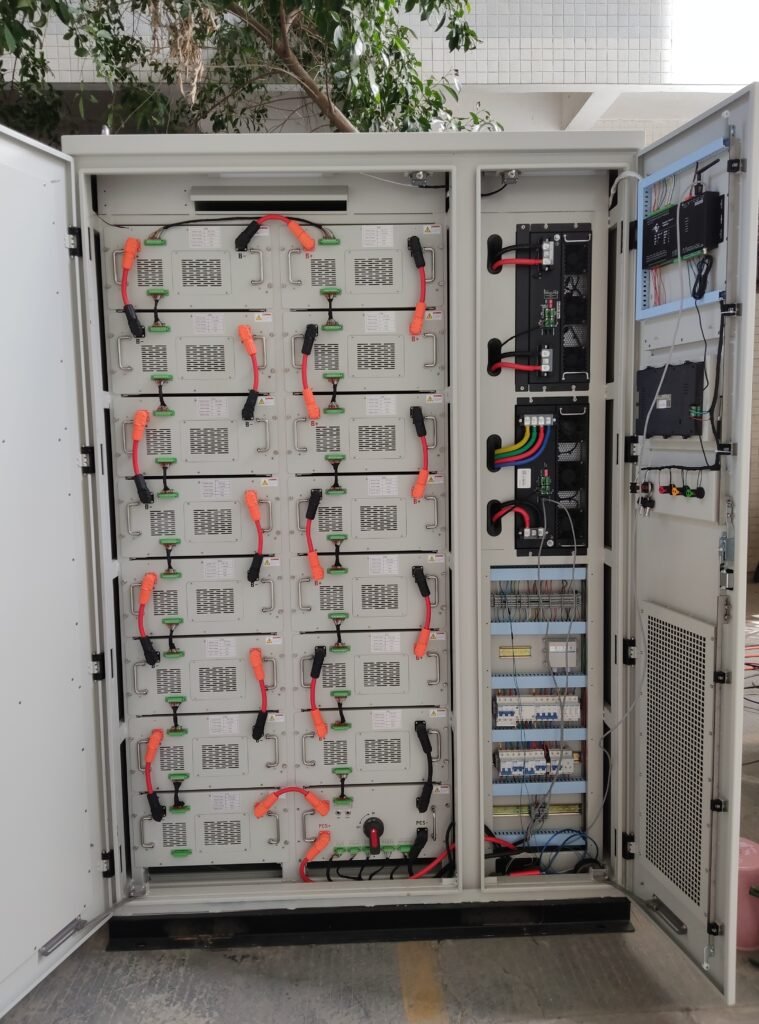
An IP rating is not a complete coastal BESS corrosion-protection specification. It does not tell a buyer which coating system protects cut edges, whether fasteners and adjoining metals are suitable together, or what happens when field service damages the finish. Those details can determine whether an outdoor cabinet remains serviceable at a salt-exposed site.
For an island resort, coastal industrial plant or port facility, start with a documented exposure assessment and then request evidence for the actual enclosure assembly. “Marine grade” without identified materials, test scope and maintenance conditions is too vague to compare across suppliers. This article sets out a procurement review, not a claim that any cabinet is suitable for every coastal location.
Describe exposure rather than relying on distance alone
Record the proposed location, shelter, prevailing exposure, splash risk, nearby process emissions and access for inspection. A site photograph and location plan are useful inputs, but they do not establish a universal corrosivity category. The responsible designer should decide what further environmental information is needed.
ISO 12944-2:2017 addresses environmental classification for protective painting of steel structures. ISO states that the edition was confirmed in 2023 and remains current. Its classification scope is useful for a coating discussion; it is not a complete battery-system qualification scheme.
Do not assume that a category assigned to a steel enclosure automatically describes the vulnerability of connectors, electronics or a cooling circuit. Build the requirement around the materials and interfaces present in the offered assembly. The exposure assessment should also distinguish normal weather from flooding or direct seawater contact, which need separate consideration.
The vulnerable details are not all on the front panel
| Location or interface | Procurement question | Documented evidence |
|---|---|---|
| Painted panels and cut edges | Does protection cover finished edges and field penetrations? | Coating specification and approved repair procedure |
| Fasteners, hinges and latches | Are material selections compatible with adjoining parts? | Component material references and assembly details |
| Cable glands and connectors | What changes after installation and service access? | Approved entry system and as-installed inspection records |
| Cooling-unit interfaces | Are exposed heat exchangers and mounting interfaces included? | Environment limits for the actual cooling configuration |
| Plinth and drainage areas | Can water and contamination collect where inspection is difficult? | Installation details and maintenance access plan |
A certificate for painted sheet metal leaves these assembly questions open. Likewise, changing a hinge or a cable-entry component after testing can create a configuration that is not represented by the original evidence. Request a controlled bill of materials and a method for assessing supplier substitutions.
Rittal’s outdoor enclosure guidance distinguishes ingress protection from additional weather, corrosion and climate-control considerations. That distinction is a useful way to challenge a quotation that lists only an IP number under environmental suitability.
When reviewing commercial and industrial storage systems, ask the supplier to confirm the proposed environment in writing. Model family descriptions are not a substitute for the limits and options applicable to the specific configuration being ordered.
Read a salt-test report as a defined experiment
IEC 60068-2-52:2017 addresses cyclic salt-mist testing of components or equipment intended for salt-laden atmospheres. To assess a report, identify the specimen, method, conditioning, inspection criteria and results. A test-method reference alone does not show that the enclosure passed a relevant requirement.
Do not turn a laboratory exposure duration into a field-service-life claim. A report can support a specified assessment without establishing how many years a complete battery system will last at a particular coast. Exposure, materials, maintenance and installed details still matter.
ISO 9227:2022 defines salt-spray apparatus and procedures; ISO lists a 2024 amendment. Its scope does not prescribe a product-specific exposure period or result interpretation, and the method is not intended to predict long-term corrosion resistance. Buyers must therefore agree the product requirement rather than inventing a universal passing duration.
| Evidence | Useful conclusion | Conclusion to avoid |
|---|---|---|
| Defined coating test | Performance of the identified specimen against stated criteria | Every enclosure detail has identical protection |
| Assembly environmental test | Results for the documented configuration and method | Any later component substitution is covered |
| Site environmental assessment | Requirements relevant to the installation location | A generic coastal-distance rule applies everywhere |
| Field inspection history | Observed condition under recorded service and exposure | No future inspection or coating repair is needed |
Keep corrosion, condensation and cooling as separate reviews
These risks interact, but the evidence is not interchangeable. A coating report does not establish internal moisture control. A sealed cabinet still needs an appropriate thermal design, and a different cooling architecture may introduce different exposed interfaces or maintenance tasks.
Use the air-cooled and liquid-cooled BESS comparison to review the system architecture, then ask for the environmental limits of the actual external components. Do not infer coastal suitability merely because the battery modules use liquid cooling.
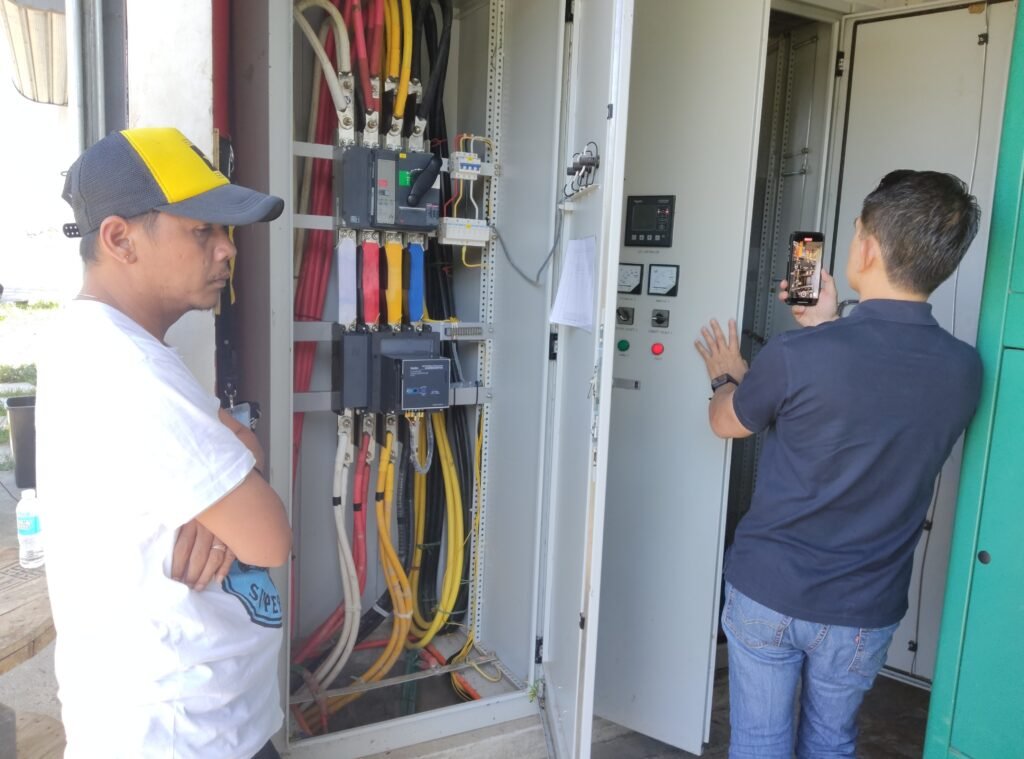
Installation workmanship deserves its own hold point. Inspect coating damage from transport, approved cable entries, water paths and inaccessible areas before acceptance. Any repair should follow the supplier’s documented method and be recorded, rather than concealed by an undocumented cosmetic touch-up.
Make the warranty compatible with the maintenance plan
The purchase contract should identify any coastal exclusions, required inspections, permitted cleaning methods and obligations after damage is found. Establish who supplies replacement seals and coating-repair materials, how a condition is reported, and who determines whether the cabinet can remain in operation.
The commercial BESS procurement checklist provides the wider purchase framework. Add the exposure assessment, environmental evidence register and maintenance obligations as named contract deliverables, not informal emails left outside the final order.
The buying decision should end with three clear records: what environment the supplier accepted, what configuration the evidence covers, and what the owner must do to preserve its condition. Without those records, even an impressive laboratory report can leave the most expensive project questions unanswered.