
A distributor pairs a large inverter with a battery advertised by its energy capacity, then finds that the system cannot sustain the customer’s load. The mistake is comparing unlike ratings. Battery kilowatt-hours describe stored energy under stated conditions; inverter kilowatts describe power. Neither alone establishes the current the battery bank can deliver through the complete DC path.
For a 48 V battery inverter current review, obtain the inverter’s battery-input requirements and the pack’s continuous and transient limits over the intended operating range. Then check the cables, terminals, protection and approved parallel arrangement. Do not assume that matching the nominal voltage makes the combination suitable.
What a battery product summary tells you, and what it leaves open
The public listing for the HMX 51.2 V 200 Ah wall-mounted battery identifies nominal voltage, capacity and marketed energy. Those fields help identify the product. They do not, by themselves, establish its permissible continuous discharge current or the power available to a particular inverter.
| Field | Value listed by HMX | Meaning for an inverter review |
|---|---|---|
| Nominal voltage | 51.2 V DC | Product identification, not minimum operating voltage |
| Nominal capacity | 200 Ah | Charge capacity, not a continuous current rating |
| Rated energy in the listing | 10 kWh | Marketed energy, not a guaranteed AC output |
| Continuous discharge-current rating | Not stated in the public technical summary reviewed | Request the approved model data sheet before sizing |
These are the manufacturer’s listed fields, not independent test results. Request the complete data sheet and resolve any difference between product-summary wording and the delivered model’s documentation. In particular, do not derive a current rating from an ampere-hour capacity by assuming a discharge rate the supplier has not specified.
Review the lowest relevant operating voltage
The electrical relationship is straightforward: DC input power equals input voltage multiplied by input current. For the same DC power demand, a lower input voltage requires more current. AC output power is not identical to DC input power because the inverter and associated equipment have losses.
That does not justify selecting a convenient efficiency percentage and presenting the resulting current as a product specification. Use the manufacturer’s battery-input current data, operating voltage limits and relevant efficiency information. If the evidence is incomplete, leave the sizing decision open rather than publishing a precise-looking current estimate.
Victron’s DC wiring guide discusses the effect of system voltage and cable losses. It is useful engineering background, not a substitute for a local cable design or another manufacturer’s terminal requirements. Ask the designer to check the voltage delivered at the inverter input, not only the voltage reported inside the battery.
The BMS limit can change during operation
Request the permitted charge and discharge limits as functions of the conditions that matter to the pack, including temperature, state of charge and any cell-related restrictions. Distinguish a normal operating limit from a protection trip threshold. A system designed to hit the protection threshold repeatedly has not demonstrated acceptable continuous duty.
Texas Instruments’ battery-protector overview illustrates the range of monitoring and protection functions available to battery designers. The presence of a BMS is therefore not a complete performance specification. The implemented device, firmware and pack design determine which functions and operating limits apply.
Ask how the inverter receives those limits, how it interprets their units and what happens when communication is unavailable. A CAN connector on both products does not establish compatible messages or validated current control. The supplier should confirm the approved battery-inverter combination and relevant firmware revisions in writing.
Parallel capacity does not guarantee proportional power
Adding approved parallel packs can increase available energy and may increase power capability, but the actual design must account for current sharing, communications and a branch becoming unavailable. Do not multiply a single-pack current rating by the planned pack count and stop the review there.
The Victron Lithium Smart system-design guide sets out requirements for its own battery and BMS arrangements. Its model-specific boundaries illustrate why parallel capability needs documentation. They are not approval to parallel an HMX battery using a Victron configuration.
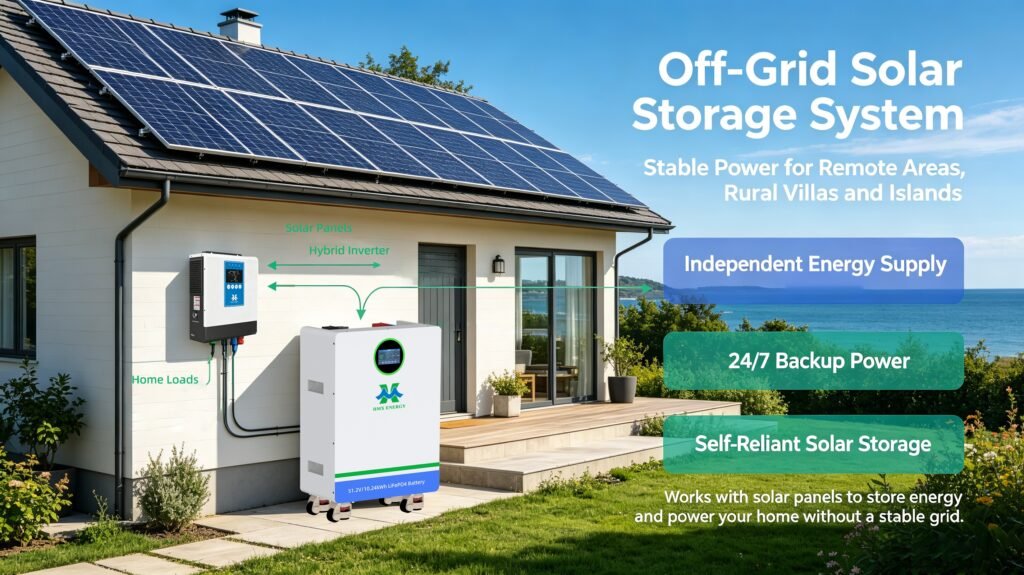
For a proposal using floor-standing lithium batteries, ask for the approved branch count, protective arrangement, busbar design and unavailable-branch response. Keep the inverter’s maximum request within the limits of the final system, including any required degraded operating mode.
| Boundary | Evidence required | Acceptance concern |
|---|---|---|
| Battery pack | Continuous and permitted transient current across operating conditions | Pack protection interrupts a normal customer load |
| Inverter input | Input range, current demand and approved control interface | AC nameplate power exceeds the available DC duty |
| Cables and terminals | Thermal design, voltage drop and manufacturer’s connection limits | Current is available at the pack but not safely deliverable |
| Parallel branches | Approved sharing and branch-loss behaviour | Remaining packs are overloaded after a branch stops |
| Protection | Rated devices and coordinated fault assessment | Normal current ratings are mistaken for fault capability |
Accept the load duty, not just an inverter screenshot
Define a representative acceptance test with the supplier and qualified installer. Include the customer’s sustained loads, permitted starting events and relevant operating conditions. Record battery voltage, current, limits, inverter output and temperatures using suitable measurements. A brief demonstration at a favourable charge state cannot establish every advertised operating condition.
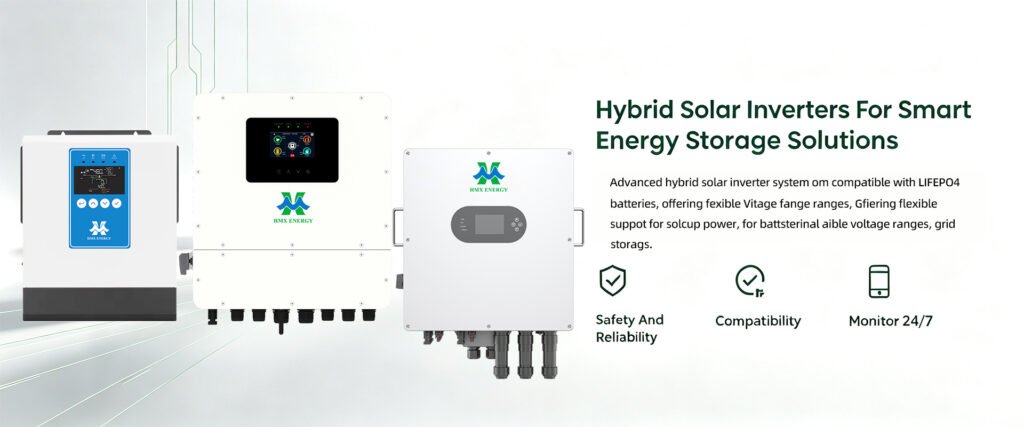
Use the inverter product range to shortlist equipment, then request a matched system proposal with documented power and energy duties. A larger inverter is useful only if the rest of the installation supports the service you intend to sell.
The purchase decision has separate gates: enough usable energy for duration, enough permitted current for power, and an approved DC path for delivery. If one gate lacks evidence, the system is not fully specified, regardless of how closely the nominal voltage labels match.