
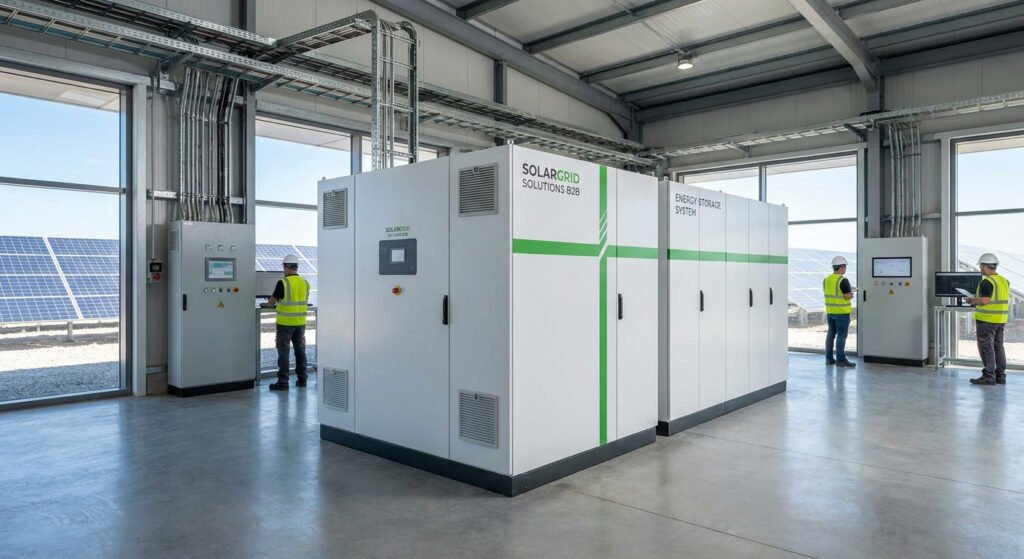
الطلب العالمي على تخزين الطاقة المتجددة يسرّع التحول من العاكسات الكهروضوئية المرتبطة بالشبكة التقليدية نحو العاكسات الهجينة الشمسية متعددة الأنماط. بالنسبة للموزعين بين الشركات، ومُكاملي الأنظمة الشمسية، وشركاء المعدات الأصلية، فإن اختيار منصة العاكس الهجين المناسبة يؤثر مباشرة على موثوقية النظام، ومطالبات الضمان، وهوامش الربح للمشاريع.
يتطلب تقييم العاكس الهجين الشمسي النظر إلى ما هو أبعد من أرقام الكفاءة الرئيسية. يجب على المشترين التجاريين تحليل المعايير الفنية الأساسية—مثل نوافذ جهد تتبع نقطة الطاقة القصوى (MPPT)، وتكامل بروتوكول الاتصال لنظام إدارة البطاريات (BMS)، وسرعات التبديل لإمداد الطاقة غير المنقطع (UPS)، والامتثال لمعايير الشبكة الدولية.
يوضح هذا الدليل المواصفات الفنية الحرجة، والطوبولوجيات النظامية، ومعايير العناية الواجبة التصنيعية اللازمة لتوريد عاكسات هجينة شمسية عالية الأداء وقابلة للتمويل المصرفي للتوزيع العالمي.
فهم بنية العاكس الهجين: الطوبولوجيات المقترنة بالتيار المستمر مقابل المقترنة بالتيار المتردد
يدمج العاكس الهجين الشمسي توليد الطاقة الكهروضوئية (PV)، وشحن/تفريغ تخزين طاقة البطارية، وتكييف الطاقة التفاعلي مع الشبكة في بنية أجهزة موحدة واحدة. اعتمادًا على متطلبات التركيب، تستخدم الأنظمة إما طوبولوجيات مقترنة بالتيار المستمر أو مقترنة بالتيار المتردد.
| ميزة الطوبولوجيا | العاكس الهجين المقترن بالتيار المستمر | العاكس الهجين المقترن بالتيار المتردد |
|---|---|---|
| مسار تدفق الطاقة | خطوة تحويل واحدة من التيار المستمر إلى التيار المستمر إلى البطارية | تحويل مزدوج (تيار مستمر ← تيار متردد ← تيار مستمر) لشحن البطارية |
| كفاءة الرحلة الكاملة (RTE) | أعلى (عادة 94%–96%) | أقل (عادة 88%–92%) |
| أفضل تطبيق | تركيبات الطاقة الشمسية + التخزين الجديدة | تحديث أنظمة الطاقة الكهروضوئية المرتبطة بالشبكة القائمة |
| تعقيد التركيب | أسلاك مبسطة بوحدة واحدة | يتطلب عاكسًا كهروضوئيًا منفصلًا وعاكس تخزين منفصلًا |
| تكلفة النظام | تكلفة أجهزة توازن النظام (BOS) أقل | تكلفة توازن النظام أعلى بسبب وحدتي العاكس |
في أنظمة تخزين الطاقة السكنية والتجارية والصناعية الجديدة (C&I BESS)، توفر العاكسات الهجينة المقترنة بالتيار المستمر كفاءة رحلة كاملة فائقة من خلال توجيه الطاقة الكهروضوئية مباشرة إلى بنك البطاريات عبر مرحلة محول تيار مستمر إلى تيار مستمر عالية الكفاءة دون خسائر تحويل تيار متردد غير ضرورية.
معايير التقييم الفني الرئيسية للمشتريات بين الشركات
عند تحديد مواصفات العاكسات الهجينة الشمسية للتوزيع الإقليمي أو تكامل المعدات الأصلية، يجب على الفرق الهندسية تقييم خمسة معايير فنية رئيسية:
1. كفاءة تتبع نقطة الطاقة القصوى (MPPT) ونوافذ جهد التشغيل
تتميز العاكسات الهجينة الشمسية التجارية من الدرجة الأولى بمستويات كفاءة تتبع تبلغ ≥99.9% مع أوقات استجابة ديناميكية أقل من ثانية واحدة للتغيرات السريعة في الإشعاع الشمسي.
يضمن نافذة جهد تشغيل واسعة لتتبع نقطة الطاقة القصوى (مثل 150 فولت–850 فولت تيار مستمر) أن يبدأ العاكس في حصاد الطاقة الشمسية في وقت أبكر من الصباح ويستمر في العمل حتى وقت لاحق من المساء. بالإضافة إلى ذلك، فإن التحقق من أقصى جهد دخل كهروضوئي (حتى 1000 فولت تيار مستمر للوحدات التجارية) يسمح للمُكامِلين بتحسين حجم السلاسل وتقليل تكاليف تركيب الكابلات.
نصيحة احترافية: اطلب دائمًا أوراق البيانات الكاملة من الشركة المصنعة بدلاً من الكتيبات التسويقية الموجزة. انتبه جيدًا لمنحنيات تخفيض الأداء عند درجات الحرارة فوق 40 درجة مئوية وخسائر قص الطاقة الكهروضوئية عند 110% من ظروف الاختبار القياسية (STC).
2. منصات جهد تخزين البطارية وتوافق بروتوكول نظام إدارة البطاريات (BMS)
تتفاعل العاكسات الهجينة مع فئتين رئيسيتين من جهد البطارية:
- أنظمة الجهد المنخفض (LV) (48 فولت اسمي): قياسية للتطبيقات السكنية (5 كيلوواط إلى 12 كيلوواط)، وتتطلب معالجة تيار عالية (100 أمبير–200 أمبير شحن/تفريغ) وكابلات نحاسية أثقل.
- أنظمة الجهد العالي (HV) (160 فولت–800 فولت تيار مستمر): مثالية لأنظمة تخزين الطاقة التجارية والصناعية (C&I BESS)، وتوفر خسائر توصيل I²R أقل، ومتطلبات كابلات أنحف، وكفاءة حرارية إجمالية أعلى.
يظل عدم تطابق بروتوكول الاتصال بين متحكم العاكس ونظام إدارة البطاريات الليثيوم سببًا رئيسيًا لفشل التشغيل الميداني. تتميز العاكسات الهجينة عالية الجودة بدعم أجهزة أصلي لبروتوكولات CANbus وRS485 وModbus TCP/RTU، مما يضمن استقرار المصافحة عبر كيميائيات بطاريات الليثيوم المختلفة (LiFePO4).
النقاط الرئيسية: غالبًا ما تنبع حالات فشل التوافق البيني من تحديثات البرامج الثابتة غير الموثقة لنظام إدارة البطاريات. حدد العاكسات ذات الامتثال المثبت ميدانيًا لبروتوكول Modbus/SunSpec أو مصفوفات توافق البطاريات المعتمدة مسبقًا.
3. سرعة التبديل بمعايير إمداد الطاقة غير المنقطع (UPS) وعزل الشبكة
في سيناريوهات الطاقة الاحتياطية، تحدد سرعة التبديل ما إذا كانت الأحمال المتصلة ستشهد انقطاعًا في الطاقة. تتحول أوضاع إمداد الطاقة الطارئة القياسية (EPS) خلال 20 مللي ثانية أو أكثر، مما قد يتسبب في إعادة تعيين المعدات التجارية الحساسة والخوادم وأنظمة التحكم الصناعية الآلية.
توفر العاكسات الهجينة الحديثة أوقات نقل حقيقية بمعايير إمداد الطاقة غير المنقطع (UPS) أقل من 10 مللي ثانية. تعزل مفاتيح النقل التلقائي السريعة (ATS) الشبكة المحلية الصغيرة عن الشبكة الرئيسية فورًا أثناء انقطاع التيار الكهربائي، مما يحافظ على تدفق الطاقة المستمر دون هبوط الجهد.
4. التصميم الحراري وتصنيفات الحاويات البيئية
تعرض التركيبات الخارجية إلكترونيات الطاقة لتقلبات درجات الحرارة القصوى والرطوبة والجسيمات المحمولة جوًا في البيئة المحيطة.
- حماية IP65 / IP66: مقاومة كاملة للغبار ومقاومة لنفاثات المياه عالية الضغط، مما يتيح التركيب المباشر على الجدران الخارجية.
- الطلاء المطابق (Conformal Coating): لوحات الدوائر المطبوعة (PCBs) المطلية وفقًا لمعايير IEC 60721-3-3 من الفئة 3C2/3S2 تقاوم تآكل رذاذ الملح والغازات الصناعية والرطوبة العالية.
- تبديد الحرارة: المشتتات الحرارية السلبية أو المدعومة بمراوح ذكية تمنع الانخفاض الكبير في القدرة حتى درجات حرارة محيطة تصل إلى 45 درجة مئوية.
الامتثال للشبكة ومعايير السلامة والشهادات السوقية
يجب على الموزعين ومقاولي الهندسة والمشتريات (EPC) التحقق من أن العاكسات الهجينة تحمل حزم شهادات كاملة ومعتمدة لأسواقها الجغرافية المستهدفة قبل تقديم طلبات الشراء بالجملة:
- أمريكا الشمالية: UL 1741 SA/SB (متطلبات قاعدة كاليفورنيا 21 ودعم شبكة Hawaiian Electric)، IEEE 1547-2018، FCC Part 15 Class B.
- أوروبا والدولية: CE، IEC 62109-1 (السلامة)، IEC 62109-2 (سلامة العاكس)، EN 50549-1 / EN 50549-2 (الربط بالشبكة)، وUN38.3 لنقل البطاريات المدمجة.
- أستراليا وأوقيانوسيا: الامتثال لمعيار الربط بالشبكة AS/NZS 4777.2.
يجب على الموزعين التحقق من تقارير الاختبار المعتمدة مباشرة من هيئات الاختبار المعتمدة (مثل TÜV Rheinland أو SGS أو Intertek). الشهادات غير الموثقة تعرّض الشركات لتأخيرات جمركية شديدة ورفض ربط الشبكة الكهربائية.
العناية الواجبة لموردي B2B: تقييم جودة المصنع ودعم OEM/ODM
التوريد المباشر من شركة تصنيع راسخة يوفر مزايا تجارية وتقنية كبيرة مقارنة بالتوريد من وسطاء تجاريين من المستوى الثاني. عند تدقيق شركاء التصنيع المحتملين، قم بتقييم المعايير التشغيلية التالية:
التصنيع الآلي ← اختبار الحرق بالحمل الكامل 100% ← الشهادات المعتمدة ← الدعم الهندسي المباشر
(ISO9001:2015 SMT) (اختبار حراري كامل) (تقارير UL، CE، IEC) (تخصيص OEM/ODM)
- التكامل الرأسي: الشركات المصنعة التي تتحكم في الإنتاج الرأسي لحزم البطاريات وبروتوكولات BMS وإلكترونيات العاكس تلغي إلقاء اللوم بين البائعين المتعددين عند ظهور مشكلات تقنية ميدانية.
- التصنيع الدقيق ومعدلات الإنتاجية: ابحث عن تجميع تكنولوجيا التركيب السطحي الآلي (SMT)، وتفاوتات عالية الدقة (0.01 مم)، ومعدلات إنتاجية مصنعية موثقة تتجاوز 99.99%.
- الهندسة المخصصة ومطابقة البروتوكولات: الموزعون الذين يعملون تحت علامات تجارية مملوكة يتطلبون قدرات مرنة في OEM/ODM، بما في ذلك تصميمات الهياكل المخصصة، وترجمة البرامج الثابتة المحلية، وتكامل بروتوكولات BMS المخصصة.
الموردون الموجهون هندسيًا مثل شركة إتش إم إكس للطاقة المحدودة, ، بالاستناد إلى أكثر من 20 عامًا من الخبرة في تصنيع معدات الطاقة الشمسية وخبرات البحث والتطوير من مهندسين سابقين في Huawei وBYD، يديرون منشأة تصنيع رأسية معتمدة وفق ISO9001 تقدم أجهزة معتمدة مباشرة من أرضية المصنع.
مؤشرات الخطر في المشتريات وأنماط الأعطال الميدانية الشائعة
لحماية سمعة العلامة التجارية وتقليل مطالبات الضمان، يجب على فرق المشتريات مراقبة مؤشرات الخطر التالية أثناء تقييم الموردين:
- ادعاءات توافق غامضة: المورد يدعي “توافقًا عالميًا مع البطاريات” دون تقديم قائمة توافق BMS صريحة ومختبرة.
- حزم شهادات غير مكتملة: المورد يقدم إعلانات ذاتية بدلاً من تقارير اختبار رسمية من مختبرات اختبار معترف بها (مثل TÜV، UL).
- غياب منحنيات خفض القدرة الحرارية: مواصفات العاكس لا تحدد انخفاض خرج الطاقة عند درجات الحرارة المحيطة المرتفعة (>40 درجة مئوية).
- غياب دعم RMA المحلي وقطع الغيار: المورد لا يقدم دعمًا هندسيًا مباشرًا أو مساعدة تشخيصية عن بُعد أو استبدالًا سريعًا لقطع الغيار.
توصيات استراتيجية لموزعي الطاقة الشمسية وشركاء OEM
بناء أعمال ناجحة في تخزين الطاقة المتجددة يتطلب التوافق مع شريك تصنيع قادر على دعم الابتكار التقني والامتثال التنظيمي الصارم والإنتاج بكميات قابلة للتوسع.
من خلال تحديد العاكسات الهجينة الشمسية بنطاقات MPPT واسعة، وسرعات نقل UPS أقل من 10 مللي ثانية، وهياكل IP65/IP66 متينة، وامتثال موثق للشبكة، يمكن للموزعين تقديم أجهزة موثوقة تقلل من احتكاك التركيب ومعدلات الأعطال الميدانية.
شراكة مع مورد رائد في تصنيع الطاقة الشمسية
للموزعين ومتكاملي الأنظمة ومصنعي المعدات (OEM) الباحثين عن عاكسات هجينة شمسية عالية الأداء ومكونات BESS بأسعار مباشرة من المصنع:
- استكشف محفظة منتجات BESS والعاكسات الشمسية المعتمدة بالكامل لمراجعة المواصفات الفنية الكاملة.
- تعرف على المزيد حول برنامج شركاء موزعي الطاقة الشمسية وOEM لمعرفة أسعار الكميات ودعم الهندسة المخصصة.
- مستعدون لمناقشة مشروعكم القادم؟ اطلب استشارة هندسية مباشرة من المصنع لأنظمة OEM مباشرة مع الفريق الفني لشركة HMX Energy.