

قد يحتوي تقرير انتشار الهروب الحراري على مئات الصفحات من درجات الحرارة وقياسات الغاز والصور والملاحظات. وغالبًا ما يختزله المشترون في جملة واحدة — “لا انتشار” — دون التأكد مما تم بدءه، أو المستوى الذي تم اختباره، أو مراجعة التصميم المستخدمة، أو ما إذا كان التركيب يختلف عن ترتيب الاختبار.
التقرير ليس شهادة عامة بأن كل مشروع يستخدم بطارية مماثلة آمن. فهو دليل من جسم اختبار محدد وطريقة بدء محددة وحالة محددة وحاوية محددة وتباعد محدد وتهوية محددة وتكوين تخفيف محدد. ويتتبع المراجعة المهنية تلك الظروف إلى المعدات المعروضة وتصميم الحريق والانفجار والفصل والاستجابة للطوارئ في الموقع.
نظرة عامة على UL 9540A من UL Solutions الحالية تصف أهداف مستوى الخلية والوحدة والوحدة الكاملة والتركيب وتشرح الإصدارات الأخيرة. وينبغي للمشترين تحديد الإصدار المعمول به ومستوى الاختبار وأساس الموافقة المحلي بدلاً من التعامل مع “اختبار UL 9540A” كاستجابة كاملة.
تحديد التقرير ومستوى الاختبار والقرار المقصود
سجّل المختبر ونطاق الاعتماد ورقم التقرير والتاريخ وإصدار المعيار ومستوى الاختبار والعميل واسم المنتج والطراز وهوية الخلية والوحدة ومراجعة الحاوية وأي قيود على التقرير. تأكد مما إذا كانت الوثيقة تقريرًا كاملاً أو ملخصًا تنفيذيًا أو خطابًا أو مقتطفًا تسويقيًا. قد يحذف الملخص الإعداد والانحرافات اللازمة للمراجعة الهندسية.
حدد قرار المشروع الذي يجب أن يدعمه التقرير: اعتماد المنتج، أو الفصل، أو تصميم نظام الحريق، أو تحليل الغاز أو الانفجار، أو تخطيط المستجيبين، أو التصاريح، أو مراجعة شركة التأمين. تتطلب الأسئلة المختلفة مستويات اختبار وبيانات مختلفة. لا تطلب نتيجة غاز على مستوى الخلية لإثبات انتشار الحريق من وحدة إلى وحدة، أو اختبار وحدة لإثبات ترتيب بناء معدّل.
| مستوى الاختبار | محور الأدلة | ما لا ينبغي للمشتري استنتاجه |
|---|---|---|
| الخلية | خصائص الهروب الحراري وبيانات الغاز | السلوك الكامل للوحدة أو الحاوية |
| الوحدة | ميل الانتشار من خلية إلى خلية والانبعاثات | أداء الحريق من وحدة إلى وحدة أو على مستوى المبنى |
| الوحدة | انتشار الوحدة وسلوك الحرارة/الغاز وتأثيرات الحاوية | كل تباعد موقع أو ترتيب غرفة |
| التركيب/النطاق الواسع | انتشار الحريق والتعرضات والتخفيف المركّب في إطار إعداد محدد | تغييرات غير مراجعة على المعدات أو التخطيط |
| اعتماد المنتج | التقييم وفق معيار المنتج والتكوين المحدد بالاسم | موافقة تلقائية لكل ولاية قضائية |
مطابقة الخلية والوحدة مع المنتج المعروض
قارن الشركة المصنعة والطراز والكيمياء والشكل والسعة والكتلة والأبعاد ومراجعة الإنتاج للخلية المختبرة. ثم قارن تخطيط الوحدة وترتيب التوصيل التسلسلي/التوازي والتباعد والضغط والحواجز والمسارات الحرارية وقضبان التوصيل والصمامات والحاوية. “نفس الكيمياء” أو “نفس السعة” لا يثبت التكافؤ.
تتبّع الاستبدالات وتغييرات سلسلة التوريد. إذا كان المنتج المعروض يستخدم خلية أخرى أو حاجزًا أو مسار تهوية أو مادة وحدة مختلفة، فاطلب تقييمًا تقنيًا موثقًا وأي أدلة اختبار إضافية تطلبها السلطة أو جهة الاعتماد أو مهندس الحريق أو شركة التأمين. واحتفظ بالقرار في سجل المشروع.
الفروق الأوسع في دليل UL 9540 وUL 9540A وNFPA 855 تساعد فرق المشتريات على فصل تقييم المنتج وطريقة اختبار الانتشار ومعيار التركيب. استخدم الإصدار والاعتماد المعمول بهما في الموقع.
مراجعة طريقة البدء والحالة
حدد كيف تم بدء الهروب الحراري، وأي خلية تم اختيارها، وأين كانت في الوحدة أو الوحدة الكاملة، وما إذا كانت الطريقة قد أنشأت تسخينًا وتنفيسًا تمثيليين. سجّل حالة شحن البطارية والتكييف ودرجة الحرارة والراحة. قد يستخدم التقرير حالة أسوأ حالة محددة أو حالة موحدة تختلف عن التشغيل الروتيني؛ ويجب على المراجع فهم الغرض بدلاً من إعادة تصنيفه كتنبؤ بحادث ميداني.
تحقق مما إذا كان موقع البدء المختار قد اختبر الخلايا المجاورة والحواجز ومسارات الغاز والتخفيف. إذا كان المنتج يحتوي على اتجاهات متعددة للوحدة أو الرف، فحدد أيها تم اختباره. لاحظ تكرارات الاختبار والانحرافات. لا ينبغي تعميم نتيجة واحدة خارج نطاقها الموثق دون تبرير تقني.
وزارة الطاقة الأمريكية (DOE) الخطة الاستراتيجية لسلامة تخزين الطاقة تصف السلامة المتحقق منها وأهمية تصميم النظام واختباره. طبّق منظور دورة الحياة هذا: أدلة الاختبار تُعلم الوقاية والتخفيف والتركيب والاستجابة وضبط التغييرات اللاحقة.
التمييز بين البناء السلبي والأنظمة النشطة
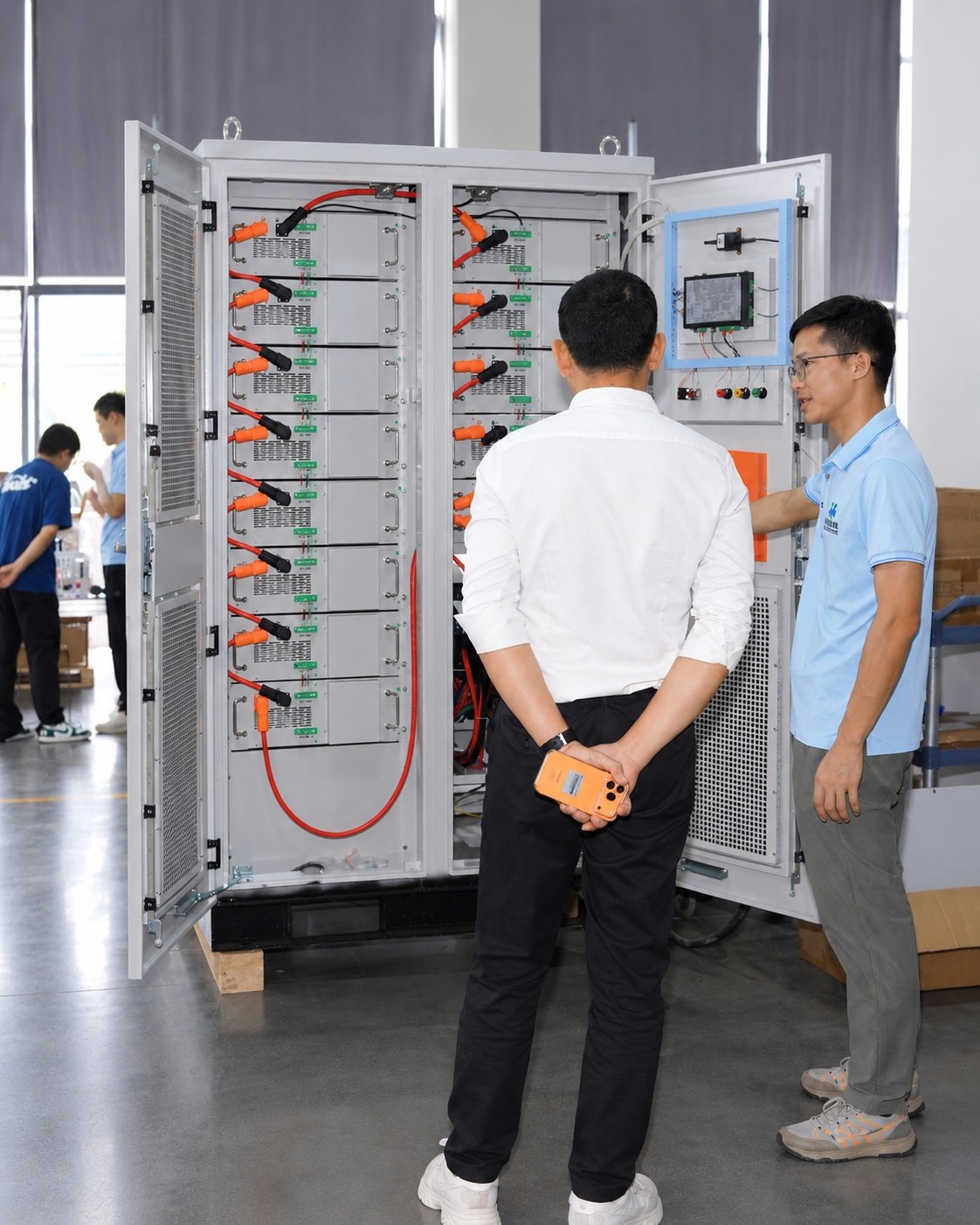
اسرد كل ميزة نشطة وسلبية كانت موجودة أثناء الاختبار: تباعد الخلايا، والعزل، والحواجز، والفتحات، وألواح الحاوية، وتخفيف الضغط، والكشف، ونظام إدارة البطارية، والموصلات، والمراوح، والمضخات، والإخماد، والحماية الخارجية من الحريق. حدد أي الوظائف كانت تعمل أو معطلة أو غير متاحة حسب تصميم الاختبار.
قد تحسّن الضوابط النشطة الكشف والاستجابة في الظروف العادية، لكن الهروب الحراري يمكن أن يعطّل الطاقة والاتصالات وأجهزة الاستشعار. وينبغي قراءة التقرير لفهم السلوك في تكوين الاختبار الفعلي. لا تدّع أن مروحة أو مضخة أو نظام إدارة البطارية أوقف الانتشار إذا كانت طريقة الاختبار لم تعتمد عمدًا على تلك الوظيفة.
لضوابط المشروع، اربط ملاحظات التقرير بـ مصفوفة السبب والنتيجة لإنذار حريق أنظمة تخزين طاقة البطاريات. قد تدعم أدلة التقرير حدودًا أو إجراءات، لكن يجب على الموقع التحقق بشكل منفصل من مسارات الكشف والعزل والتهوية والإخماد والإشعار المركّبة.
قراءة بيانات الغاز والضغط والحرارة وإعادة الاشتعال معًا
يعالج تركيب الغاز ومعدل الإطلاق والقابلية للاشتعال ودرجة الحرارة وإطلاق الحرارة وتدفق الحرارة والضغط مخاطر مختلفة. اسأل متخصصي الحريق والانفجار عن البيانات التي يحتاجونها وما إذا كان التقرير يوفر نتائج خام أو ملخصة. فبيان أنه لم يُلاحظ لهب لا يعني أنه لم يُنتج غاز قابل للاشتعال.
راجع مواقع أجهزة الاستشعار وتوقيت أخذ العينات وحدود الكشف وعدم اليقين. فالغاز المقاس عند نقطة واحدة في حاوية اختبار قد لا يمثل كل تركيز في غرفة المشروع. ويعتمد تدفق الحرارة ودرجات حرارة الهدف على الهندسة والمسافة. استخدم التحليل الهندسي لنقل بيانات الاختبار إلى التركيب.
سجّل ملاحظات إعادة الاشتعال أو استمرار التسخين ومدة المراقبة. لا ينبغي أن تفترض خطط الطوارئ أن الحدث ينتهي عندما يتوقف اللهب المرئي. اربط أدلة المنتج بـ حزمة معلومات الطوارئ لأنظمة تخزين طاقة البطاريات so responders receive verified facts, not simplified marketing claims.
Compare the Test Layout with the Site
Compare enclosure orientation, doors, panels, vents, spacing to adjacent units and walls, overhead exposures, indoor or outdoor condition, ceiling, room volume, ventilation, suppression, barriers and target materials. Mark each difference as equivalent, conservative, requiring analysis or requiring new evidence.
UL Solutions’ 2026 announcement on large-scale BESS fire testing describes enhanced installation-level evaluation. Buyers should confirm which edition and test method their report used and whether the current project relies on a configuration outside that evidence.
Do not overlook site drainage, access and neighboring hazards. A test can support separation and thermal exposure analysis but does not design emergency vehicle routes, runoff control, utility isolation or post-incident storage. These remain site responsibilities.
| Comparison field | Report condition | Project review |
|---|---|---|
| Cell/module/unit revision | Exact tested identity | Match, assessed change or new evidence |
| State of charge and conditioning | Defined test state | Understand purpose and conservatism |
| Initiation point/method | Cell and location used | Relevant to product arrangements |
| Enclosure openings | Doors, vents and relief state | Matches installed hardware and controls |
| Spacing/exposures | Targets, walls and adjacent units | Site layout within supported basis |
| Active mitigation | Operating, disabled or external | No unsupported reliance |
| Instrumentation | Gas, pressure, heat and temperature points | Data suitable for engineering use |
| Duration/end state | Monitoring, reignition and observations | Emergency/recovery assumptions aligned |
Check Deviations, Anomalies and Unsuccessful Runs
Read the deviation and observation sections, not only the conclusion. Note failed initiation, sensor loss, unexpected panel opening, equipment malfunction, changed setup, incomplete data or repeated runs. Determine how the laboratory and report author treated each issue and whether it limits the project decision.
Request referenced appendices, photographs and raw-data summaries required for review. Redactions may protect proprietary design, but they should not remove information the authority or fire engineer needs to assess configuration and results. Establish a confidential review route where necessary.
The US Environmental Protection Agency’s BESS safety and environmental considerations provide useful installation and emergency-planning context. Use those project-level considerations alongside the product-specific test report, and confirm current authority requirements directly.
Connect the Report to Procurement and Change Control
Require bidders to identify report numbers, applicable product models, standard editions, deviations and project gaps. The supplier should disclose planned cell, module, barrier, enclosure, firmware or mitigation changes before manufacture. The owner decides whether the updated design remains within the accepted evidence.
At factory and site review, verify construction and settings that the safety case depends on. Use the بروتوكول FAT لنظام تخزين طاقة البطاريات to record product identity, firmware and functional controls. FAT cannot reproduce destructive propagation testing, but it can confirm that the supplied configuration matches the reviewed evidence.
After operation begins, screen module replacement, augmentation, repowering, fire-system modification and enclosure repair against the report basis. Keep the report, gap analysis, approvals and current product register together. A report that cannot be mapped to installed serials has limited lifecycle value.
Use a Report-Review Schedule in the RFQ
| مخرج طلب عرض الأسعار | الحد الأدنى من المحتوى | نقطة القبول |
|---|---|---|
| Report register | Lab, number, date, edition, level and product identity | Bid technical review |
| Configuration mapping | Cell, module, unit and mitigation against offered product | Before design approval |
| Project gap matrix | Test layout versus site layout and fire systems | Fire-engineer/AHJ review |
| حزمة البيانات | Gas, heat, pressure, photos, observations and deviations | Suitable for analysis |
| Safety-function mapping | Passive and active features present during test | No unsupported claim |
| Responder summary | Verified hazards, remaining energy and test observations | Emergency plan accepted |
| Production conformity | Traceability and controlled substitutions | Before shipment |
| Lifecycle change rule | Screening, re-analysis and new-test triggers | Transferred to operations |
استخدم قائمة مراجعة مشتريات BESS التجارية to connect propagation evidence with certification, site safety, commissioning, service and change control. A low-price bid with an unmapped report can transfer significant approval work to the owner.
Turn Measurements into Project Decisions
A report can contain hundreds of temperature, heat-flux, gas and video observations. Procurement teams do not need to reproduce the laboratory analysis, but they do need a decision map. Each important observation should be assigned to a design question: separation distance, wall rating, ventilation concept, gas detection, pressure relief, emergency isolation, firefighting access or post-event monitoring. If a measurement is cited in the safety case, record its sensor location, time basis, range and any limitation. A peak value without location and timing can be easy to quote and hard to use.
Heat-flux data deserve particular care. Confirm the target surface, orientation, distance, sampling interval and whether the quoted result is a peak, an average or a threshold-duration value. Compare those details with the exposure the project engineer is assessing. A sensor positioned beside a test unit does not automatically establish the heat input at a building façade, boundary or differently oriented adjacent enclosure. The fire-protection engineer should make that translation and document the assumptions.
Gas results also require context. The report may identify gas species, concentration trends, release timing or flammability observations, but readings depend on sampling point, dilution, ventilation, enclosure state and analytical method. Ask whether the data support detector selection, alarm thresholds, ventilation logic or only general hazard identification. Do not copy a concentration from a test report into a site setpoint without a qualified controls and fire-safety review.
Pressure events should be traced against the physical sequence. Note when doors, vents, panels or other relief features moved; whether the movement was intentional; and whether fragments or hot material affected targets. Confirm that the installed relief path remains unobstructed after cable routing, weather protection, adjacent equipment and maintenance access are added. A design change outside the enclosure can still invalidate an installation assumption.
Large-scale research helps teams understand why full observations matter. Sandia National Laboratories’ report on large-scale energy-storage fire testing discusses fire spread, gas generation and the value of data for emergency response. Use such research to improve review questions, while keeping product-specific decisions tied to the tested product and the authority-approved project analysis.
Define What Happens When the Product Changes
Propagation evidence is configuration-sensitive. A change to cell supplier, electrode format, module spacing, thermal interface material, busbar insulation, vent path, barrier, door seal, firmware, cooling arrangement or fire-system logic can alter initiation, propagation or release behavior. The contract should therefore define a controlled baseline before purchase order and require written notice before a safety-relevant substitution. “Equivalent component” is not a sufficient engineering disposition.
The change review should name the responsible parties and possible outcomes. A proposed change may be accepted as within the documented test family, supported by a laboratory or engineering assessment, restricted by an installation control, or sent for additional testing. The supplier should provide the comparison evidence; the owner, engineer, insurer and authority retain their respective approval roles. Set review lead times early so a late substitution does not force an unsafe choice between schedule and evidence.
Traceability must continue through delivery. Record the installed cell and module identifiers, enclosure revision, protection and fire-system versions, and applicable report numbers. Sample production records at FAT and reconcile them again at site receipt. If several production lots or approved configurations are used, map serial-number ranges to the supporting evidence. This is especially important for multi-phase projects where a later block may look identical but contain revised components.
Apply the same discipline after handover. Maintenance teams need a rule for damaged-module replacement, fire-system repair and firmware changes. Augmentation and repowering reviews should reopen the propagation gap analysis because the new equipment may change spacing, exposure, controls or responder access. Preserve superseded reports and dispositions so an incident investigation or warranty review can reconstruct the evidence that applied at the time.
قرار المشتري
Accept a thermal-runaway propagation report when its test level answers the project question, the tested construction matches the offered product, the setup and deviations are understood, engineering teams can use the data and all installation differences have an approved disposition.
The conclusion is not “the battery passed.” The conclusion is a defined evidence boundary: what was tested, what was observed, which project decisions it supports and which risks still require design, operational or emergency controls.