
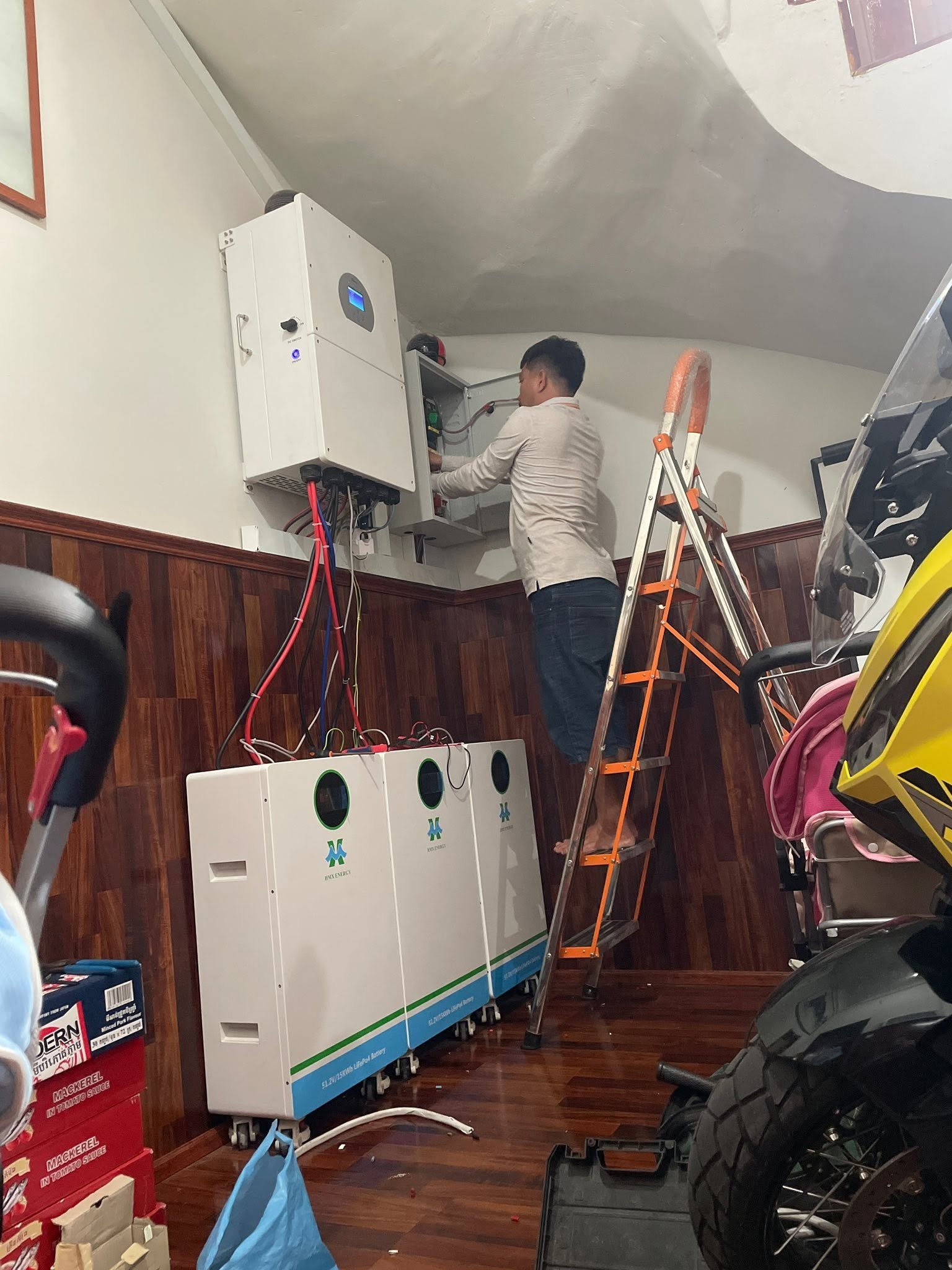
استراتيجية قطع الغيار لنظام تخزين الطاقة بالبطاريات هي خطة خاصة بالمشروع لتحديد المكونات التي يمكن أن يتسبب عطلها في تقليل الخدمة المتعاقد عليها أو إيقافها، وتحديد ما يجب الاحتفاظ به محلياً أو إقليمياً، والحفاظ على توافق الأجهزة والبرمجيات الثابتة، وتحديد المسؤولية وإعادة التزويد، وإثبات أن الاستبدال يعيد النظام إلى التكوين المعتمد. شراء صندوق قطع غيار غير متمايز ليس هو نفس التخطيط للاستعادة.
تكون المشكلة أكثر وضوحاً بعد وقوع عطل. قد تكون المروحة المعطلة أو مصدر طاقة التحكم أو مفتاح الشبكة أو لوحة التحكم في محول الطاقة الكهربائية غير مكلفة مقارنة بنظام البطاريات، ومع ذلك قد يستمر الانقطاع أثناء تحديد النسخة الصحيحة وشحنها وتخليصها جمركياً وتركيبها واختبارها. ينشأ التعرض التجاري من مسار الاستعادة بأكمله، وليس فقط من سعر المكون.
إجابة مباشرة: تصنيف قطع الغيار حسب عواقب الخدمة ومسار الاستعادة. الاحتفاظ محلياً بالعناصر التي يمكن أن تسبب توقفاً غير متناسب، والاحتفاظ بسجلات النسخ والتكوين المعتمدة، وتحديد من يملك كل عنصر ويقوم بإعادة تزويده، واختبار عملية الاستبدال قبل فصل فرق الضمان والخدمة.
تاريخ مراجعة البحث: 19 نوفمبر 2026. هذا الدليل مخصص لملاك الأصول التجارية والصناعية ومديري مشاريع الهندسة والتوريد والبناء والمطورين والموزعين وفرق التشغيل والصيانة العاملة عبر الحدود أو بعيداً عن مورد المعدات. لا ينشر معدلات فشل HMX أو أوقات تسليم المكونات أو كميات المخزون الموصى بها أو ضمانات الاستجابة للخدمة. تتطلب تلك القيم قائمة المواد النهائية وموقع المشروع والهندسة المعمارية ونموذج الخدمة والأدلة المكتوبة من المورد.
ابدأ من عواقب الخدمة، وليس من تكلفة المكون
وحدة البطارية المكلفة ليست تلقائياً قطع الغيار الأكثر إلحاحاً. يمكن أن يكون المكون الأقل تكلفة أكثر أهمية إذا تسبب في عطل من النمط العام، أو كان لديه عملية تحديد أو تكوين طويلة، أو منع جميع الوحدات السليمة من العمل. ابدأ بالخدمة المتعاقد عليها والهندسة المعمارية، ثم تتبع المعدات التي يمكن أن يؤدي فقدانها إلى مقاطعة تلك الخدمة.
حدود النظام المحددة لـ يغطي ضمان توفر BESS هي نقطة البداية الصحيحة. حدد رفوف البطاريات وطبقات نظام إدارة البطاريات وكتل محولات الطاقة الكهربائية والمحولات ومعدات التبديل والإمدادات المساعدة والإدارة الحرارية والكشف عن الحرائق والغاز ووحدة التحكم في الموقع والعدادات والحماية والاتصالات وتبعيات الخدمة عن بُعد. لكل عنصر، اسأل عما إذا كان النظام يتوقف أو ينخفض أداؤه أو ينتقل إلى مسار احتياطي أو يستمر مع مراقبة مخفضة.
| عامل الأهمية الحرجة | سؤال المشتري | التأثير على قرار قطع الغيار |
|---|---|---|
| عواقب الخدمة | هل يؤدي العطل إلى إيقاف المحطة بالكامل أو كتلة واحدة أو وظيفة غير حرجة؟ | يحدد الأولوية التجارية ومسار الاستعادة المقبول |
| التكرار الاحتياطي | هل المسار الاحتياطي مستقل ومُختبر تحت الحمل المطلوب؟ | قد يقلل من الحاجة الفورية للمخزون لكنه لا يزيل الحاجة للإصلاح |
| اكتشاف الأعطال | هل يمكن عزل العطل عن بُعد دون استبدال القطع بالتجربة والخطأ؟ | يحدد أدوات التشخيص وكفاءة الفني المطلوبة |
| مسار الشراء | هل العنصر قياسي أو خاضع لسيطرة المورد أو مبرمج أو مصنوع حسب الطلب؟ | يغير ما إذا كان المخزون المحلي أو الإقليمي أو مخزون المورد موثوقاً |
| التوافق | هل يمكن لبديل حالي أن يعمل مع الأجهزة والبرمجيات الثابتة المثبتة؟ | يتطلب بدائل معتمدة وضبط النسخ وأدلة الاختبار |
| حساسية التخزين | هل للعنصر عمر تخزيني أو حالة شحن أو متطلبات تحكم بيئي؟ | يضيف متطلبات الفحص والتكييف والتدوير |
| مخاطر التركيب | هل يمكن للفريق المحلي استبدال العنصر بأمان؟ | يربط المخزون بالأدوات والتفويض وتعليمات العمل |
| إثبات العودة إلى الخدمة | ما الاختبار الذي يؤكد الوظيفة المتعاقد عليها بعد الاستبدال؟ | يمنع التعامل مع قطعة غيار مثبتة على أنها إصلاح مكتمل |
إعلان وزارة الطاقة الأمريكية لعام 2025 بشأن تقييم سلسلة توريد نظام تخزين الطاقة بالبطاريات يصف نهجاً منظومياً يقيّم عواقب مستوى المكونات إلى جانب التأثيرات التشغيلية والأمنية الأوسع. تستخدم استراتيجية قطع الغيار الخاصة بالمشروع نفس المنطق على مستوى الموقع: إعطاء الأولوية للمكونات بناءً على ما يفعله فقدانها بالخدمة، وليس بقائمة عامة منسوخة من مشروع آخر.
فصل المخزون المحلي والإقليمي ومخزون المورد
ليست كل قطعة غيار تنتمي إلى المحطة. يكون المخزون المحلي مبرراً عندما يكون للعنصر عاقبة انقطاع عالية، ويمكن استبداله من قبل فريق موقع معتمد، ويمكن تخزينه بشكل صحيح. قد يكون المخزون الإقليمي مناسباً عندما تشترك عدة مشاريع في عنصر متوافق وتكون النقل متوقعاً. يمكن أن يغطي مخزون المورد المجمعات المكلفة أو النادرة، ولكن فقط إذا حدد العقد الموقع والحجز وصلاحية الإرسال والأدلة على أن العنصر يظل متاحاً لهذا المشروع.
“متاح من المصنع” ليس خطة استعادة. قد يحتاج المصنع still إلى تأكيد الرقم التسلسلي أو بناء أو برمجة العنصر أو الحصول على وثائق التصدير أو ترتيب نقل البضائع الخطرة أو تخليص جمارك الوجهة أو إرسال فني مؤهل. سجّل كل مرحلة والطرف المسؤول عنها. وقت البريد السريع المذكور يغطي جزءاً واحداً فقط من المسار.
أصدر مكتب الأمن السيبراني وأمن الطاقة والاستجابة للطوارئ التابع لوزارة الطاقة ومختبر أيداهو الوطني تقريراً مفصلاً عن سلسلة توريد تخزين البطاريات في عام 2025. ويؤكد على تقييم المكونات من البداية إلى النهاية وإعطاء الأولوية بناءً على العواقب. لا ينبغي لمالك الموقع تحويل ذلك التحليل على المستوى الوطني إلى رقم غير مدعوم لأوقات التسليم؛ الإجراء الشرائي المفيد هو رسم خريطة المكون الفعلي والمورد والبلد والمصدر البديل وخطوات الخدمات اللوجستية للتصميم المختار.
التوافق جزء من قطعة الغيار، وليس مهمة هندسية لاحقة

قد لا يثبت رقم القطعة وحده التوافق. قد تتطلب لوحات التحكم فرعاً معيناً من البرمجيات الثابتة أو ملف معاملات أو ترخيصاً أو ملف تعريف اتصالات. قد تتطابق المراوح والمضخات ميكانيكياً لكنها تختلف في التصنيف الكهربائي أو إشارة التغذية الراجعة أو منحنى التحكم. قد تتطلب وحدات البطاريات حدوداً على تباين الإنتاج أو مطابقة الجهد أو حالة الشحن وخطوات تشغيل معتمدة من المورد. قد تحتاج مرحلات الحماية والعدادات إلى إعدادات خاصة بالمشروع وسجلات معايرة.
أنشئ سجل توافق كما هو مبني عند التسليم. يجب أن يربط الرقم التسلسلي المثبت برقم القطعة لدى الشركة المصنعة ونسخة الأجهزة والبرمجيات الثابتة والإعدادات المعتمدة والموصل أو الضفيرة ومتطلبات الأمن السيبراني والبدائل المعتمدة واختبار العودة إلى الخدمة. عندما يغير المورد عنصراً، اطلب إشعار تغيير هندسي يحدد التوافق مع الإصدارات السابقة وأي قيود.
Capacity augmentation introduces another compatibility boundary. The lifecycle questions in our BESS capacity augmentation guide also apply to stored replacement modules: future hardware may not be a drop-in substitute for equipment purchased years earlier. The project should distinguish operational spares intended for prompt repair from planned augmentation or replacement capacity that requires a separate design review.
| Spare-register field | لماذا يهم | Control evidence |
|---|---|---|
| Equipment and service tag | Connects stock to the affected system function | Single-line diagram and equipment hierarchy |
| Manufacturer part number and description | Prevents ambiguous warehouse descriptions | Approved bill of materials |
| Hardware revision and serial range | Identifies physical compatibility | Supplier compatibility statement |
| Firmware, settings and licence | Allows the installed item to communicate and operate correctly | Controlled image, checksum and parameter backup |
| Approved substitute | Provides a managed path when the original item is obsolete | Engineering change notice and verification result |
| Storage requirement | Preserves condition while the item waits | Temperature, humidity, SOC or preservation instruction |
| Inspection and rotation date | Prevents silent deterioration or expired calibration | Warehouse inspection record |
| Installation authorization | Confirms who may perform the work safely | Training, procedure and required tooling |
| Return-to-service test | Confirms the fault is corrected without creating a new one | Approved functional test and signed result |
| Replenishment trigger | Restores readiness after stock is consumed | Purchase responsibility and escalation path |
Design the Stock around Diagnosis and Safe Replacement
Holding a part does not reduce downtime if the team cannot identify the failed item. The diagnostic package may include wiring diagrams, alarm definitions, trend access, test points, service software, communication adapters, approved test equipment and escalation support. Protect service credentials and tools under the project’s cybersecurity policy rather than leaving them with one technician.
Event evidence should be captured before components are swapped. The sequence in our دليل فرز إنذارات أنظمة تخزين طاقة البطاريات helps separate the initiating fault from subsequent protection actions. Replacing the component named by the final alarm without preserving the sequence can consume the spare and leave the real cause in place.
Define safe isolation, stored-energy controls, lifting needs, electrostatic precautions, torque requirements and post-work inspection for every field-replaceable item. Some assemblies should remain supplier-service items even when a spare is held onsite. The stock location does not grant authorization to open or modify equipment.
Treat Storage Conditions as a Maintenance Duty
Spares can degrade while waiting. Electronics can suffer from moisture, contamination or electrostatic damage. Seals, filters and fire-system consumables may have inspection or shelf-life requirements. Calibrated instruments can expire. Battery-related stock may require controlled state of charge, voltage checks, temperature limits or periodic conditioning defined by the manufacturer.
Do not invent a universal storage interval. Obtain the preservation instructions for each part and include them in the computerized maintenance management system or another controlled register. Record receiving condition, packaging, location, environmental checks, inspection dates and any movement. First-in, first-out is not automatically appropriate when revisions differ; compatibility and condition take priority over receipt date.
The International Energy Agency Photovoltaic Power Systems Programme’s 2022 PV O&M guidelines are not a BESS performance standard, but their contract-governance principles are useful: define responsibility for storage, replenishment and stock management, address warranty for replaced components, and resolve transfer of title. BESS buyers should apply those questions using the selected battery and equipment manufacturers’ own preservation instructions.
Assign Ownership, Title and Replenishment in the Contract
Clarify who buys the initial stock, who owns it, who insures it, who can authorize use, who performs inventory checks and who replenishes it after use. Supplier-owned consignment stock can reduce upfront owner cost, but the agreement must prevent removal or reassignment without replacement. Owner-owned stock needs access controls and a process that keeps supplier configuration records current.
Define what happens when a defective component is replaced under warranty. Does the supplier consume the owner’s spare and replace it, or ship a separate warranty item? Who owns the removed part, and who pays for diagnostic return? If a spare is used for a non-warranty event, which price and approval apply? These questions are easier to settle before the first failure.
The DOE Federal Energy Management Program’s 2025 customizable lithium-ion BESS technical specifications provide a current procurement framework intended to be edited for the agency and project. The same approach is appropriate here: the spare schedule must be tailored to the final architecture, use case and service agreement rather than copied unchanged from a generic template.
Test the Restoration Path before Handover
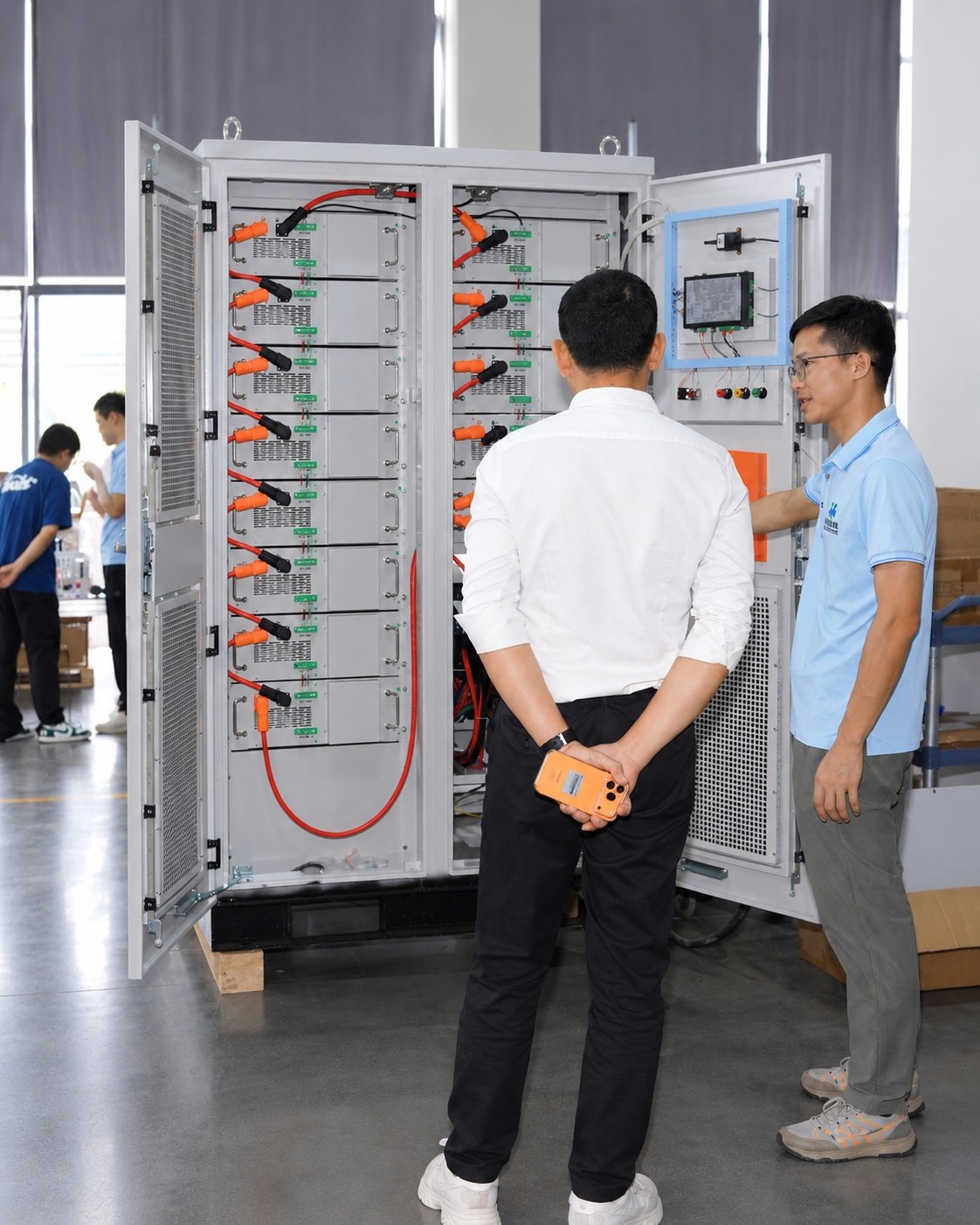
Use FAT and SAT to verify more than the presence of boxes. Select representative field-replaceable items and walk through identification, isolation, removal, installation, configuration and return-to-service testing. A full live replacement may not be safe or practical for every assembly, but the project can still verify access, tools, lifting points, configuration backups, procedures and responsibility.
Connect the exercise to the BESS FAT witness and fault-injection plan. Confirm that the alarm and event records identify the correct failure domain, that a healthy redundant block continues as designed, and that the replacement does not erase evidence needed for root-cause analysis. Record the as-left firmware, settings and functional result.
A receiving inspection should confirm packaging, quantity, model, revision, condition and documentation. For programmed equipment, compare the controlled file or checksum. For instruments, verify calibration. For battery-related stock, follow supplier instructions for safe receipt and preservation. Quarantine any item that cannot be matched to the approved register.
Use Field Evidence to Adjust the Stock
The initial spare list is a controlled hypothesis. Review it after commissioning, recurring alarms, service campaigns, supplier notices, firmware changes and actual replacement events. Track demand, but do not rank criticality only by how often an item is consumed. A rarely used common-mode component can remain more important than a frequently replaced non-critical filter.
A joint Sandia and NREL PV-plus-storage O&M study used 14 interviews and questionnaires representing 51.1 MW and 64.1 MWh. The authors identified poor vendor reliability and parts availability among ongoing challenges. That sample does not establish a universal BESS failure rate, but it supports a disciplined review of actual site evidence, service performance and parts logistics rather than assuming the commissioning list will remain adequate for the full project life.
Record each use of a spare: fault cause, removed part identity, replacement identity, work duration, delay stages, tests, warranty disposition and replenishment date. Separate active repair time from waiting time. That distinction shows whether the next improvement belongs in diagnostics, technician training, warehouse stock, customs preparation, supplier allocation or design redundancy.
Budget Stock without Inventing a Universal Quantity
A fixed percentage of project value is not a reliable spare-parts budget. Two systems with the same power and energy rating can have different block sizes, component commonality, local service coverage and customs exposure. Build the budget from the criticality register and several restoration scenarios. For each candidate item, compare the cost of holding usable stock with the service consequence and credible waiting path if no stock is held.
The comparison should include more than purchase price. Consider controlled storage, inspections, insurance, calibration, conditioning, software maintenance and the risk that an item becomes incompatible before it is used. Against that cost, consider lost service, temporary operating restrictions, technician remobilization, expedited transport and the possibility that a minor fault prevents acceptance of another project milestone. Use project financial data rather than a generic cost-of-downtime claim.
Pooling can be efficient when multiple sites use a genuinely common and transportable component. Verify that the pool is reserved, quantities reflect simultaneous-event risk, each site can access it contractually, and the part revisions remain compatible. A supplier’s worldwide inventory is not equivalent to a regional pool unless allocation and dispatch rights are defined.
Use sensitivity analysis where lead time is uncertain. The project can compare local stock, regional stock and supplier dispatch under several documented logistics assumptions without presenting any one assumption as a fact. Record the source and date of quotations because routes, customs requirements and supplier capacity can change. The approved quantity should be a traceable commercial decision, not an unexplained integer in a tender schedule.
Plan for Obsolescence before the Warranty Ends
Control equipment and communications hardware can change faster than the planned life of the battery asset. Require notice of end-of-sale, end-of-support, security-support termination and any change that removes backward compatibility. The notice period should be linked to the time needed for engineering review, a last-time buy or an approved migration, rather than described only as “reasonable notice.”
An approved substitute needs more than the same connector. Review electrical characteristics, communication behaviour, environmental rating, protection interaction, firmware support, cybersecurity implications and the tests needed at plant level. Preserve the previous configuration and rollback method when software or settings must change. If the substitute changes the operating envelope or certification basis, route it through formal design and compliance review.
Decide who pays when a supplier-initiated obsolescence makes owner stock unusable. The answer may differ during warranty, a long-term service agreement and owner-operated life. Address unused stock, licence transfer, data migration, training and disposal. Without this allocation, the owner can pay twice: first for a recommended spare and later for the redesign required when that spare is no longer supported.
Build the RFQ around Deliverables, Not a Fixed Quantity List
| مخرج طلب عرض الأسعار | Supplier response should include | دليل القبول |
|---|---|---|
| Criticality assessment | Failure domain, service effect, redundancy and diagnostic path | Reviewed system architecture and consequence matrix |
| Recommended initial stock | Item, quantity basis, location and reason | Approved spare schedule tied to the final bill of materials |
| Compatibility schedule | Part numbers, revisions, firmware, settings and substitutes | As-built register and controlled files |
| Logistics map | Stock location, release authority, transport stages and customs documents | Named process with responsible parties |
| Preservation plan | Packaging, environment, inspection, SOC or conditioning requirements | Manufacturer instructions and maintenance tasks |
| Replacement procedure | Isolation, tooling, skills, configuration and safety controls | Approved work instruction and training record |
| Return-to-service test | Functional checks for each field-replaceable class | Witnessed representative exercise |
| Replenishment and obsolescence | Trigger, price basis, notice, end-of-sale and approved-substitute process | Contract clause and change-control workflow |
| Warranty interface | Ownership of consumed stock and defective returns | Unambiguous warranty and title schedule |
| Periodic review | Data, frequency, participants and approval authority | O&M meeting and register revision process |
When shortlisting a نظام تخزين طاقة تجاري وصناعي, compare the spare strategy alongside the equipment architecture and service offer. A lower initial stock cost can conceal a longer restoration path, while a larger list can include parts that the local team is not authorized or equipped to replace. Ask suppliers to explain the service consequence addressed by every item.
The Procurement Decision
A credible BESS spare parts strategy lets the owner answer five questions before a failure: which service is at risk, which compatible item is needed, where that item is held, who can install it, and what test proves restoration. If any answer depends on an informal promise, the outage exposure remains unresolved.
Approve the spare schedule only after the final architecture and bill of materials are controlled. Keep it live through inspections, configuration changes, warranty events and field evidence. The objective is not to maximize warehouse inventory. It is to remove avoidable waiting time without creating unsafe work, obsolete stock or unverified substitutions.