

يمكن لنموذج تدهور البطارية أن ينتج منحنى سلساً لعشر أو خمس عشرة سنة من مدخلات ضعيفة. قد تبدو النتيجة دقيقة بينما تخفي خلية مختلفة، أو درجة حرارة مفترضة، أو دورة واحدة يومياً، أو كفاءة ثابتة، أو نافذة تشغيل لن تتبعها استراتيجية التوزيع. ذلك المنحنى ليس توقعاً قابلاً للتمويل المصرفي.
يجب على المشترين من الشركات إلى الشركات (B2B) التعامل مع التدهور كحزمة أدلة: هوية المنتج، وبيانات الاختبار، ومعادلات النموذج، وملاءمة المعاملات، ودورات التشغيل، والظروف البيئية، وعدم اليقين، والتحقق، وضبط التغييرات. الهدف ليس الحصول على رقم واحد لـ“التلاشي السنوي”. بل فهم قرارات التشغيل التي تحرّك الطاقة القابلة للاستخدام المتوقعة وتاريخ الاستبدال.
حدّد المخرجات قبل طلب المدخلات
حدّد ما يجب أن يتنبأ به النموذج: سعة الخلية، وطاقة التيار المستمر، والطاقة القابلة للاستخدام بالتيار المتردد، وقدرة الطاقة، والمقاومة، والكفاءة، والتوافر، أو محفّز الاستبدال. حدّد الخطوة الزمنية، وأفق المشروع، ومعالجة الاحتمالات أو الثقة، وفترات الإبلاغ. قد يتعلق الضمان بطاقة التيار المتردد عند قدرة محددة بينما يتنبأ نموذج الخلية بسعة الأمبير-ساعة؛ ويجب أن يكون التحويل بينهما صريحاً.
بحث سانديا لعام 2026 حول تلاشي الطاقة مقابل تلاشي السعة يُفيد بأن القياس القائم على الطاقة يمكن أن يحسّن التنبؤ بالعمر مقارنة بالسعة وحدها. حدّد أي مقياس يدعم قرارات الإيرادات والضمان والتعزيز في المشروع، ثم اشترط أن يحافظ النموذج على كميات السعة والجهد والطاقة الأساسية بدلاً من تحويلها بشكل غير مرئي.
ضع حدوداً للقرار. تشمل الأمثلة التاريخ الذي تنخفض فيه الطاقة القابلة للاستخدام دون مستوى متعاقد عليه، أو عندما لا يعود محوّل الطاقة (PCS) قادراً على الحفاظ على القدرة للمدة المطلوبة، أو عندما يكون للتوسيع تكلفة دورة حياة أقل من خفض التصنيف الإضافي. أبلغ عن حساسية ذلك التاريخ للتشغيل ودرجة الحرارة وتباين الخلايا.
| مخرجات النموذج | الحدود المطلوبة | قرار المشتري |
|---|---|---|
| تلاشي السعة | أمبير-ساعة الخلية/الوحدة عند ظروف اختبار محددة | المقارنة التشخيصية والضمانية |
| تلاشي طاقة التيار المستمر | الطاقة المتكاملة بالجهد بين حدود التيار المستمر | قدرة كتلة البطارية |
| الطاقة القابلة للاستخدام بالتيار المتردد | معالجة PCS/الأحمال المساعدة/المحوّل | مدة الخدمة والضمان |
| تلاشي القدرة | حدود الجهد والمقاومة والتيار | قدرة الذروة والخدمات المساندة |
| الكفاءة | حدود القدرة ودرجة الحرارة والكهرباء | الإيرادات والحمل الحراري |
| تاريخ الاستبدال | العتبة والاحتمالية ومهلة التنفيذ | خطة التوسيع والميزانية |
| تكلفة التدهور | الضرر التراكمي واقتصاديات الاستبدال | قيد التوزيع |
أثبت أن مدخلات الخلايا تتطابق مع المنتج المعروض
سجّل الشركة المصنّعة للخلية، والطراز، والكيمياء، والشكل، ومراجعة التصميم، ونافذة الإنتاج، ودفعة التأهيل. اطلب بيانات التقادم من خلايا تمثيلية، مع طريقة الاختبار والنتائج الخام أو المفصلة بما فيه الكفاية. “بيانات LFP” ليست خاصة بالمنتج؛ فتصميم الأقطاب والتحميل والإلكتروليت والتشكيل وتباين التصنيع تؤثر جميعها على التقادم.
يجب أن تغطي تغطية الاختبار نطاق حالة الشحن (SOC) للمشروع، وعمق التفريغ، ومعدل الشحن/التفريغ، ودرجة الحرارة، وظروف السكون والتخزين. حدّد المناطق المستقرأة. يمكن للاختبارات المعجّلة دعم ملاءمة المعاملات، لكن يجب على المورّد شرح علاقة التسريع والتحقق منها مقابل ظروف أقرب إلى التشغيل الفعلي.
مستودع سانديا العام لبيانات البحث والتطوير في تخزين الطاقة يوضح قيمة مجموعات بيانات التدهور والسلامة الخام مع الاستشهادات الموثقة. يمكن للبيانات العامة أن تقيس المنهجية والمعقولية؛ لكنها لا تحل محل الأدلة الخاصة بالمنتج عندما يدّعي النموذج التجاري أداءً لخلية معينة.
اشترط قاعدة استبدال. إذا تغيّر مورّد الخلية أو مراجعتها، يجب على مالك النموذج مقارنة الخصائص الفيزيائية والكهروكيميائية واختبارات التقادم والتحقق. يقرر المالك ما إذا كان التوقع الحالي يظل قابلاً للتطبيق، أو يحتاج إلى إعادة ملاءمة المعاملات، أو يتطلب خط أساس جديد.
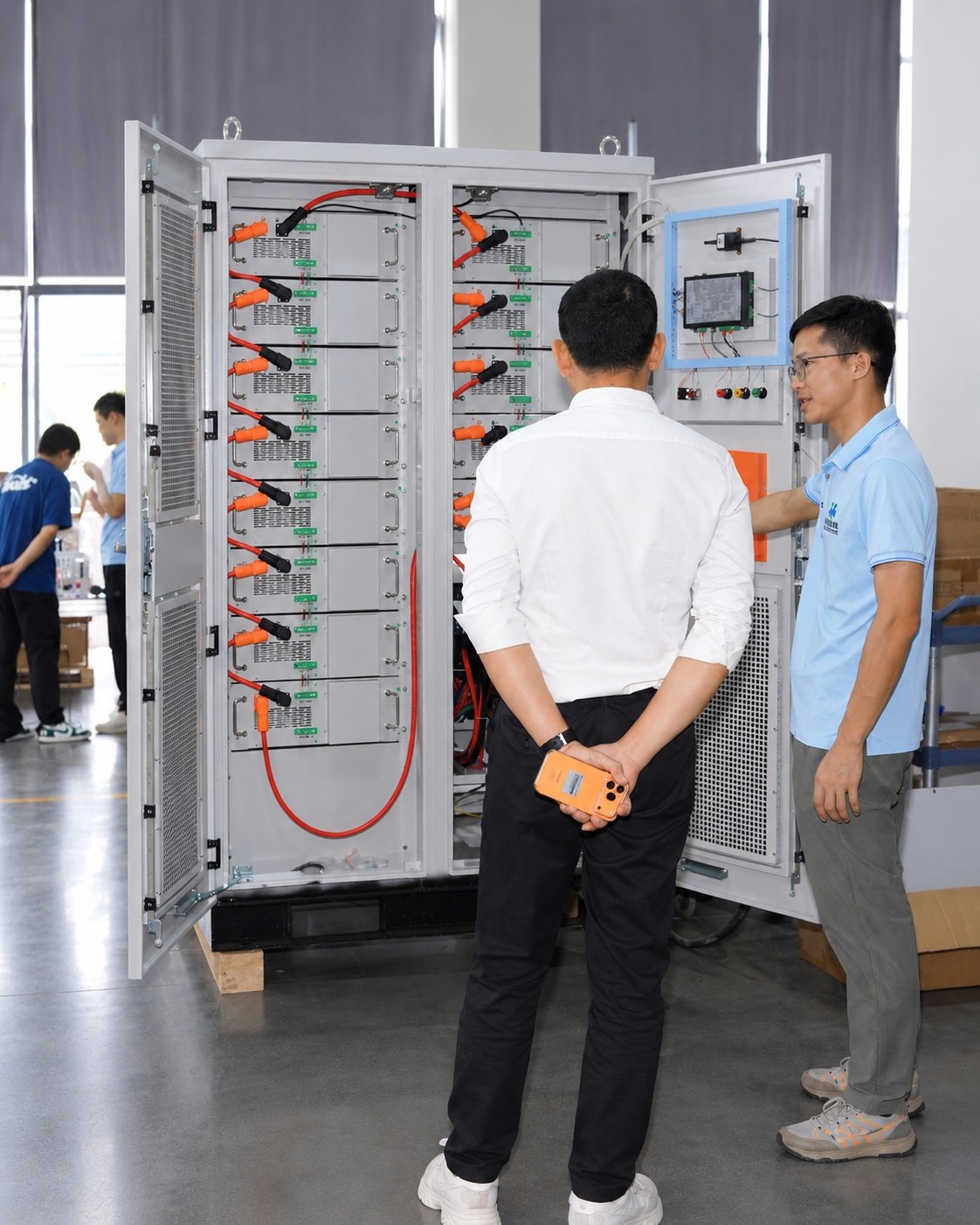
افصل بين التقادم التقويمي وإجهاد الدورات دون ازدواج في العد
يعتمد التقادم التقويمي على الوقت المنقضي وظروف التخزين، والتي تشمل عادةً درجة الحرارة وحالة الشحن. يعتمد تقادم الدورات على حركة الطاقة أو الشحن، والعمق، والمعدل، ودرجة الحرارة، والمسار. يجب أن يوضح النموذج ما إذا كانت هذه المكونات تُجمع أو تُضرب أو تتفاعل أو تستخدم صيغة أخرى. تجنّب تطبيق تلاشٍ تقويمي سنوي عام فوق نموذج مُلاءم يتضمن بالفعل تأثيرات الوقت عند حالة الشحن.
تقرير PNNL حول صيغ نموذج تسوية السوق ومحاكاة التوزيع يعرض صيغة واحدة لتكلفة التدهور مع عوامل الدورات والحرارة وحالة الشحن والعمق. وهو مثال على كيفية دخول متغيرات التشغيل في نموذج اقتصادي، وليس مجموعة معاملات عالمية. يجب أن تأتي مدخلات المشروع من البطارية المختارة وأن تُتحقق من صحتها لتشغيلها.
حدّد عدّ الدورات. يمكن لطرق Rainflow أو ما يعادلها استخراج دورات بأعماق مختلفة من مسار حالة شحن غير منتظم؛ ويمكن لعدّ الدورات اليومي البسيط أن يمثّل بشكل خاطئ التنظيم الضحل والدورات الجزئية. وضّح كيفية معالجة كفاءة الشحن والتفريغ، والسكون، والدورات الدقيقة، والدورات غير المكتملة. قدّم مسار حالة شحن مرجعي مع العدد المتوقع حتى يمكن مقارنة الأدوات المختلفة.
نمذج درجة حرارة الخلية، وليس درجة الحرارة المحيطة وحدها
يقود الطقس المحيط حمل الحاوية، لكن درجة حرارة الخلية تعتمد على تحكم التدفئة والتهوية والتكييف (HVAC)، وتوليد الحرارة، وهندسة الوحدة، وتدفق الهواء أو التبريد السائل، وموضع المستشعرات، وموقع الرف. استخدم نموذجاً حرارياً أو علاقة مقاسة تحوّل طقس الموقع والطاقة إلى توزيع درجة حرارة الخلية. يجب تصنيف افتراض 25°م الثابت على أنه كذلك واختباره مقابل الحالات الساخنة والباردة.
سجل DOE/OSTI لـ multi-year commercial lithium-ion cell study reports that chemistry, discharge rate, depth of discharge and environmental temperature materially affected degradation. Do not transfer its numeric results to a commercial product without evidence; use the study to ask whether the proposed model separates chemistry-specific stressors and validates the operating profiles relevant to the project.
Include cooling degradation and outages. Filter loading, pump performance, refrigerant loss, blocked airflow or control changes can raise cell temperature without changing ambient conditions. Connect assumptions to the BESS liquid-cooling leak detection plan and maintenance evidence. State what thermal derating or shutdown prevents operation outside the modeled range.
| Input family | Minimum resolution | Uncertainty/sensitivity |
|---|---|---|
| SOC trajectory | Time series preserving fast service movement | Estimator bias and recalibration |
| Cell temperature | Representative rack/module distribution | Hot spots, sensor error and HVAC outage |
| Current/C-rate | Charge/discharge direction and peaks | PCS limits and parallel imbalance |
| Depth/cycle count | Irregular partial-cycle method | Counting algorithm and microcycles |
| Rest/storage | Time at SOC and temperature | Construction and outage periods |
| Cell variability | Lot and within-pack distribution | Weakest-block versus average behavior |
| Efficiency/auxiliaries | Power- and temperature-dependent | AC usable-energy boundary |
| Availability/replacement | Block status and serial history | Mixed-age fleet treatment |
Use the Real Dispatch Profile and Its Alternatives
Build representative time series for each contracted service and combine them through the approved priority logic. Include energy shifting, peak shaving, regulation movement, reserve activation, backup SOC, reactive support and recovery. Use the BESS dispatch-priority framework so the degradation case reflects the commands the EMS will actually accept.
Study at least expected, conservative and stress cases. Vary weather years, price signals, load/PV forecast error, service activations, outage time, unavailable blocks and SOC policy. Avoid presenting the conservative case as a statistical percentile unless the sampling and probability model support that label.
Include pre-operation storage and commissioning. Months at high SOC and high temperature can consume calendar life before commercial operation, while repeated commissioning cycles add throughput. Assign exposure to the responsible project phase and update the operational forecast with the accepted site baseline.
Represent Variability and Weak-Block Limits
A plant does not age as one average cell. Manufacturing spread, thermal position, current sharing and balancing cause different trajectories. Usable energy may be limited by the first module reaching voltage or temperature limits. Include cell or block variability through distributions, representative worst positions or calibrated derating, and disclose the method.
استخدم BESS cell-imbalance acceptance process to update model assumptions when persistent outliers appear. Do not tune the model to hide a weak module. Separate normal spread from a defect or replacement event, and preserve serial-level data.
At augmentation, model old and new blocks separately. They can have different capacity, impedance, efficiency, SOC calibration and thermal behavior. A single blended SOH may predict plant energy while missing the operational limit imposed by mixed blocks.
Validate with Bench Data and Field Baselines
Split parameter-fitting data from validation data. Show how the model performs on duty profiles it did not fit, across relevant temperatures and SOC. Report residuals and bias over time, not only a final capacity point. Document where extrapolation begins and how uncertainty expands beyond tested conditions.
تُعد 2026 Energy Storage Safety and Reliability Forum included field performance, degradation trends and diagnostic research, reflecting the industry’s move toward operational evidence. Use site performance tests and continuous telemetry to update—not casually rewrite—the project forecast.
Connect validation to the BESS SOC warranty audit. Field data need stable definitions, quality flags, meter boundaries and configuration history. A model cannot be validated against a historian that silently interpolates gaps or changes the SOC basis.
Make Uncertainty Visible in Commercial Decisions
Report a range or distribution when inputs support it. Separate parameter uncertainty, future duty uncertainty, weather uncertainty, measurement uncertainty and model-form error. Sensitivity charts should show which assumptions move the replacement date or guaranteed energy most. A broad range is more useful than false precision when it identifies the data that would reduce uncertainty.
Do not convert an expected degradation curve directly into a firm warranty without margin and remedy design. The commercial guarantee, operating policy, augmentation budget and forecast can use different risk levels, but their relationship should be stated. Record which party owns dispatch risk and which inputs trigger a price or scope adjustment.
استخدم قائمة مراجعة مشتريات BESS التجارية to place model delivery, parameter support, update rights and augmentation interfaces into the contract. Require editable inputs or a documented service path that remains available for the project life.
Normalize Data before Fitting or Updating the Model
Define units, reference capacity and sign conventions. C-rate may use nameplate capacity, current measured capacity or a supplier reference; those choices diverge as the battery ages. Temperature can mean chamber air, cell surface or internal estimate. SOC may be a BMS estimate or a normalized laboratory charge balance. The parameter file should identify each basis and preserve any conversion.
Align time and remove only qualified bad data. Clock drift can pair current from one interval with temperature or SOC from another, distorting thermal and cycling stress. Keep a record of gaps, sensor failures, controller restarts and excluded periods. Filtering should reduce measurement noise without removing short high-rate or high-temperature exposure that contributes to ageing.
Distinguish cell test temperature from pack operating temperature. A chamber setpoint is not necessarily the cell core temperature during cycling. Record sensor location, stabilization, current profile and thermal lag. If field data use module sensors while laboratory data use cell surfaces, document the mapping and uncertainty rather than treating the channels as identical.
Normalize capacity and energy tests to the agreed reference conditions before comparing ages. If correction is not supported by validated data, present the measured result with its conditions instead of inventing an adjustment. Changes in cutoff voltage, rest time, discharge rate or auxiliary treatment can look like degradation even when the cells have not changed.
Govern the Model as an Operational Asset
Assign an owner for equations, parameters, input pipelines and released forecasts. Store model version, code or tool version, parameter set, source data, duty scenario and output hash. A forecast used for financing should remain reproducible after the model has been improved. Do not overwrite prior versions or silently back-cast new parameters into historical decisions.
Set update triggers and limits. Annual calibration, a reference performance test, unexpected fade, cell replacement, new dispatch service or HVAC modification may justify review. Updating every parameter to match a small amount of field data can overfit noise and destroy the independent validation basis. Define which parameters may change, the minimum evidence and the approval required.
Compare forecasts with observations using more than one metric. Track usable energy, resistance or voltage behavior, efficiency, temperature distribution and early cutoff. A model can match total energy for the wrong physical reason and then fail under a new duty. Investigate systematic residuals by operating region instead of adjusting a single fade multiplier.
Document retirement of a model. When a supplier changes tools or support ends, provide the final executable or agreed interface, parameter dictionary, validation package and migration method permitted by licensing. Long-term projects should not lose the ability to understand an augmentation forecast because a proprietary service was discontinued.
| بوابة الإصدار | الدليل المطلوب | سؤال القبول |
|---|---|---|
| Bid model | Output definition, cell identity and preliminary duty | Is comparison across bids like-for-like? |
| Design model | Test-derived parameters, thermal model and dispatch cases | Does it match the offered system? |
| Validation | Independent profiles, residuals and limits | Where is the model reliable? |
| Uncertainty | Ranges, sensitivities and extrapolation | Which assumption drives risk? |
| Site baseline | Accepted capacity/energy and configuration | Has pre-COD exposure been included? |
| Annual update | Telemetry, tests, replacements and revised duty | Are changes evidence based? |
| Augmentation decision | Threshold, lead time, interface and economics | Can capacity be restored before obligation? |
| التحكم في التغييرات | Cell, firmware, HVAC and model-version review | Is prior forecast still applicable? |
A professional degradation model is not the curve with the most decimal places. It is the model whose outputs answer a defined decision, whose parameters match the delivered cells and thermal system, whose duty reflects real dispatch, whose uncertainty is visible, and whose field updates preserve the original evidence.