
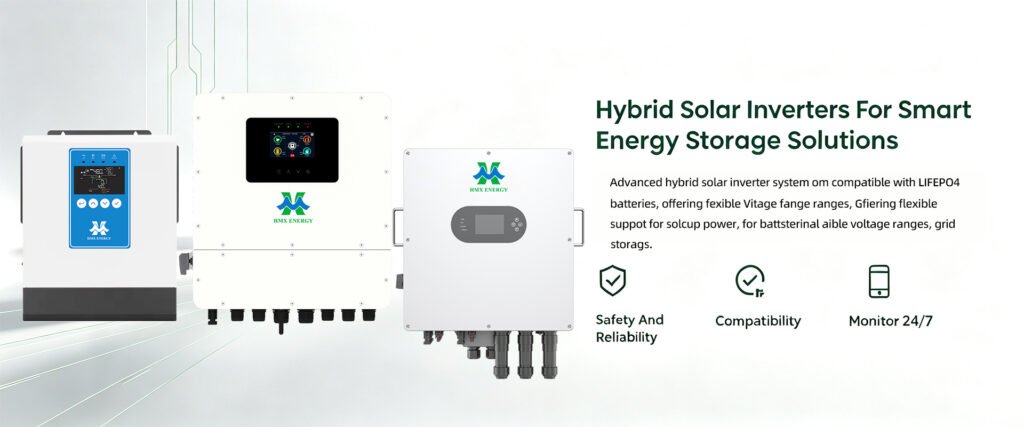
An IP rating describes enclosure protection under defined tests. It does not certify that an inverter can be installed anywhere with no shelter, drainage, temperature review or cable-entry controls.
For buyers, the useful question is not simply “IP21 or IP65?” It is whether the selected enclosure and installation method match the actual exposure and the manufacturer’s instructions.
For a concrete equipment-level review, apply the checks above to the solar inverter range and request confirmation for the intended site conditions and operating mode.
Why an IP label does not settle the site design
These are the practical objections and failure modes most likely to stop approval, delay commissioning or create an avoidable service call for Solar distributors and EPC installers.
- Cable glands, openings or field modifications can invalidate enclosure protection.
- Direct sun, salt, insects, condensation and flooding are not defined by IP65 alone.
- Indoor equipment is installed in a room with inadequate heat removal.
Questions the buyer should ask before approval
- What exact enclosure was tested and with which accessories?
- What environmental exposures exist at the mounting position?
- How will heat, drainage and maintenance access be managed?
Enclosure selection follows the same site-first logic used in the wall- versus floor-mounted battery installation guide: the mounting surface, clearances, water path and service access must be defined before equipment is selected.
Direct answer: Classify the mounting location before selecting the product. Record direct rain, wind-driven spray, dust, insects, condensation, sunlight, ambient temperature and access for service.
Research review date: 30 September 2026. Quantitative statements are tied to the linked source and should be rechecked if procurement occurs later.
For specification and acceptance work, IEC 60529 IP Code provides an independent reference. IEC 60529 is the reference for enclosure ingress-protection classifications. An IP rating describes tested enclosure protection; it does not by itself approve an installation site.
Start with the installation environment
For Solar distributors and EPC installers, the first task is to turn the intended service into measurable inputs and acceptance limits. The following table keeps the decision tied to evidence instead of a broad product label.
| Item | IP21 planning view | IP65 planning view |
|---|---|---|
| Typical location approach | Protected indoor or suitable enclosure | Greater dust and water-jet protection |
| Direct weather | Avoid unless approved protection is provided | Still follow mounting and weather instructions |
| Cable entries | Maintain required enclosure protection | Correct glands and sealing are essential |
| Heat rejection | Room ventilation may matter | Solar gain and outdoor ambient may matter |
| Maintenance | Keep vents and room clean | Inspect seals, glands and heat paths |
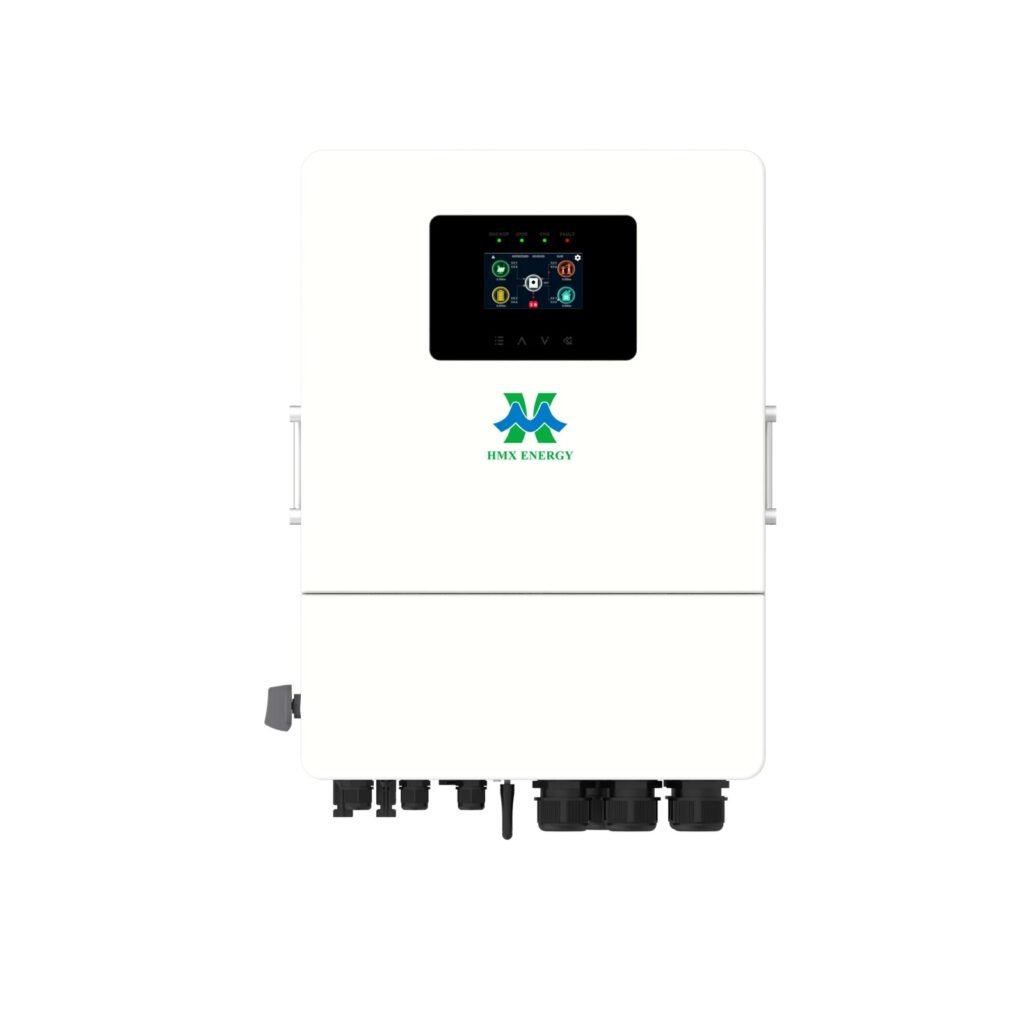
The same evidence and acceptance questions can be used when assessing HMX’s IP21 solar inverters; catalogue information should be reconciled with the controlled quotation and drawings.
Before design freeze, the project team should review IEC 62109-2 inverter safety scope. IEC 62109-2 addresses safety requirements for photovoltaic inverters, including protection against electrical, thermal, fire and mechanical hazards.
Match enclosure protection with mounting and cable entry
The commercial offer should state its assumptions, exclusions and measurement boundary. Buyers can then compare systems on the same basis and keep later design changes under document control.
| Site observation | Risk | Design response |
|---|---|---|
| Direct sun | Higher internal temperature | Shade where permitted and check derating |
| Salt or industrial air | Corrosion | Confirm material and corrosion protection |
| Flood-prone wall | Water exposure from below | Raise or relocate equipment |
| Dusty workshop | Blocked heat paths | Cleaning plan and suitable enclosure |
| Tight cupboard | Heat accumulation and poor access | Provide clearance and ventilation |
Action points for the project team
- Verify the exact IP rating on the model data sheet and nameplate.
- Use cable glands, unused-entry plugs and conduit methods that preserve enclosure protection.
- Check temperature derating at the installation position.
- Do not present IP65 as proof of submersion, flood resistance or unlimited outdoor life.
For the final evidence review, use NREL PVWatts Calculator as a source check. PVWatts estimates grid-connected PV energy production from location and system inputs. It is useful for the PV side of a study, but it does not replace interval-load and outage analysis for battery sizing.
Translate the enclosure rating into a complete site assessment
Review the tested enclosure, orientation and accessories named by the manufacturer. Field-drilled holes, unsuitable glands, open conduits or damaged seals can change the protection achieved after installation. Cable entries should be selected and installed for the conductor size, enclosure material and exposure, with unused openings closed correctly.
A related HMX reference is the IP65 solar inverters. Use it to frame the next supplier discussion, then record project-specific deviations before ordering.
Outdoor suitability also depends on ultraviolet exposure, direct solar heating, condensation, corrosive atmosphere, insects, drainage, flooding and mechanical impact. Indoor suitability depends on room temperature, ventilation and dust management. These factors should be recorded separately instead of being compressed into a single IP21 or IP65 choice.
For current market and policy context, review ASEAN electrical-safety assessment for PV and BESS. The ASEAN Centre for Energy finds uneven adoption and enforcement of PV and BESS safety standards across the region and recommends closer alignment with international standards.
Commissioning should include enclosure inspection, gland torque where specified, protective-earth checks, airflow clearance and photographs of completed entries. Maintenance instructions should state how seals, filters, fans and corrosion are inspected. Any cleaning method must remain compatible with the enclosure and electrical safety instructions.
Project workflow
- Confirm the rating and installation conditions for the exact model.
- Survey heat, water, dust, salt, sun and impact exposure.
- Approve entries, clearances, drainage and ventilation details.
- Inspect enclosure integrity during commissioning and scheduled maintenance.
Record the installed IP boundary
Compatibility and safety depend on the equipment as installed, not only on a catalogue selection. Preserve model and firmware identifiers, wiring and protection drawings, physical clearances, settings and test conditions. Later service work should begin from this baseline and record every approved change.
Buyers defining the initial scope can compare these requirements with HMX’s 16kW IP65 hybrid inverter. The page is a product or project reference; final suitability still requires a written project specification.
- Named equipment, firmware, accessories, cables and communication settings.
- As-built electrical and physical drawings with isolation points identified.
- Commissioning results for normal operation, limits and selected failure states.
- Backups, photographs, change log and a technician recovery procedure.
After service or firmware work, compare the returned system with the approved baseline and repeat affected tests. This makes later troubleshooting faster and prevents an undocumented field change from invalidating a compatibility or safety conclusion.
Claim to Avoid
Avoid the claim that one rating or certificate answers every installation question. State the tested scope and the remaining project checks.