
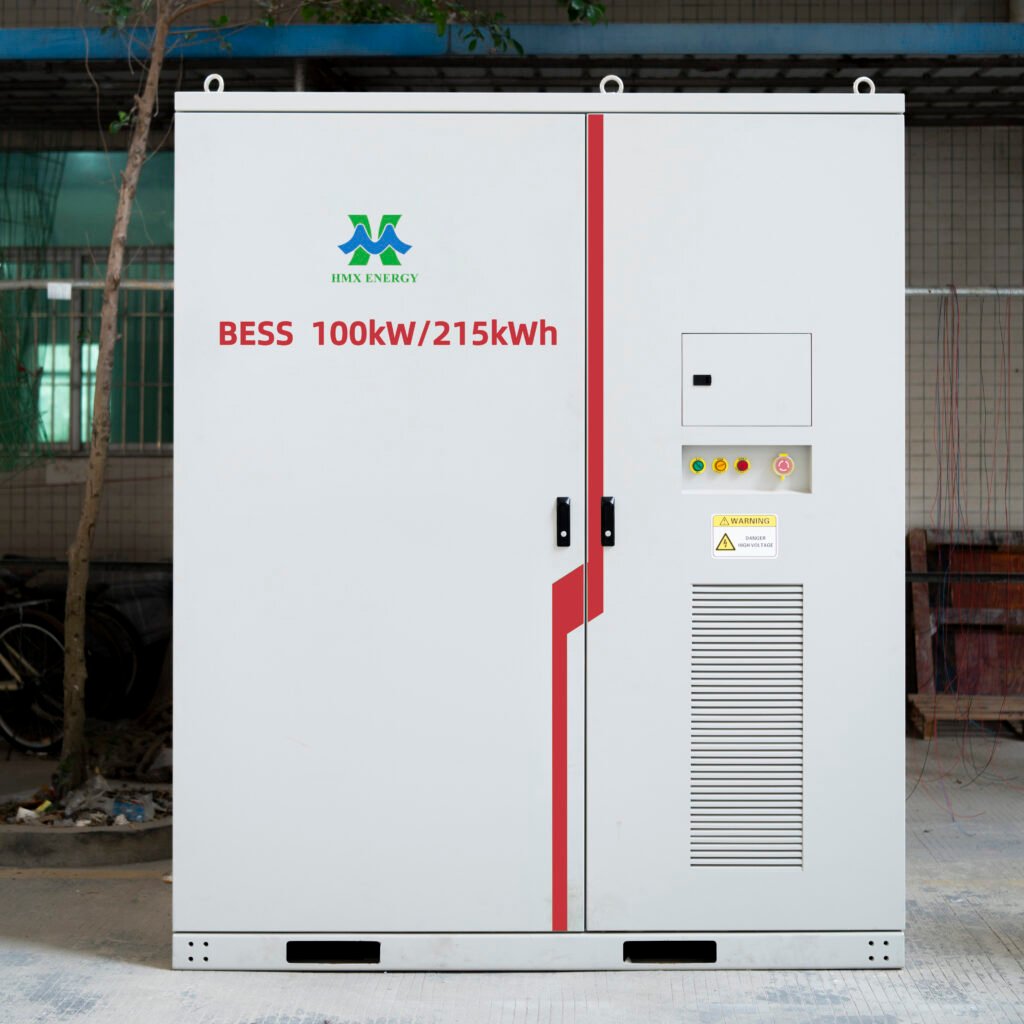
“Compatible with a diesel generator” is not a complete integration specification. A BESS diesel generator integration plan must identify which equipment establishes the island’s voltage and frequency, how power is shared, and what happens when a controller, generator or communication link becomes unavailable.
The difficult part is often not the normal steady operating point. It is the change between operating states: starting a generator on a live bus, releasing a battery from frequency-control duty, charging while factory loads change, or recovering after a failed start. Write those sequences before the equipment order, while responsibility can still be assigned clearly.
Assign control ownership for each state
Grid-forming capability and energy capacity answer different questions. A battery can have sufficient stored energy yet lack the approved control mode or auxiliary supply needed for an islanded system. Likewise, a generator that establishes an island does not prove that every proposed inverter can operate stably alongside it.
Cummins’ microgrid integration training material emphasises feasibility, stability assessment and operating sequences. The document is hosted in a 2026 directory but originates from November 2024; its engineering framework should not be mistaken for a new 2026 regulation.
| Bedrijfsstatus | Decision to document | Evidence before approval |
|---|---|---|
| Utility available | Import/export authority and generator status | Approved dispatch and interconnection sequence |
| Battery-supported island | Source of voltage and frequency, if this mode is supported | PCS capability and complete island architecture |
| Generator-supported island | Battery operating role and power-sharing method | Generator and inverter control compatibility review |
| Generator joining a live island | Synchronisation, permissives and authority to close | Approved switching and protection design |
| Battery unavailable | Load shedding and remaining source capacity | Safe fallback sequence with named responsibilities |
The matrix does not require every project to offer every state. Unsupported states should be marked unavailable and excluded by the design. A simple, well-defined architecture is preferable to a sales proposal that implies capabilities not documented for the delivered configuration.
Onze BESS black-start and backup guide addresses recovery from a dead bus. The ownership matrix above goes further: it describes how the sources coexist after the bus is already energised.
Generator loading and battery charging share the same headroom
When the battery charges from the generator, its charging demand competes with the site’s other loads. An EMS should not request charging power based only on the battery’s maximum charge rating. Generator capability, existing load, transient margin and manufacturer operating limits must also be considered.
Do not use a universal minimum-loading percentage for every genset. Request the selected manufacturer’s operating restrictions, permitted low-load duration, maintenance implications and load-acceptance data. Then explain how the battery charging and dispatch policy respects them during the actual daily load pattern.
Victron’s generator integration FAQ illustrates how inverter-charger input limits and load-assistance behaviour can affect a generator application. These are product-specific examples, not settings to copy into an HMX system or evidence that an arbitrary generator-inverter pair is approved.
Reverse-power protection also needs explicit review. Reducing the factory load while PV and battery discharge continue can change power flow at the generator. The designer should coordinate measurements, generation curtailment, discharge limits and protection. Disabling protective functions to keep a test running is not an acceptable integration method.
Test the moments when the controller runs out of options
A useful acceptance test includes conditions where a preferred action cannot be executed: the battery cannot accept charge, a generator is not ready, or a demanded power level is outside available capability. The expected response must be agreed before testing so that a surprising result cannot be explained away after the event.
| Event | Expected behaviour to agree | Record to preserve |
|---|---|---|
| Large permitted load increase | Source response and any staged load acceptance | Voltage, frequency and source power on a common timeline |
| Load rejection | Generation reduction and protection coordination | Power-flow direction, commands and device states |
| Battery charge limit reached | Alternate response when storage cannot absorb energy | Charge limit, SOC and curtailment actions |
| Generator start fails | Retry, reserve use and controlled load shedding | Start request, status feedback and alarm sequence |
| Communication becomes stale | Defined local fallback without conflicting commands | Data quality, timeout and recovery authorisation |
Tests must be conducted through an approved, risk-assessed procedure. Some extreme disturbances belong in simulation or controlled hardware testing rather than on a live production site. Acceptance should specify which evidence comes from factory testing, modelling and site commissioning.
De National Laboratory of the Rockies’ controllable grid interface demonstrates the distinction between individual capabilities such as frequency control, black start and power-quality testing. A project’s claim should identify which capabilities were actually assessed, rather than treating one successful test as proof of them all.
Integration responsibility must not disappear between suppliers
A mixed-supplier project needs an interface owner. The generator supplier, PCS supplier, EMS integrator and switchgear designer may each provide valid component documents while no one accepts responsibility for the combined sequence. List each interface, required data item, control direction and test witness in the contract.
Gebruik de BMS, PCS and EMS responsibility guide to separate battery protection from supervisory dispatch. A supervisory command cannot override a battery protection limit simply because the generator needs another load.
When comparing commercial storage configurations, release the order only after the operating states, unsupported modes, protection review and acceptance records have named owners. The strongest proposal explains what happens when the preferred source cannot do its job, not only how the system operates when every device is available.