
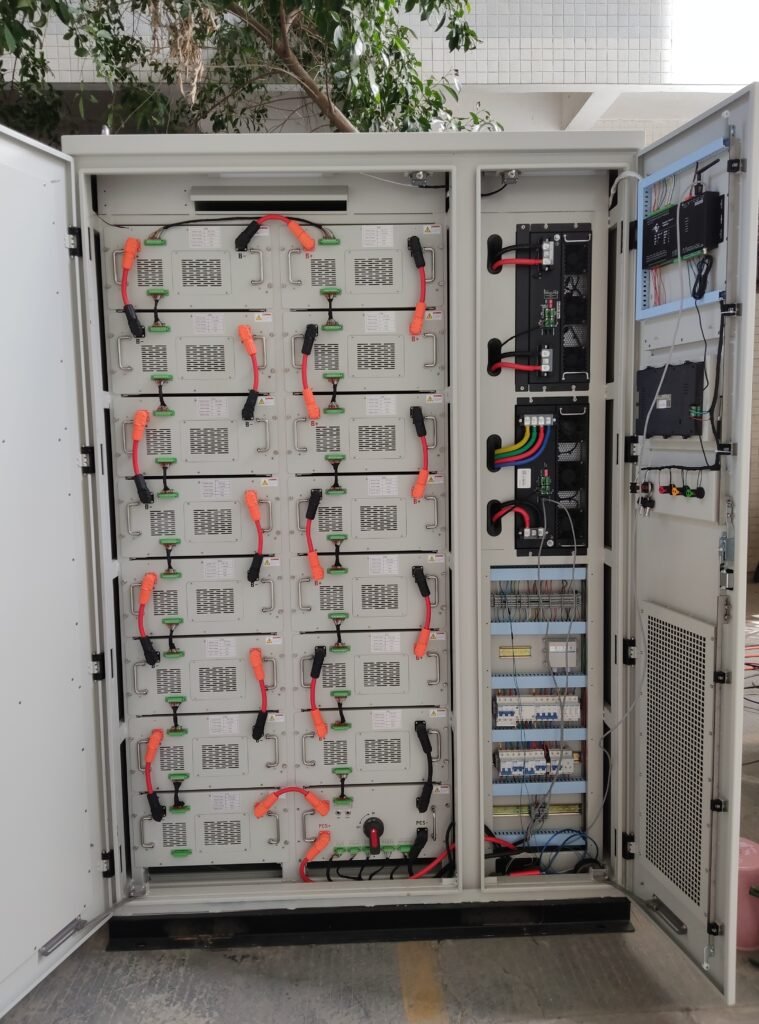
An IP rating is not a complete coastal BESS corrosion-protection specification. It does not tell a buyer which coating system protects cut edges, whether fasteners and adjoining metals are suitable together, or what happens when field service damages the finish. Those details can determine whether an outdoor cabinet remains serviceable at a salt-exposed site.
For an island resort, coastal industrial plant or port facility, start with a documented exposure assessment and then request evidence for the actual enclosure assembly. “Marine grade” without identified materials, test scope and maintenance conditions is too vague to compare across suppliers. This article sets out a procurement review, not a claim that any cabinet is suitable for every coastal location.
Describe exposure rather than relying on distance alone
Record the proposed location, shelter, prevailing exposure, splash risk, nearby process emissions and access for inspection. A site photograph and location plan are useful inputs, but they do not establish a universal corrosivity category. The responsible designer should decide what further environmental information is needed.
ISO 12944-2:2017 addresses environmental classification for protective painting of steel structures. ISO states that the edition was confirmed in 2023 and remains current. Its classification scope is useful for a coating discussion; it is not a complete battery-system qualification scheme.
Do not assume that a category assigned to a steel enclosure automatically describes the vulnerability of connectors, electronics or a cooling circuit. Build the requirement around the materials and interfaces present in the offered assembly. The exposure assessment should also distinguish normal weather from flooding or direct seawater contact, which need separate consideration.
The vulnerable details are not all on the front panel
| Location or interface | Pytanie zakupowe | Documented evidence |
|---|---|---|
| Painted panels and cut edges | Does protection cover finished edges and field penetrations? | Coating specification and approved repair procedure |
| Fasteners, hinges and latches | Are material selections compatible with adjoining parts? | Component material references and assembly details |
| Cable glands and connectors | What changes after installation and service access? | Approved entry system and as-installed inspection records |
| Cooling-unit interfaces | Are exposed heat exchangers and mounting interfaces included? | Environment limits for the actual cooling configuration |
| Plinth and drainage areas | Can water and contamination collect where inspection is difficult? | Installation details and maintenance access plan |
A certificate for painted sheet metal leaves these assembly questions open. Likewise, changing a hinge or a cable-entry component after testing can create a configuration that is not represented by the original evidence. Request a controlled bill of materials and a method for assessing supplier substitutions.
Rittal’s outdoor enclosure guidance distinguishes ingress protection from additional weather, corrosion and climate-control considerations. That distinction is a useful way to challenge a quotation that lists only an IP number under environmental suitability.
When reviewing commercial and industrial storage systems, ask the supplier to confirm the proposed environment in writing. Model family descriptions are not a substitute for the limits and options applicable to the specific configuration being ordered.
Read a salt-test report as a defined experiment
IEC 60068-2-52:2017 addresses cyclic salt-mist testing of components or equipment intended for salt-laden atmospheres. To assess a report, identify the specimen, method, conditioning, inspection criteria and results. A test-method reference alone does not show that the enclosure passed a relevant requirement.
Do not turn a laboratory exposure duration into a field-service-life claim. A report can support a specified assessment without establishing how many years a complete battery system will last at a particular coast. Exposure, materials, maintenance and installed details still matter.
ISO 9227:2022 defines salt-spray apparatus and procedures; ISO lists a 2024 amendment. Its scope does not prescribe a product-specific exposure period or result interpretation, and the method is not intended to predict long-term corrosion resistance. Buyers must therefore agree the product requirement rather than inventing a universal passing duration.
| Dowody | Useful conclusion | Conclusion to avoid |
|---|---|---|
| Defined coating test | Performance of the identified specimen against stated criteria | Every enclosure detail has identical protection |
| Assembly environmental test | Results for the documented configuration and method | Any later component substitution is covered |
| Site environmental assessment | Requirements relevant to the installation location | Ogólna zasada dotycząca odległości od wybrzeża obowiązuje wszędzie |
| Historia inspekcji terenowych | Zaobserwowany stan w zarejestrowanych warunkach eksploatacji i narażenia | Nie są potrzebne przyszłe inspekcje ani naprawy powłoki |
Korozję, kondensację i chłodzenie należy rozpatrywać jako odrębne przeglądy
Te ryzyka wzajemnie na siebie oddziałują, ale dowody nie są wymienne. Raport dotyczący powłoki nie potwierdza kontroli wilgoci wewnętrznej. Uszczelniona szafa nadal wymaga odpowiedniego projektu termicznego, a inna architektura chłodzenia może wprowadzić inne odsłonięte interfejsy lub zadania konserwacyjne.
Use the Porównanie BESS chłodzonych powietrzem i chłodzonych cieczą Aby dokonać przeglądu architektury systemu, należy następnie zapytać o limity środowiskowe rzeczywistych komponentów zewnętrznych. Nie należy wnioskować o przydatności do stosowania w warunkach przybrzeżnych wyłącznie na podstawie tego, że moduły baterii wykorzystują chłodzenie cieczą.
Jakość wykonania instalacji zasługuje na własny punkt kontrolny. Przed odbiorem należy sprawdzić uszkodzenia powłoki powstałe podczas transportu, zatwierdzone przepusty kablowe, ścieżki przepływu wody oraz obszary niedostępne. Każda naprawa powinna być zgodna z udokumentowaną metodą dostawcy i zostać zarejestrowana, a nie ukryta przez nieudokumentowane kosmetyczne poprawki.
Należy zapewnić zgodność gwarancji z planem konserwacji
Umowa zakupu powinna określać wszelkie wyłączenia dotyczące warunków przybrzeżnych, wymagane inspekcje, dozwolone metody czyszczenia oraz obowiązki po stwierdzeniu uszkodzenia. Należy ustalić, kto dostarcza materiały do wymiany uszczelnień i naprawy powłok, w jaki sposób zgłaszany jest stan techniczny oraz kto decyduje, czy szafa może pozostać w eksploatacji.
Jest to lista kontrolna zamówień komercyjnych BESS Zapewnia szersze ramy zakupowe. Należy dodać ocenę narażenia, rejestr dowodów środowiskowych i obowiązki konserwacyjne jako nazwane elementy dostarczane w ramach umowy, a nie nieformalne wiadomości e-mail pozostawione poza ostatecznym zamówieniem.
Decyzja zakupowa powinna zakończyć się trzema jasnymi zapisami: jakie środowisko zaakceptował dostawca, jaką konfigurację obejmują dowody oraz co właściciel musi zrobić, aby zachować jej stan. Bez tych zapisów nawet imponujący raport laboratoryjny może pozostawić bez odpowiedzi najdroższe pytania projektowe.