
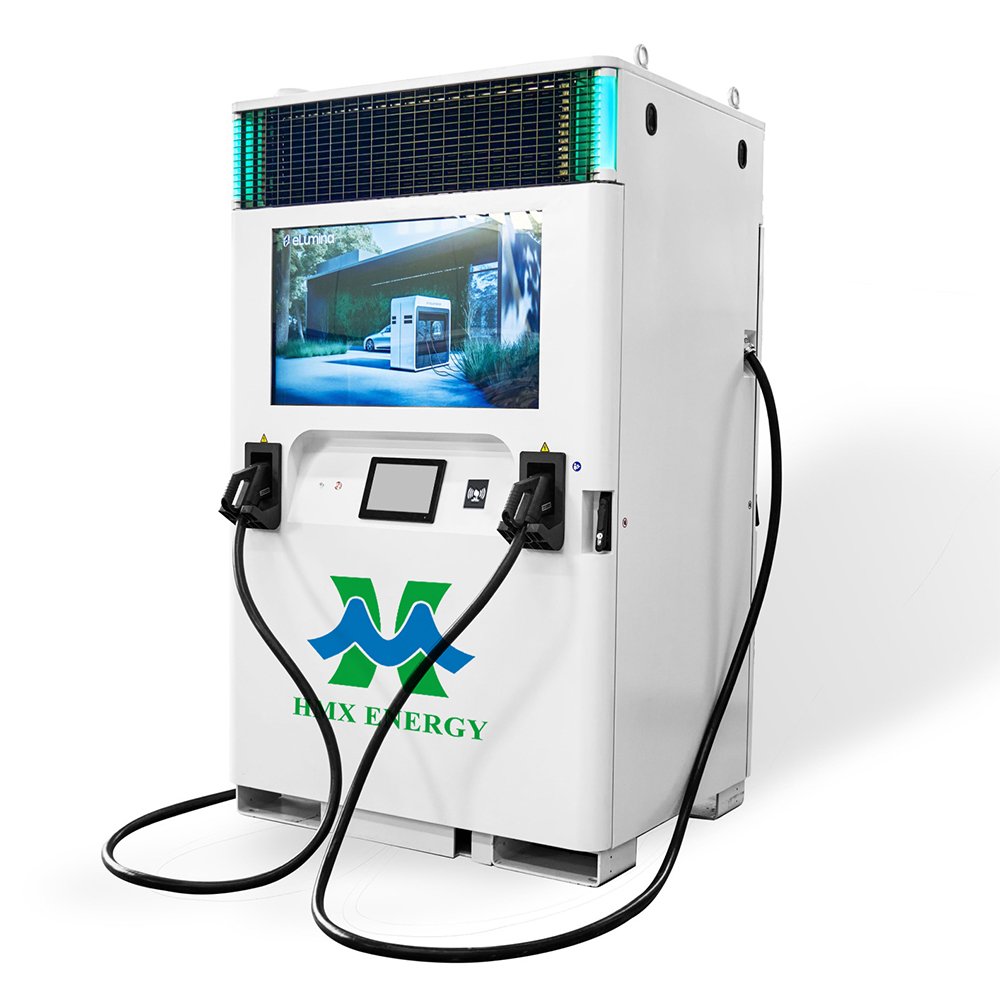
电动汽车充电BESS必须支撑下一个充电高峰,而不仅仅是第一个高峰。决定性的容量规划问题往往是:电池能否在繁忙时段之间恢复足够能量,同时遵守场站电网限制并持续为车辆提供服务。当补能机会过小时,更大的柜体仍可能是错误的解决方案。.
对于充电开发商、EPC或车队场站业主而言,这一区别影响排队长度、承诺服务、并网规划和投资。一个让每个模拟日都以满电电池开始的方案,可能掩盖正常运营期间累积的能量缺口。买家需要一个具有可信初始条件、并完整说明补能来源的时间序列模型。.
本指南聚焦于该补能窗口问题。在比较 HMX电动汽车充电设备, 时,请用它来界定应向系统设计方索取哪些证据。它不替代针对具体场站的电气设计、公用事业协议或当地审批,也不声称对所提议安装的任何实测性能。.
瓶颈可能在同一运营日内发生转移
在繁忙时段,约束可能是放电功率:充电桩请求的功率超过电网和可用发电所能供应的功率。在繁忙时段之间,约束可能变为充电功率或时间。之后,电池耗尽可能使可用能量成为限制因素,即使变流器具有足够功率。.
这些是不同的故障,需要不同的补救措施。增加电池能量可能延长繁忙时段,但无法创造并不存在的电力供应。更大的变流器只有在电网、电池和安装条件允许该充电功率时,才能缩短恢复时间。调整充电时段可能有助于具有灵活发车时间的场站,但在公共场站可能不可接受。.
先写下服务目标。明确哪些车辆必须获得何种服务、可接受的调度灵活性,以及当需求超过约定工况时的运营响应。将此与电价目标分开。将进口峰值保持在计费目标以下,与在受限连接下维持充电服务并非同一承诺。.
不要将储能视为充足输入能量的永久替代。它可以在时间上转移能量,但受损耗和限制约束。如果所需充电服务反复消耗的能量超过许可来源所能补充的能量,设计就需要改变服务、供应或发电安排。增加容量可以推迟该缺口,但无法解决它。.
从场站实际可进口的功率开始
电网输入并不简单等于变压器铭牌或充电桩额定输出。确定约定的连接限制、电气约束、其他场站需求以及任何控制器施加的运行目标。购物中心、工业场站或路边设施可能在没有电动汽车连接时存在与电池充电竞争的负荷。.
该 美国能源部AFDC关于电动汽车就绪的指南 建议公用事业参与并对电力可用性和所需升级进行场站级评估。其美国规划背景不应被误认为其他国家的规则。可迁移的采购教训是:在将储能报价视为完整场站解决方案之前,先核实可用供应。.
尽可能获取相关非电动汽车负荷的区间记录。将其时间戳与充电模型对齐,并识别记录是否包含现有充电桩或储能。否则,模型可能重复计算现有充电负荷,或将历史电池补能事件误认为建筑负荷。.
将物理限制和商业限制区分开来。批准的电气设计可能允许某一进口水平,但业主因电价原因不愿达到该水平。临时公用事业限制也可能不同于长期连接协议。记录每个建模时段适用哪一限制,以及谁有权授权变更。.
在打开电子表格之前划定计量边界
确定电网连接、共享交流母线、电池直流边界和车辆交付边界。充电桩输出额定值描述的是交付能力,不一定是其交流输入或车内存储的能量。电池能量额定值同样不直接说明经过转换和辅助消耗后有多少能量可到达电动汽车。.
对于 一体化储能充电单元, 时,索取能量路径图和所提议配置的匹配数据表。当前HMX列表描述最大输出180 kW,能量选项标称为100 kWh和200 kWh,而其较大版本说明指定为193 kWh。以书面形式确认确切供应额定值和可用边界;仅凭系列标签不是验收值。.
集成可以简化封装,但不会消除区分限制的需要。确认所述充电功率是共享总额还是每连接器能力、在何种电池和供应条件下适用,以及当连接车辆请求不同功率水平时会发生什么。可选连接器类型不能证明与特定本地车队的兼容性。.
| HMX列表 | 已发布输入 | 补能模型所需的澄清 |
|---|---|---|
| 一体化储能充电单元 | 最大输出180 kW | 共享输出分配、持续条件和来源约束 |
| 一体化单元能量选项 | 100 kWh / 200 kWh;较大版本说明193 kWh | 确切订购配置、额定能量和可用能量边界 |
| 液冷储能柜 | 额定功率125 kW;额定能量261.04 kWh | 匹配的电气规格和独立声明的充放电限制 |
| 液冷柜电池化学体系 | LFP | 批准运行条件、保护限制和特定型号性能证据 |
构建时间序列会话剖面,而非日平均值
按到达、连接、请求服务和离开约束来表示会话。尽可能使用实测场站记录,标明采集周期和任何缺失会话。在新场站,明确标注假设并测试其敏感性。预测不会因为被放入详细电子表格就成为观测到的充电剖面。.
车辆的充电功率可能在会话期间变化。除非所提议服务和车辆证据支持该剖面,否则不要全程赋予充电桩最大输出。将车辆交付请求与通过实际设备模型计算出的交流需求分开。.
包含重叠会话。日总量可能看起来可控,而若干到达事件造成放电功率缺口。反之,如果约定的运行策略限制并发充电,将每个连接器额定值相加可能夸大需求。同时展示请求服务和控制策略,而不是悄悄用其一替代另一。.
选择能保留对决策重要事件的时间分辨率。粗粒度平均可能掩盖短暂功率约束或移动表观恢复窗口。提高分辨率不能修复缺失或不可靠的输入数据。报告所选间隔为何充分,以及当重要事件被更精确表示时结果如何变化。.
在持续场站需求之后计算补能余量
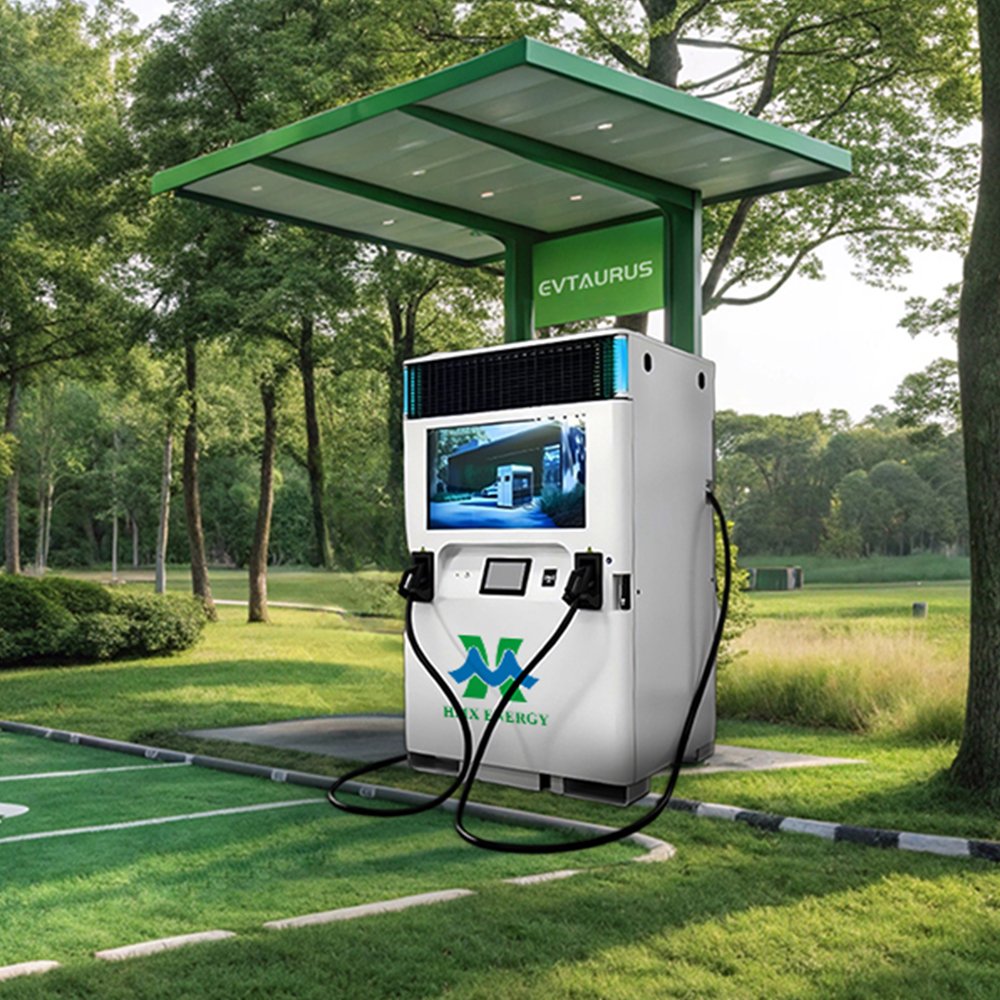
在共享交流边界,初步余量表达式为许可电网进口加上该边界可用发电,减去 concurrent 非电池负荷。正余量只是电池充电的可能来源。它仍必须通过变流器、电池、电气和控制约束。负余量表示在储能支撑或负荷管理之前存在缺口。.
使用一致的符号和单位。通过随时间累积功率计算能量,并声明交流与电池边界之间的转换。在详细模型中,充电和放电损耗需要分别处理。不要重复应用往返效率数字,或将其视为每个工作点的通用常数。.
该 SAM表后调度文档 区分充电来源许可、功率目标和SOC约束。它还指出当能量不可用时目标可能无法实现。使用这些概念来审查模型,而不是假设所报价的EMS实现了SAM的算法或其默认设置。.
For each interval, constrain charging by the available source, permitted charging power and remaining room in the approved battery operating window. Constrain discharge by the service deficit, deliverable power and available energy above the required reserve. These are proposed modelling checks, not new rated values for an HMX product.
Retain the source of each constraint. A BMS permission, a converter limit and a site import cap can produce the same reduced charge rate while requiring different remedies. An unexplained clipped power trace is insufficient evidence for choosing a larger battery.
Carry the battery state through the entire sequence
Check the model’s treatment of the upper and lower endpoints. A simple spreadsheet can accidentally accept energy above the usable ceiling or continue discharge below the agreed reserve. Log rejected energy and unmet demand explicitly. Otherwise, the reported balance may appear complete while the calculation has borrowed energy from outside the permitted operating window.
Also distinguish an energy-state model from the equipment’s SOC estimator. A modelled energy value and a displayed percentage are not interchangeable acceptance measurements. Ask how the supplied controller determines readiness and how its estimate is checked against the available operating records. The commissioning plan should reconcile those quantities sufficiently for the promised service, without demanding that a display itself prove measured usable capacity.
Update the available energy from the previous interval, using the declared energy admitted, energy removed and any explicitly modelled losses. Preserve the result into the next busy period. Do not reset the battery to full when the clock crosses midnight, when a chart changes page or when a representative day is repeated.
The initial condition must have a physical explanation. Commissioning might begin with a fully charged battery, but routine operation should begin from a state produced by the preceding duty or an agreed preparation procedure. Test whether the repeated sequence remains feasible without an artificial refill.
Compare the ending state with the starting state over repeated service cycles. A declining trend exposes replenishment that is insufficient for that sequence. A similar starting and ending state is useful but not a complete pass: a power limit or reserve violation inside the period can still have interrupted service.
Track unavailable service as a separate output. If the model reduces charger power to preserve SOC, record delayed or curtailed delivery and its effect on departure requirements. An attractive energy balance obtained by quietly failing the customer’s service objective is not a successful storage design.
| 输出 | 其所回答的问题 | What a favourable value cannot prove |
|---|---|---|
| Connection-point power trace | Was the applicable import target respected? | That every vehicle received its required service |
| Battery energy trajectory | Did recovery replenish successive service periods? | That converter power was sufficient throughout |
| Charge/discharge limit events | Which restriction changed actual power? | That adding nominal capacity resolves the cause |
| Vehicle delivery and departure outcomes | Was the contracted service completed on time? | That the tariff objective was met |
| Source and loss accounting | Can the energy balance be reconciled? | That assumed efficiencies are measured site results |
| Repeated-cycle ending condition | Does the duty depend on an artificial reset? | That untested weather or demand cases are covered |
Do not let solar generation become an undocumented refill
Use generation at the relevant boundary and time, not annual production divided into convenient daily blocks. PV output may coincide with charging demand rather than with the recovery opportunity. Energy already used by the building or delivered directly to vehicles is not also available to recharge the battery.
Identify whether the architecture is AC-coupled, DC-coupled or otherwise integrated, and apply the appropriate conversion path. A claim about recovering curtailed or clipped generation requires evidence that the proposed hardware, connection arrangement and controls can actually use that energy. A generic solar diagram does not establish it.
Test a relevant low-generation sequence without inventing a universal weather allowance. Use documented local data or clearly labelled design scenarios. Where the service relies on solar, report what the operator does if the expected recharge does not occur. Storage autonomy and replenishment reliability are related but different design questions.
Evaluate aging and temperature at the service boundary
当前 125 kW, 261.04 kWh cabinet listing provides a starting point for equipment discussion, not a promise of identical usable energy and power throughout the project life. Request the matched supplied specification, operating envelope and evidence for the planned duty.
Ask the supplier how the model changes with approved battery condition and ambient conditions. Do not insert a fixed degradation percentage or a temperature derating curve merely because another product uses it. Missing performance inputs should be recorded as open design risks.
Include auxiliary demand at its actual supply boundary. Cooling, controls and standby loads can matter during recovery, especially when charging headroom is already scarce. Keep any assumed consumption visible and replace it with configuration-specific data before commercial acceptance.
Apply the agreed reserve consistently. If backup service is part of the project, determine when that reserve is protected and when it may be used. The same stored energy cannot be fully committed to charging peaks and fully retained for backup at the same moment.
Separate a technically feasible model from a profitable one
Compare forecast-based dispatch with a less favourable but documented arrival sequence. If a controller knows every future session in the calculation but does not have that information on site, label the result as an optimistic scheduling case. Ask for the actual forecast inputs, update process and fallback policy. A service commitment should not depend on information the operating controller cannot obtain.
Distinguish controllable and non-controllable demand. A depot might reschedule selected vehicles with the fleet manager’s agreement; a public operator might only reduce power within its disclosed service policy. Do not assume all customers accept delay. Retain separate results for the original requested service and any revised managed-charging arrangement so commercial approval is informed.
Run the physical service check before presenting savings. A tariff optimizer might deliberately delay recharge because electricity is expensive, leaving insufficient energy for the next vehicle peak. Decide whether service readiness or cost minimization has priority when those objectives conflict.
该 SAM electricity-rate documentation distinguishes energy and billing-demand calculations and notes modelling limitations. Check the actual local tariff, including its measurement and billing rules. A software default or another market’s rate cannot support this site’s savings claim.
Use the same delivered-service basis when comparing alternatives. A storage proposal that serves fewer vehicles should not be presented as cheaper operation without disclosing that difference. Include relevant installed and ongoing costs using current project quotations; leave payback unresolved when those inputs are unavailable.
A useful comparison may include a grid upgrade, managed charging, a changed operating schedule and a storage solution. Do not assume storage is always the lowest-cost choice. The buyer needs the feasible alternatives and their evidence, not a calculation designed to make one architecture win.
Turn the model into witnessed acceptance cases
该 AFDC charging procurement and installation checklist includes utility coordination, metering, operating responsibilities and ongoing costs. For a storage-assisted project, extend that planning file with recharge-specific evidence. The checklist is a planning resource, not a certificate that a particular installation complies with local requirements.
Retain a configuration-controlled handover package. It should identify the final import target, charge-source permissions, reserve policy, charger allocation and software revisions. Include the approved means of changing those settings and the roles authorized to do so. Without that record, a later operating change can invalidate both the witnessed acceptance result and the model used to select the equipment.
After handover, compare observed recovery with the accepted case when service demand changes. More connectors, longer opening hours or a new building load may alter recharge headroom even if the battery remains healthy. Review the duty before blaming the cabinet for a shortfall created by a different site schedule.
Agree how the commissioned system will demonstrate source limits, recovery and repeated service. Use an approved test plan with safe loading or simulation arrangements where actual vehicle sessions cannot reproduce the required case. Identify which conclusions come from field observations and which still depend on a validated model.
Record the connection-point meter, charger delivery, battery state, charge permissions and control commands on an aligned timeline. Preserve the first limiting event when a case fails. Retesting after a configuration change should identify the new version rather than overwrite the original result.
该 storage-integrated charging specification guide covers the wider equipment interfaces. For recharge-window acceptance, add the exact starting condition, continuing site load, source availability, recovery endpoint and next-service requirement. Those details make the model’s central claim testable.
| 用例 | 所需证据 | Decision if the case fails |
|---|---|---|
| Busy period within approved duty | Grid, battery and vehicle-delivery traces | Identify power, energy or service-control constraint |
| Recovery with continuing site loads | Actual charging headroom and energy restored | Review supply, charge limits or operating schedule |
| Next busy period without manual SOC reset | Inherited starting state and completed service | Reject reliance on an undocumented refill |
| Restricted generation or forecast error | Approved scenario and recorded fallback response | Revise the service commitment or recovery plan |
| Metering or communications interruption | Safe fallback, event record and restoration sequence | Correct the controls before accepting the affected function |
The procurement decision should name the binding constraint
Require the designer to identify what sets the final size: peak discharge power, usable energy, recharge power, source energy, reserve or departure service. Ask how much the result changes when the uncertain inputs change. This is more informative than a single unexplained cabinet count.
For proposals using commercial and industrial storage equipment, retain the model, input provenance, matched equipment documents and acceptance criteria as part of the procurement file. Hardware selection should follow a defensible service calculation, not replace it.
A sound recommendation states what the equipment can support under the agreed conditions, what it cannot support and which operating action is required when conditions change. If the next peak depends on recharge that the site cannot deliver, address that constraint before ordering more nominal energy. The strongest charging-storage design is the one that can repeat its promised service.