
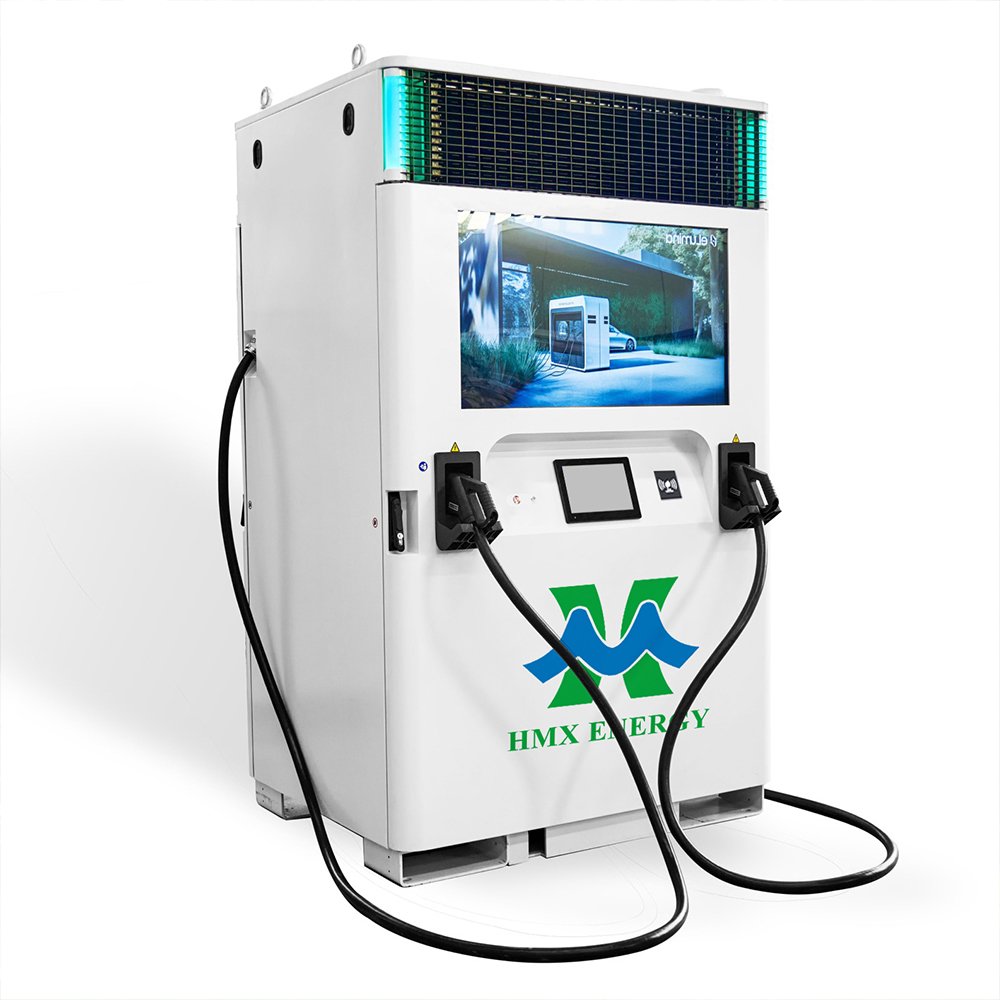
A battery can buffer a limited grid connection, reduce short demand peaks or coordinate solar with charging. It cannot create energy. If daily charger demand exceeds the energy available from the grid and on-site generation, storage only shifts the shortage.
The business case therefore starts with sessions, power and time, not the number printed on the charger nameplate.
The same evidence and acceptance questions can be used when assessing HMX’s energy-storage charging solutions; catalogue information should be reconciled with the controlled quotation and drawings.
The constraints storage cannot hide
These are the practical objections and failure modes most likely to stop approval, delay commissioning or create an avoidable service call for Charging operators, property owners and EPC firms.
- Daily charging energy exceeds what the grid and on-site generation can replenish.
- Low early utilisation is modelled as guaranteed mature-site demand.
- Charging support, demand control and backup all claim the same battery capacity.
Questions the buyer should ask before approval
- What do real or conservative session profiles show by time of day?
- Can the battery recharge without exceeding the grid limit?
- Which service has priority when objectives conflict?
If the commercial objective includes lowering billed demand, apply the interval-data method in the peak-shaving battery sizing guide before converting charger sessions into a storage rating.
Direct answer: Model individual charging sessions or realistic arrival groups. Combine charger limits, expected coincidence, grid import capacity, battery dispatch and recharge windows on one timeline.
Research review date: 4 October 2026. Quantitative statements are tied to the linked source and should be rechecked if procurement occurs later.
The U.S. Department of Energy battery-buffered charging guidance frames the decision as a local utilisation and tariff test: estimate projected charging demand, the grid limit, demand-charge reduction, software and maintenance cost, and whether the resulting savings justify the battery.
The technical comparison should also be checked against IEA Global EV Outlook 2026 charging analysis. IEA estimates more than 7 million public charging points at the end of 2025, after growth of more than 33% in one year; fast and ultra-fast points reached 2.2 million.
Build a session-level charging profile
For Charging operators, property owners and EPC firms, the first task is to turn the intended service into measurable inputs and acceptance limits. The following table keeps the decision tied to evidence instead of a broad product label.
| Input | Unit | Why it matters |
|---|---|---|
| Charger rating | kW per port | Maximum session power |
| Coincidence | Number or percentage of simultaneous sessions | Site peak |
| Session energy | kWh and dwell time | Daily energy demand |
| Grid capacity | kW at point of connection | Recharge and direct-supply limit |
| Tariff | Energy, demand and time periods | Operating cost |
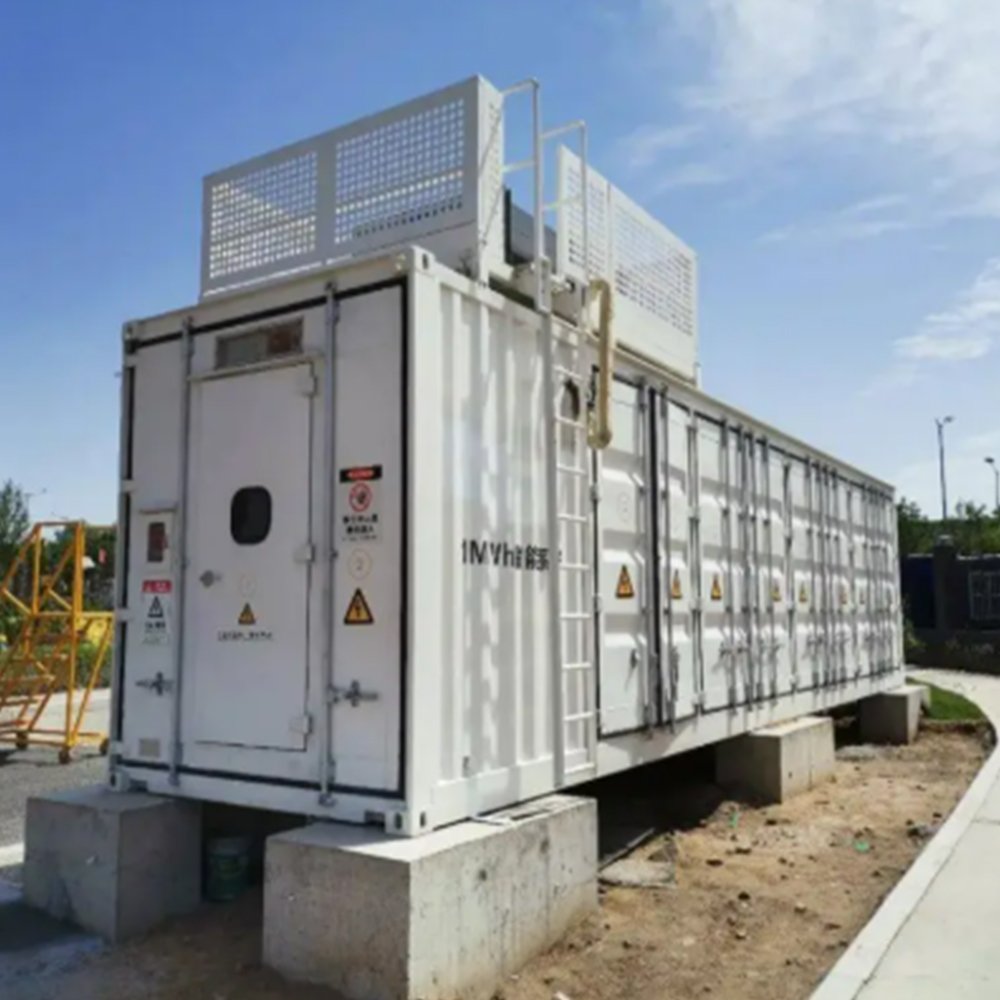
A related HMX reference is the 100/200kWh storage-integrated charging solution. Use it to frame the next supplier discussion, then record project-specific deviations before ordering.
For specification and acceptance work, IEC 61851-24 DC charging communication provides an independent reference. IEC 61851-24:2023 covers digital communication between DC charging equipment and electric vehicles for controlled DC power transfer.
Test the grid cap before choosing battery power
The commercial offer should state its assumptions, exclusions and measurement boundary. Buyers can then compare systems on the same basis and keep later design changes under document control.
| Storage objective | Control action | Limitation |
|---|---|---|
| Grid-capacity buffer | Discharge when chargers exceed import limit | Battery must recharge later |
| Demand-charge control | Cap measured grid demand | Depends on billing interval |
| Solar self-use | Store surplus PV for later sessions | Requires solar and charging overlap study |
| Backup | Support selected charging or site loads | Duration and islanding must be designed |
| Market service | Reserve capacity for grid program | May conflict with charging reserve |
Action points for the project team
- Use actual or conservative session distributions for the target site type.
- Keep charger availability targets in the dispatch model.
- Include conversion losses and battery auxiliaries in daily energy balance.
- Define priority when grid support, tariff savings and charging demand compete.
Before design freeze, the project team should review DOE utility-rate guidance. Utility bills can combine energy, demand and time-of-use components, so savings models must use the actual tariff rather than a generic peak/off-peak spread.
Balance charging service with the energy available each day
Build a session model with arrival time, requested energy, dwell time, vehicle power acceptance and charger availability. Add the building load and compare the combined profile with the grid connection. A battery can reduce short peaks, but daily energy still has to arrive from the grid or on-site generation within the available hours.
Buyers defining the initial scope can compare these requirements with HMX’s commercial and industrial energy storage range. The page is a product or project reference; final suitability still requires a written project specification.
Set operating priorities before sizing. A fleet depot may value departure readiness, while a public site may prioritise charger availability and grid-limit compliance. Demand-charge control, solar self-use, backup and market services compete for the same power and energy. Reserve rules should show which objective yields when they conflict.
For the final evidence review, use IEA Electricity 2026 flexibility analysis as a source check. The IEA identifies batteries as a versatile source of short-term power-system flexibility, but the required duration depends on the service being delivered.
Run low, expected and growth utilisation cases. Include conversion losses, cooling, standby demand, battery service and potential grid-upgrade cost. A low-use battery may avoid an immediate connection upgrade but produce little tariff saving; a high-use site may need more recharge power than the constrained connection can supply.
How to apply this on a live project
- Model sessions and non-charging load on one timeline.
- Apply grid, charger, battery and recharge limits simultaneously.
- Set service priorities and reserve rules for conflicting objectives.
- Compare storage with managed charging and grid-upgrade alternatives.
Connect operating data to service performance
Retain charger sessions, grid import, non-charging load, battery power, state of charge and alarms on a common time base. These records show whether a missed charging target came from vehicle behaviour, site controls, grid capacity or battery availability and allow the operator to update the growth case with real use.
For a concrete equipment-level review, apply the checks above to the HMX project references and request confirmation for the intended site conditions and operating mode.
- Session and dwell data with vehicle or test-load acceptance limits.
- Meter definitions for grid, charger, storage and site auxiliaries.
- Dispatch priorities, network-loss behaviour and software revision history.
- FAT and SAT traces for grid cap, charging power, recharge and emergency stop.
Agree retention time, access rights and export format before operation begins. Useful data must remain available to the owner without weakening account security or relying on an undocumented cloud-only interface.

Commercial Test
Approve the investment only when the operating model reproduces the current bill or service constraint and still works under a reasonable stress case.