
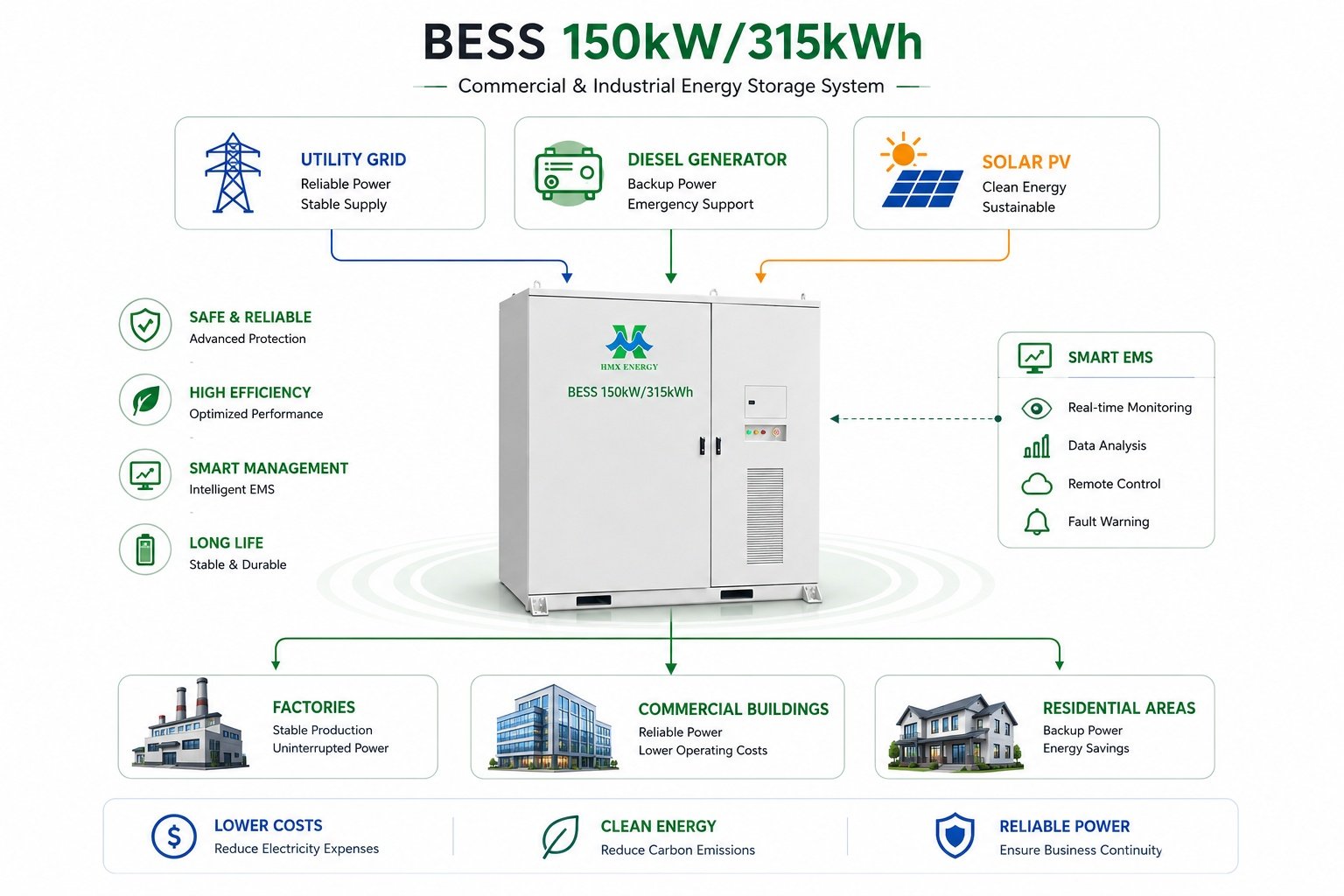
Un BESS può ridurre gli oneri di domanda, spostare l'energia, preservare la riserva di backup, assorbire il solare, seguire un setpoint di rete e fornire supporto di frequenza o reattivo. Non può promettere l'intera batteria a tutti questi obiettivi contemporaneamente. Quando il contratto non definisce la priorità, il conflitto si manifesta successivamente come risparmi mancati, riserva di backup esaurita, dispacciamento rifiutato o ciclaggio accelerato.
Una specifica professionale di dispacciamento parte quindi dai diritti e dai vincoli, non da uno slogan di ottimizzazione. Essa indica quale servizio può utilizzare quale potenza ed energia, in quali condizioni, per quanto tempo, e quale obiettivo cede quando i limiti entrano in collisione. Definisce inoltre la telemetria e i test necessari per dimostrare che l'EMS installato segue tale politica.
Separare gli obblighi dalle preferenze economiche
Elencare ogni servizio e classificarlo. La sicurezza e la protezione delle apparecchiature sono vincoli non negoziabili. La risposta al codice di rete, la riserva contrattuale e i limiti di connessione possono essere obbligatori. La riserva di backup è un requisito di resilienza del proprietario. La gestione degli oneri di domanda, l'arbitraggio energetico e l'autoconsumo da rinnovabili sono obiettivi economici. Questa classificazione impedisce che un segnale di prezzo di basso valore prevalga su una riserva critica o su un'istruzione di rete.
Definire il servizio al confine corretto. Un limite di picco del sito può essere misurato al punto di connessione comune, mentre un dispacciamento di mercato è misurato da un contatore fiscale e un obbligo di backup è espresso alla sbarra dei carichi protetti. Perdite, domanda ausiliaria e limiti del trasformatore fanno sì che lo stesso comando al PCS non produca lo stesso valore in ciascun punto.
La lista di controllo per l'interconnessione dell'energia distribuita definizioni dei servizi di rete distinguere i servizi per attributi di risposta e prestazione. Utilizzare le regole di mercato applicabili al progetto, ma adottare la stessa disciplina: non denominare una funzione “riserva” o “servizio di frequenza” senza specificare attivazione, durata, accuratezza, recupero e disponibilità.
| Obiettivo | Risorsa consumata | Conflitto da risolvere | Evidenza necessaria |
|---|---|---|---|
| Resilienza di backup | SOC riservato e potenza di scarica | Scarica economica prima dell'interruzione | Obiettivo di riserva, base di carico e autonomia |
| Controllo della tariffa di domanda | Potenza/energia di scarica durante i picchi | Durata del picco sconosciuta e successiva chiamata di rete | Regola di previsione, soglia e recupero |
| Arbitraggio energetico | Energia di ciclo e opportunità di carica | Riserva, degrado e limiti di connessione | Fonte di prezzo e vincolo di costo di ciclo |
| Autoconsumo fotovoltaico | Margine di carica al picco solare | Batteria già piena per un altro servizio | Previsione fotovoltaica e priorità di curtailment |
| Risposta di frequenza | Margine di potenza su/giù e di SOC | Dispacciamento di base al limite di potenza/SOC | Droop, banda morta, durata e recupero |
| Riserva di contingenza | Potenza impegnata ed energia erogabile | Programma economico simultaneo | Regole di attivazione e mantenimento |
| Supporto reattivo/di tensione | Margine di corrente/MVA del PCS | Dispacciamento ad alta potenza attiva | Capacità P-Q e impostazione delle priorità |
Costruire uno stack di vincoli prima di ottimizzare i ricavi
Il controllore dovrebbe valutare i limiti in un ordine definito: scatti di sicurezza, limiti di carica/scarica del BMS, capacità del PCS e del trasformatore, limiti di connessione, risposta obbligatoria di rete, riserve contrattuali, riserva di resilienza del proprietario, envelope operativo della garanzia e poi obiettivi economici. Uno strato inferiore può ottimizzare solo entro il margine lasciato dagli strati superiori.
Rappresentare potenza ed energia separatamente. Una batteria può avere SOC sufficiente per sostenere un servizio ma margine di PCS insufficiente perché sta già seguendo un altro setpoint. Può avere piena potenza di scarica per pochi minuti ma energia insufficiente per la durata richiesta. Indicare se gli impegni sono fermi, best effort o interrompibili e cosa accade quando la capacità scende al di sotto dell'impegno.
Includere perdite AC, ausiliari, derating termico, blocchi non disponibili e corrente reattiva. Utilizzare il processo di accettazione della qualità dell'alimentazione del BESS per confermare la capacità P-Q nel punto in cui il servizio è misurato. Un modello di dispacciamento che assume i kW di targa a ogni fattore di potenza può sovraimpegnare l'impianto.
La lista di controllo per l'interconnessione dell'energia distribuita Checklist di approvvigionamento BESS fornisce un quadro di riferimento per le fasi iniziali del progetto per definire i requisiti e le responsabilità dello stoccaggio. Aggiungere il principio di validazione specifico del dispacciamento: confrontare la potenza obiettivo con la potenza erogata ed esporre il vincolo che ha causato qualsiasi differenza.
Riservare il SOC con una politica, non solo con un numero fisso
Un SOC minimo fisso è semplice, ma può preservare troppa poca energia per un'interruzione prolungata o vincolare troppo valore nei giorni a basso rischio. Definire se la riserva di backup è fissa, dipendente dal tempo, dipendente dalle condizioni meteorologiche, basata sulla previsione di carico o collegata all'affidabilità della rete. Indicare il carico protetto, l'autonomia richiesta, l'orizzonte di previsione, la profondità di scarica consentita e la scadenza di recupero.
Convertire l'energia di backup in una quantità AC utilizzabile. Tenere conto della disponibilità della batteria, dell'efficienza DC-to-AC, degli ausiliari, delle perdite del PCS e del trasformatore, della temperatura e di un margine di incertezza conservativo approvato dal proprietario. Non dichiarare una durata di backup basandosi solo sull'energia di targa. Ricalcolare la riserva al variare della capacità misurata nel corso della vita utile.
Define emergency override. The owner may allow a grid event to use protected reserve, may prohibit it, or may require explicit authorization. The contract should identify which party carries the resilience consequence and how the event is reported. A market optimizer should never infer that permission from a high price.
Allocate Headroom for Fast and Slow Services
Fast frequency or regulation services need upward and downward power headroom around a base point. Energy arbitrage or peak shaving sets that base point. If the economic schedule drives the PCS to rated discharge, no upward response remains; if the battery is full, no downward charging response remains. Reserve separate power headroom and manage SOC toward a band that supports both directions.
The IEA’s Electricity 2026 flexibility analysis describes batteries providing balancing, grid support, capacity and energy shifting. Actual products differ by system operator. Configure response, telemetry and settlement from the binding rulebook; a generic “ancillary service ready” mode does not establish performance.
For slower capacity or contingency obligations, reserve deliverable energy for the required sustainment period and anticipated activation state. Include recharge restrictions after activation. One service may allow recovery immediately while another requires continued readiness. The scheduler must know whether committed headroom is available to other services before and after an event.
IEA’s May 2026 analysis of battery storage’s expanding system role reports strong 2025 deployment and a shift toward energy shifting alongside continued grid services. The commercial implication is not simply “stack more revenue.” Projects need longer-horizon energy scheduling while preserving the fast response promised to the network.
| Dispatch layer | Typical priority | Controller action | Reason code example |
|---|---|---|---|
| Safety/protection | Highest | Block, limit, isolate or trip | BMS_TEMP_LIMIT |
| Connection limit | Mandatory | Clamp import/export at PCC | POI_EXPORT_LIMIT |
| Grid-code dynamic response | Mandatory during event | Allocate current by approved priority | VOLTAGE_SUPPORT |
| Contracted reserve | Reserved headroom | Protect power and energy commitment | RESERVE_COMMITMENT |
| Riserva di backup | Owner-defined | Maintain usable energy floor | BACKUP_SOC_FLOOR |
| Peak/energy optimization | Economic | Dispatch within remaining limits | PRICE_DISPATCH |
| Ripristino | Policy-dependent | Restore SOC and headroom gradually | POST_EVENT_RECOVERY |
Prevent Two Controllers from Optimizing the Same Asset
A site EMS, vendor cloud, utility master, aggregator and local PCS controller may all be able to send setpoints. Define one authority state machine. Only one source should own each command at a time, while higher-priority safety and grid functions retain their approved local action. Show current authority, requested setpoint, effective setpoint and limiting reason.
Il BESS SCADA signal-list guide provides the required command, quality and feedback fields. Add service identifiers and correlation IDs so the operator can trace a plant response to the instruction that caused it. Store both rejected and accepted commands; settlement disputes often depend on whether a request was invalid, late, outside capability or overridden by a higher priority.
Define communications-loss behavior for each service. The BESS communication-loss fallback plan should state which last valid setpoints can persist, when the plant ramps to a safe local target and whether reserve or backup logic continues. An optimizer must not keep an old high-power command indefinitely because its price feed froze.
Make Degradation a Constraint with Auditable Inputs
Dispatch affects cycle depth, average SOC, charge/discharge rate, temperature and time at high SOC. The commercial model should identify which of those inputs the warranty controls, how throughput or equivalent cycles are counted, and how the EMS enforces limits. Avoid an invented currency-per-cycle number unless it comes from an approved degradation model and current commercial assumptions.
Set a change process for the degradation cost or constraint. Cell ageing, capacity tests, tariff changes and service prices can alter the optimum. Record model version, input source, approval and effective date. The operator should see when a dispatch was limited by warranty or health, rather than attributing the shortfall to plant failure.
Utilizzare il BESS cell-imbalance acceptance method to distinguish normal balancing from evidence of a weak module. Dispatch should not hide a persistent imbalance by continually narrowing power; it should create a maintenance action and preserve the underlying data.
Test Conflicts, Not Only Individual Services
Factory and site tests often prove peak shaving, grid response and backup mode separately. The priority logic is tested only when requests collide. Create scenarios with high price plus low backup SOC, peak demand plus reserve activation, full battery plus downward regulation, high reactive demand plus active dispatch, and a communications failure during a grid call.
For each test, define starting SOC, available blocks, temperature, P-Q state, service commitments, command sources, event time and expected priority. Measure requested and effective setpoints, delivered power at the correct meter, SOC, reason codes, alarm, recovery and settlement record. Test boundary values and simultaneous triggers to expose race conditions.
The DOE explanation of solar integration and storage functions illustrates the range from smoothing and shifting to resilience. A project acceptance test must turn those broad functions into its own numeric requirements; the source is context, not a substitute for site criteria.
Write the Commercial and Technical Rules Together
Control Forecast Error and Post-Event Recovery
Peak-load, PV and price optimization depend on forecasts that will be wrong to some degree. Define the forecast source, refresh interval, horizon and fallback. Measure error by service and time of day rather than quoting one annual average. The dispatch policy should reserve uncertainty headroom or become more conservative when data quality falls, without pretending that a forecast is a guaranteed operating condition.
Demand-charge control requires special treatment because the final billing peak may occur later than the event the battery first covers. Specify how the controller allocates finite energy across a long or repeated peak, whether it uses a target threshold, and how it responds when demand rises faster than forecast. Record the counterfactual site load and the battery contribution so savings can be audited.
PV charging also needs headroom planning. If the battery charges from low-price grid energy before solar production arrives, it may force renewable curtailment or export. State the relative value of avoided curtailment, tariff arbitrage and backup reserve, and define how forecast confidence affects the charge target. A controller should expose why it left the battery partly empty rather than appearing to miss an opportunity.
After reserve activation or an outage, several services may request immediate SOC recovery. An aggressive charge can create a new site peak, breach an import limit or remove downward regulation headroom. Define a recovery priority, maximum ramp, price or demand constraint, deadline and operator override. The controller should estimate the time to restore each commitment and alarm when the deadline is no longer achievable.
Recovery is also a thermal event. Repeated high-power discharge and recharge can meet a market schedule while pushing cells or PCS cooling toward limits. Use current BMS and PCS capability, not a fixed nameplate command. When thermal headroom declines, reduce the effective setpoint with a coded reason and update the next-service availability instead of waiting for a protective trip.
Validate forecasts and recovery through historical replay before commissioning. Feed representative load, PV, price and service signals into the EMS; include missing data, forecast bias, extreme days and repeated activations. Compare service performance, reserve violations, cycling and constraint reasons. Then repeat selected scenarios in FAT and site testing with real controller interfaces.
Identify who may commit the battery to each service, who bears imbalance or non-performance cost, who controls reserve release, and how lost savings are treated when a mandatory service has priority. Align these rights with the technical authority matrix. A commercial agreement cannot promise a dispatch right the EMS is designed to reject.
Define the performance baseline and exclusions. Record meter source, time interval, energy losses, availability, curtailment, grid instructions, force majeure and maintenance. Use the checklist di approvvigionamento commerciale per BESS to connect dispatch requirements with warranties, metering, commissioning and data ownership.
| Criterio di accettazione | Consegna | Condizione di superamento |
|---|---|---|
| Service definition | Boundary, response, duration, accuracy and recovery | No undefined service promise |
| Priority policy | Constraint stack and conflict matrix | Owner/network/commercial approval |
| Capability calculation | Power, energy, SOC and P-Q headroom | Traceable inputs and reason codes |
| Control authority | Source ownership and override state machine | No competing master command |
| Test in fabbrica | Simulated conflicts, limits and communication loss | Effective setpoint matches policy |
| Test in sito | Metered multi-service scenarios | Delivered response and recovery verified |
| Passaggio di consegne | Algorithms, settings, reports and training | Owner can audit dispatch decisions |
| Controllo delle modifiche | Tariff, service, warranty and firmware impact review | Regression test before release |
A strong BESS dispatch design does not claim that every value stream can run simultaneously. It reserves power and energy for obligations, protects safety and warranty limits, exposes the constraint behind every reduced command, and tests the moments when services conflict. That makes savings, resilience and grid performance measurable rather than competing promises.