
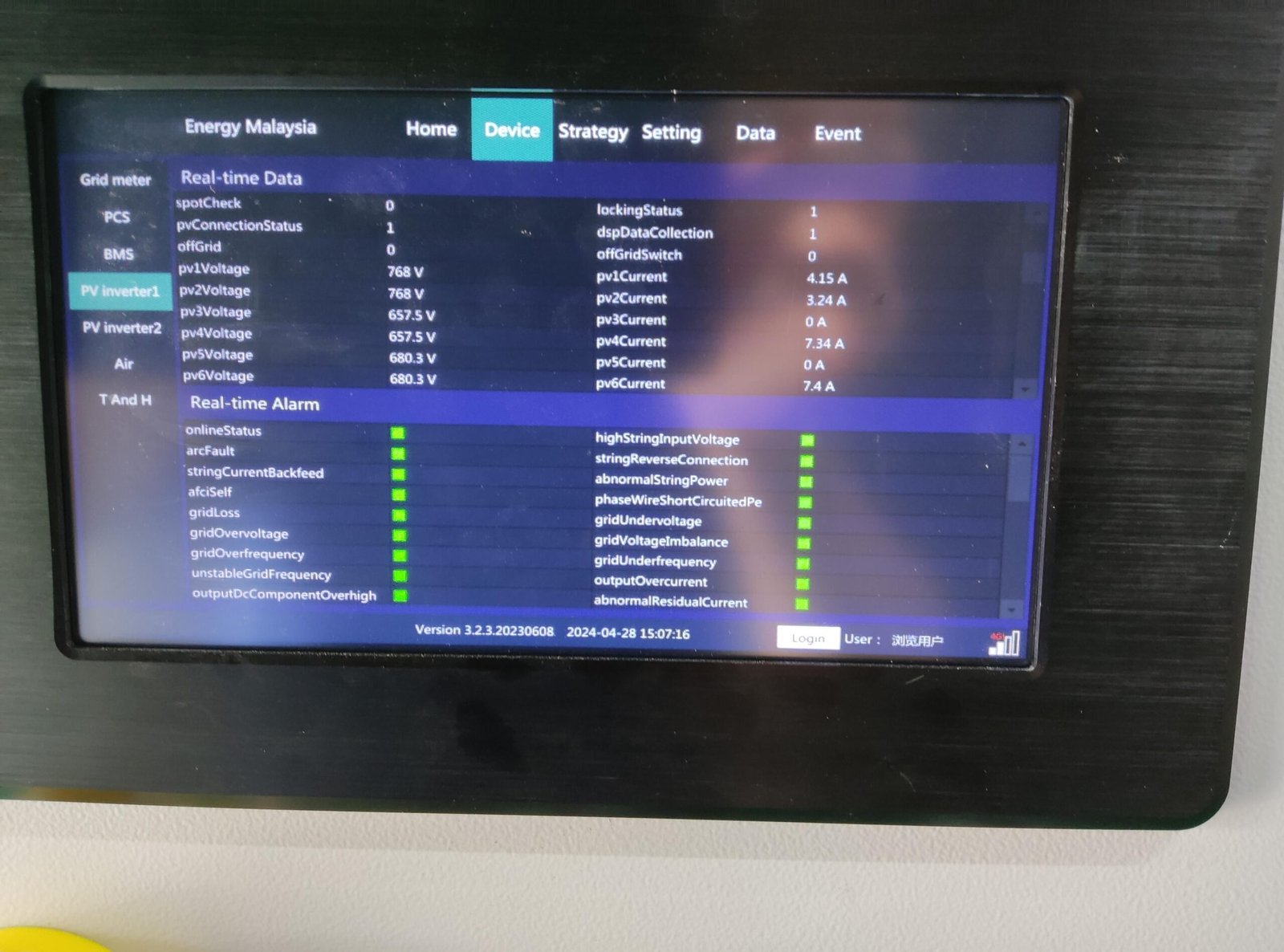
Een BESS-transformator kan bij eerste bekrachtiging weinig of geen belasting dragen en toch het meest ernstige elektrische transiënt van de inbedrijfstellingsreeks veroorzaken. Kernverzadiging kan asymmetrische magnetiseringsstroom trekken, de spanning op een zwak net verlagen, harmonische tegenhoudcondities in differentiaalbeveiliging veroorzaken en stroomopwaartse apparatuur laten afschakelen voordat de PCS één kilowatt exporteert.
De praktische vraag voor de koper is niet of inschakelstroom bestaat. Het is of de transformator, het netwerkmodel, de beveiligingsinstellingen, de schakelmethode en het veldbewijs één gecontroleerd plan vormen. Deze gids zet de informatie uiteen die een eigenaar, EPC, transformatorleverancier, beveiligingsingenieur en netbeheerder vóór bekrachtiging moeten afsluiten.
Waarom een BESS-bekrachtigingsstudie locatiespecifiek moet zijn
De grootte en het verval van inschakelstroom zijn afhankelijk van transformatorontwerp, restflux, punt op de golf bij het sluiten van de vermogensschakelaar, bronimpedantie, systeemspanning, wikkelverbinding en de toestand van andere transformatoren. Generieke veelvouden van de nominale stroom zijn nuttig voor vroege screening, maar kunnen niet de respons van een zwak net of de veiligheid van een specifiek relaisconcept vaststellen.
Het NERC-rapport over de integratie van invertergebaseerde bronnen in systemen met lage kortsluitsterkte documenteert een voorbeeld waarin transformatorinschakelstroom een aanzienlijke meerfasige spanningsdaling en meerdere seconden herstel veroorzaakte. Dat voorbeeld is bewijs van een mechanisme, niet een ontwerpwaarde voor een ander project. Kopers moeten eisen dat het projectmodel de aangeboden transformatorgegevens en de netwerksituatie gebruikt die tijdens het geplande schakelvenster wordt verwacht.
Kortsluitsterkte op het aansluitpunt is van belang omdat inschakelstroom door de stroomopwaartse impedantie vloeit. Bestudeer de geloofwaardige zwakste toestand, inclusief lijn- of transformatoruitval, tijdelijke bouwstroomvoorzieningen en de nettopologie die op de bekrachtigingsdag is toegestaan. Controleer ook nabijgelegen spanningsgevoelige belastingen, beveiligingsapparatuur en andere invertergebaseerde bronnen. Een spanningsdip die de BESS-transformator doorstaat, kan nog steeds een fabrieksproces onderbreken of een andere installatie laten afschakelen.
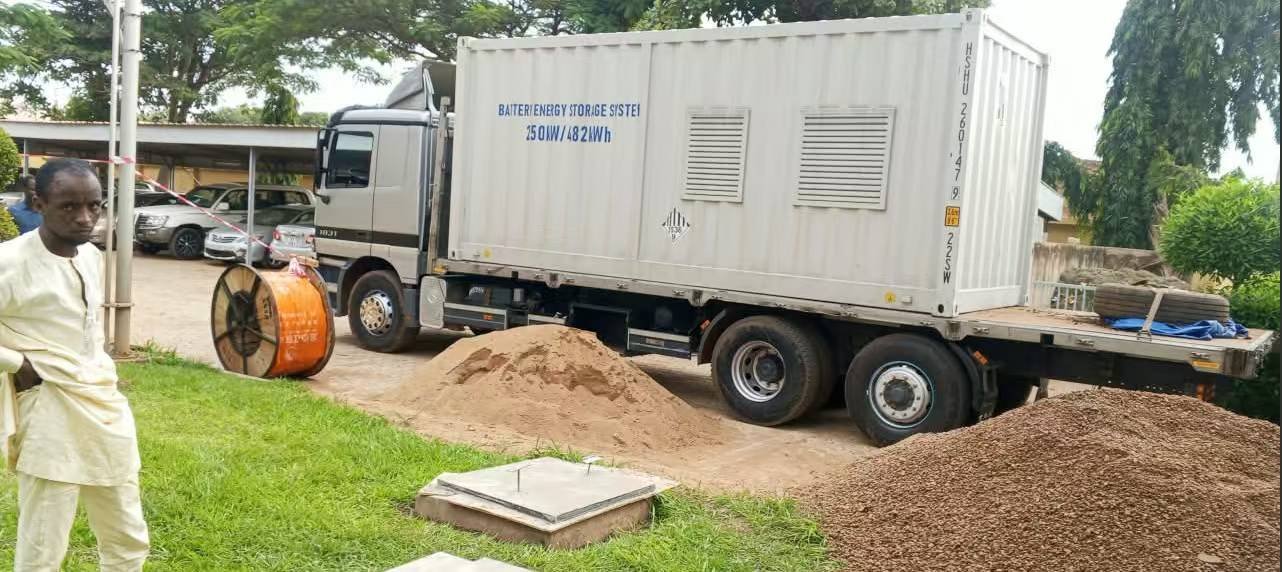
De studiengrens moet elke transformator omvatten die kan worden bekrachtigd: hoofdvoedingstransformator, eigenbedrijfstransformator en meerdere PCS-opvoertransformatoren. Hun volgorde kan restflux, busspanning en het aantal gelijktijdige gebeurtenissen veranderen. Geef aan of eenheden afzonderlijk, in blokken of door het sluiten van een hogere vermogensschakelaar op een volledige collectorgedeelte worden bekrachtigd.
Verzamel gegevens voordat het model wordt gebouwd
De transformatorleverancier moet meer verstrekken dan nominaal MVA en procentuele impedantie. Vraag een studiegeschikt gegevensblad aan dat kernconstructie, wikkelconfiguratie, bekrachtigingsstroom, verzadigingskarakteristiek, verwachte inschakelstroomenvelop, vervalinformatie, verliezen, aftakkingen en toleranties identificeert. Vraag welke waarden gegarandeerd, berekend, tijdens routinetests gemeten of representatief voor een ontwerpfamilie zijn. Registreer het definitieve serienummerspecifieke testrapport wanneer beschikbaar.
Vermogensschakelaargegevens zijn even belangrijk. Bevestig poolspreiding, bedieningstijd, stuurspanning, beschikbare sluitspoelenergie, onderbrekingsvermogen en of punt-op-de-golf of gestuurde schakeling wordt voorgesteld. Voeg kabel- en lijnparameters, bronvervangingsschema, aardingsmethode, overspanningsafleiders, meettransformatoren, relaismodellen en -instellingen toe. Het definitieve model moet overeenkomen met de as-built aftakpositie en schakelconfiguratie.
| Invoergroep | Vereist bewijs | Waarom het het resultaat verandert |
|---|---|---|
| Magnetische transformatorgegevens | Kerntype, bekrachtigingscurve, inschakelstroomenvelop, verliezen en aannames voor restflux | Bepaalt piek, asymmetrie en verval |
| Elektrische nominale waarden | MVA, spanning, impedantie, X/R, vectorgroep, neutraal en aftakpositie | Definieert stroompad en netwerkrespons |
| Bronsysteem | Maximaal/minimaal foutniveau en geloofwaardige topologie | Bepaalt spanningsdip en herstel |
| Schakelapparaat | Timing vermogensschakelaar, poolspreiding, sluitmethode en stuurvoeding | Bepaalt sluitmoment en fasegedrag |
| Bescherming | CT-gegevens, differentiaal/tegenhoudlogica, overstroom, onderspanning en stroomopwaartse instellingen | Test veiligheid en coördinatie |
| Aangesloten installatie | Hulpsystemen, PCS-toestand, andere transformatoren en gevoelige belastingen | Definieert de werkelijke bekrachtigingstoestand |
| Veldmeting | Spanning/stroomkanalen, bemonstering, tijdsynchronisatie en triggers | Maakt modelvalidatie mogelijk |
Houd aannames zichtbaar. Een consultant kan voorlopige gegevens nodig hebben voordat het definitieve transformatorontwerp is vrijgegeven, maar elke plaatshouder moet een eigenaar, bron en sluitingsdatum hebben. Voer de beoordeling opnieuw uit wanneer de geselecteerde transformator, netwerkgegevens of instellingen materieel afwijken van de studiebasis.
Kies de juiste studiediepte
Een screeningsberekening kan de inschakelstroomenvelop van een leverancier vergelijken met bronsterkte en limieten voor snelle spanningsverandering. Het is nuttig voor biedingsevaluatie en voor het beslissen of een gedetailleerdere studie nodig is. Het mag niet worden gepresenteerd als een hoogwaardige voorspelling wanneer magnetische verzadiging, restflux, timing van schakelaarpolen of netwerkdynamica worden vereenvoudigd.
Het innovatieproject BESS P28 van het UK Energy Networks Association rapporteert over lopend werk aan beoordeling van spanningsstappen, snelle spanningsverandering en flikkering voor opslag. Hoewel projectregels per land en aansluiting verschillen, is de inkooples breed: definieer het toepasselijke planningscriterium, documenteer de screeningaannames en escaleer naar gedetailleerde elektromagnetische transiëntanalyse wanneer marges klein zijn of het systeem zwak is.
Een gedetailleerd EMT-model kan gerechtvaardigd zijn voor een grote transformator, lage kortsluitverhouding, strikte limiet voor snelle spanningsverandering, ontwerp met gestuurde schakeling, complexe beveiligingsinteractie of een netwerk met gevoelige IBR's. Het model moet geloofwaardige combinaties van restflux en punt-op-de-golf onderzoeken in plaats van een enkel gunstig geval. Evalueer fasespanningen, stroompieken, verval, harmonische inhoud, relaisgrootheden en de invloed van hulplasten.
Coördineer beveiliging zonder echte fouten te maskeren
Differentiaalrelais voor transformatoren gebruiken gewoonlijk harmonische tegenhouding of blokkering om veilig te blijven tijdens magnetiseringsinschakelstroom. De instelling is geen reden om veiligheid aan te nemen. Bevestig het relaisalgoritme, CT-prestaties, transformatorvectorcompensatie, nulsequentiebehandeling, verzadigingsgedrag en verwachte harmonische grootheden voor het projectevenement. Test het werkelijke instellingenbestand, niet een generieke schemabeschrijving.
Overstroom-, aardfout- en stroomopwaartse feederrelais moeten coördineren met de inschakelstroomenvelop terwijl ze echte fouten nog steeds snel wissen. Controleer instantane elementen, tijdsvertragingen, negatieve-sequentiefuncties, onderspanningslogica en starten van schakelaarstoring. Een instelling die uitsluitend minder gevoelig is gemaakt om bekrachtiging te doorstaan, kan een gat in foutwissing creëren. Waar veiligheid en betrouwbaarheid conflicteren, wijzig de schakelmethode of beveiligingsarchitectuur in plaats van stilzwijgend een onbeschermd interval te accepteren.
Bevestig hoe mechanische transformatorbeveiligingen, temperatuurapparaten, gasrelais, drukontlasting en brandalarmen interfacen met afschakelcircuits. Voer vóór bekrachtiging secundaire injectie, afschakelpadtests en end-to-end controles uit die vereist zijn door het goedgekeurde inbedrijfstellingsplan. Gebruik het BESS FAT-testprotocol to preserve factory evidence, then repeat site-dependent checks after wiring and setting changes.
Instrument-transformer selection and metering polarity also affect the evidence available after the event. The BESS meter and CT commissioning guide explains why ratios, polarity, phase association and time-aligned records should be proved before relying on field traces.
Select a Mitigation That Matches the Risk
Possible controls include sequential energization, a stronger source topology, reduced initial voltage where permitted, pre-insertion resistors, controlled switching, flux-management methods or a revised transformer design. Each option introduces dependencies. Controlled switching needs breaker capability, reliable timing, validated pole operation and a method to address residual flux. A pre-insertion device adds equipment, duties and maintenance. Sequential operation changes commissioning time and operating procedures.
Do not credit the PCS as an inrush source unless the electrical arrangement and control mode genuinely support that function. In many projects the transformer must be energized before the PCS can establish control. If grid-forming or black-start operation is proposed, study its current limit, voltage control, protection and restoration sequence separately. Marketing labels do not substitute for an approved dynamic model and a tested procedure.
Transformer thermal capacity is a different question from inrush, but the selected unit must also suit continuous and cyclic service. The BESS transformer headroom guide covers load profile, harmonics, ambient conditions and auxiliary demand. Keep loading and energization studies linked to the same final equipment schedule so procurement decisions do not solve one duty while weakening another.
| Mitigatie | Evidence before acceptance | Operational dependency |
|---|---|---|
| Sequential energization | Study of each step and permitted bus condition | Defined switching order and waiting times |
| Stronger source arrangement | Confirmed network topology and operator approval | Topology available for every required start |
| Controlled switching | Breaker performance, algorithm, residual-flux treatment and simulations | Timing health, maintenance and fallback mode |
| Pre-insertion impedance | Thermal/electrical duty and bypass sequence | Inspection and device availability |
| Reduced-voltage method | Transformer and network approval | Voltage source and tap/control procedure |
| Transformer redesign | Updated magnetic data and repeated studies | Final production conformity |
Build an Energization Permit, Not a Loose Checklist
The energization plan should identify the switching authority, control-room contacts, approved one-line, isolation boundary, equipment condition, permitted network topology and stop criteria. Lock the final protection settings and issue controlled copies. Confirm clearances, grounding removal, phase rotation, insulation tests, oil or dry-type checks, auxiliary power, DC system, breaker mechanism, alarm paths and fire protection.
IEEE lists IEEE C57.93-2019 as the active guide for installation and maintenance of liquid-immersed power transformers, with an amendment. The applicable inspection, test and energization requirements still depend on transformer type, manufacturer instructions, contract, jurisdiction and owner standards. State the governing documents in the permit rather than citing “industry practice” without an edition.
Define the pre-close values: source voltage, tap position, breaker state, load state, protection in service, recorder armed, weather if relevant and communication status. Define abort limits for abnormal sound, oil or gas alarm, pressure operation, unexpected current, unacceptable voltage, relay pickup, smoke, loss of communications or data-recording failure. The control-room operator must know who can order an immediate trip.
NERC’s 2025 draft commissioning best-practices guideline for BPS-connected IBRs calls attention to weak-grid inrush and recommends high-resolution capture during energization where relevant. Because it is a draft, treat it as informative current work, not a binding requirement. The sound project practice is to agree the recorder specification with the network and protection engineers before the event.
Capture Evidence That Can Validate the Study
Record three-phase current and voltage at appropriate points, breaker status, protection element states, trip contacts and relevant transformer alarms. Specify sampling rate, recorder range, trigger, pre-event window, duration and time synchronization. RMS trending alone may show the voltage dip but miss the waveform asymmetry and harmonic behavior needed to explain relay response.
NERC’s current PRC-028-1 disturbance-monitoring page illustrates the wider reliability value of usable IBR event data. Applicability must be determined for the specific facility; a project outside that standard can still benefit from equivalent commissioning records. Establish retention format, channel naming, time reference and access rights before commissioning.
Immediately after a successful close, review peak current, phase asymmetry, voltage minimum, recovery, relay targets, breaker performance and alarms. Compare measurements with the study envelopes and explain significant differences. A “no trip” result is not complete validation if the recorder saturated, time stamps drifted or the studied grid condition was different.
Plan for the Second Energization
The first close usually receives the most engineering attention, but later energizations may occur under weaker network conditions, after an uncontrolled trip or with a different residual-flux state. Define minimum off-time if required, permitted source conditions, reclose restrictions and the response after failed or partial closing. Automatic reclosing onto a transformer should not be enabled by assumption.
Transfer the approved sequence into operating procedures and the BESS grid reconnection plan. State whether the procedure changes after transformer maintenance, relay firmware changes, breaker overhaul or network reinforcement. Train operators on both normal and abnormal scenarios, including loss of recorder, unexpected relay operation and a transformer that does not remain energized.
| Poort | Vrijgavebewijs | Eigenaar |
|---|---|---|
| Design data frozen | Final transformer, breaker, network and relay data | EPC/design authority |
| Study approved | Cases, limits, mitigation and settings dispositioned | Network/protection engineers |
| Construction complete | As-built inspection and test records | Commissioning manager |
| Protection ready | Approved files, injection and trip-path results | Protection lead |
| Switching permit | Topology, contacts, sequence and abort criteria | Switching authority |
| Measurement ready | Channels, range, trigger, time sync and storage verified | Test engineer |
| Post-event release | Waveforms reviewed and deviations closed | Owner’s engineer |
| Operationele overdracht | Repeat-energization procedure and training accepted | Asset manager |
Procurement Clauses That Prevent Late Surprises
Before closing the contract, define which changes trigger study review. Examples include a different core design, impedance tolerance outside the model range, revised tap, breaker replacement, altered collector configuration, new upstream impedance, changed relay firmware or settings, and a decision to energize several transformers together. The supplier and EPC should notify the owner before implementing those changes, not after field installation.
State the required study deliverable clearly. It should identify software and version, model source, cases, input register, assumptions, sensitivity range, acceptance limits, results, protection interaction, proposed mitigation and unresolved actions. Plots need readable units, phase identification and time axes. Provide model files or an agreed reproducible package where commercial licensing allows. A report containing only selected screenshots is difficult to update when network data changes.
Allocate review responsibilities across interfaces. The transformer OEM owns equipment data; the system-study engineer owns modelling and stated limitations; the protection engineer owns settings; the EPC owns the as-built match; the network operator controls connection requirements and switching permission; and the owner accepts residual project risk. Names can vary by contract, but no deliverable should sit between parties without an accountable approver.
Finally, preserve the commissioning waveform as a baseline. Future traces can reveal a changed source condition, breaker timing problem, core behavior or measurement fault. Do not infer transformer health from inrush alone, but do investigate a material change from the approved and previously observed envelope. Link the record to the transformer serial number, breaker, tap, network topology, settings revision and event time.
Place the study-data obligation in the transformer purchase order and the integration obligation in the EPC scope. Require final data by a date that supports network review, protection coordination and mitigation procurement. Define the consequence of a design change that invalidates the approved model. The owner should receive editable model data where licensing permits, the study report, settings, field records and the final operating procedure.
Gebruik de commerciële BESS-inkoopchecklist to connect transformer duties with the wider technical offer. During bid evaluation, score data quality and interface ownership as well as headline efficiency and price. A transformer supplied on time without usable magnetic data can place the entire energization date at risk.
The acceptance criterion should be explicit: approved study and settings, completed prerequisites, controlled switching, usable recordings, response within agreed limits and closure of deviations. This makes energization a verifiable project milestone. It also leaves operations with a defensible basis for future reconnection instead of a one-time commissioning memory.