

Een thermische-runaway-propagatierapport kan honderden pagina's bevatten met temperaturen, gasmetingen, foto's en observaties. Kopers reduceren het vaak tot één zin—“geen propagatie”—zonder te bevestigen wat er is geïnitieerd, welk niveau is getest, welke ontwerpversie is gebruikt of of de installatie afwijkt van de testopstelling.
Het rapport is geen algemeen certificaat dat elk project met een vergelijkbare batterij veilig is. Het is bewijs van een gedefinieerd testobject, initiatiemethode, toestand, behuizing, onderlinge afstand, ventilatie en mitigatieconfiguratie. Een professionele beoordeling herleidt die omstandigheden naar de aangeboden apparatuur en het brand-, explosie-, scheidings- en noodresponsontwerp van de locatie.
UL Solutions’ huidige UL 9540A-overzicht beschrijft doelstellingen op cel-, module-, unit- en installatieniveau en licht recente edities toe. Kopers moeten de toepasselijke editie, het testniveau en de lokale goedkeuringsbasis identificeren in plaats van “UL 9540A getest” te behandelen als een volledig antwoord.
Identificeer het rapport, het testniveau en de beoogde beslissing
Registreer laboratorium, accreditatiescope, rapportnummer, datum, standaardeditie, testniveau, klant, productnaam, model, cel- en module-identiteit, behuizingsrevisie en eventuele rapportbeperkingen. Bevestig of het document een volledig rapport, een managementsamenvatting, een brief of een marketinguittreksel is. Een samenvatting kan de opstelling en afwijkingen weglaten die nodig zijn voor technische beoordeling.
Geef de projectbeslissing aan die het rapport moet ondersteunen: productcertificering, scheiding, brandblussysteemontwerp, gas- of explosieanalyse, responder-planning, vergunningverlening of verzekeraarsbeoordeling. Verschillende vragen vereisen verschillende testniveaus en gegevens. Vraag niet aan een gasresultaat op celniveau om brandverspreiding van unit naar unit te bewijzen, of aan een unitttest om een gewijzigde gebouwopstelling te bewijzen.
| Testniveau | Bewijsfocus | Koper mag niet afleiden |
|---|---|---|
| Cel | Thermische-runaway-eigenschappen en gasgegevens | Volledig module- of behuizingsgedrag |
| Module | Cel-naar-cel-propagatieneiging en emissies | Unit-naar-unit of gebouwbrandprestaties |
| Eenheid | Modulepropagatie, warmte-/gasgedrag en behuizingseffecten | Elke locatieafstand of ruimteopstelling |
| Installatie/grote schaal | Brandverspreiding, blootstellingen en geïnstalleerde mitigatie onder gedefinieerde opstelling | Niet-beoordeelde wijzigingen aan apparatuur of indeling |
| Productcertificering | Evaluatie volgens de productnorm en genoemde configuratie | Automatische goedkeuring voor elke jurisdictie |
Koppel de cel en module aan het aangeboden product
Vergelijk fabrikant, model, chemie, formaat, capaciteit, massa, afmetingen en productierevisie van de geteste cel. Vergelijk vervolgens module-indeling, serie/parallelschakeling, onderlinge afstand, compressie, barrières, thermische paden, busbars, zekeringen en behuizing. “Dezelfde chemie” of “dezelfde capaciteit” stelt geen gelijkwaardigheid vast.
Traceer substituties en wijzigingen in de toeleveringsketen. Als het aangeboden product een andere cel, barrière, ontluchtingspad of modulemateriaal gebruikt, vereis dan een gedocumenteerde technische beoordeling en eventueel aanvullend testbewijs dat door de autoriteit, certificeringsinstantie, brandingenieur of verzekeraar wordt verlangd. Houd de beslissing vast in het projectdossier.
De bredere onderscheidingen in de UL 9540, UL 9540A en NFPA 855-gids helpen inkoopteams een productevaluatie, een propagatietestmethode en een installatienorm te onderscheiden. Gebruik de editie en adoptie die van toepassing zijn op de locatie.
Beoordeel de initiatiemethode en toestand
Identificeer hoe thermische runaway is geïnitieerd, welke cel is geselecteerd, waar deze zich in de module of unit bevond en of de methode representatieve verwarming en ontluchting creëerde. Registreer de laadtoestand van de batterij, conditionering, temperatuur en rust. Een rapport kan een gedefinieerde worstcase- of gestandaardiseerde toestand gebruiken die afwijkt van normaal bedrijf; de beoordelaar moet het doel begrijpen in plaats van het te herlabelen als een voorspelling van een veldincident.
Controleer of de geselecteerde initiatielocatie naburige cellen, barrières, gaspaden en mitigatie op de proef stelde. Als het product meerdere module- of rekoriëntaties bevat, identificeer welke zijn getest. Noteer testherhalingen en afwijkingen. Eén resultaat mag niet worden gegeneraliseerd buiten het gedocumenteerde bereik zonder technische rechtvaardiging.
Het DOE Strategisch plan voor energieopslagveiligheid beschrijft gevalideerde veiligheid en het belang van systeemontwerp en -testen. Pas die levenscyclusvisie toe: testbewijs informeert preventie, mitigatie, installatie, respons en latere wijzigingsbeheersing.
Onderscheid passieve constructie van actieve systemen
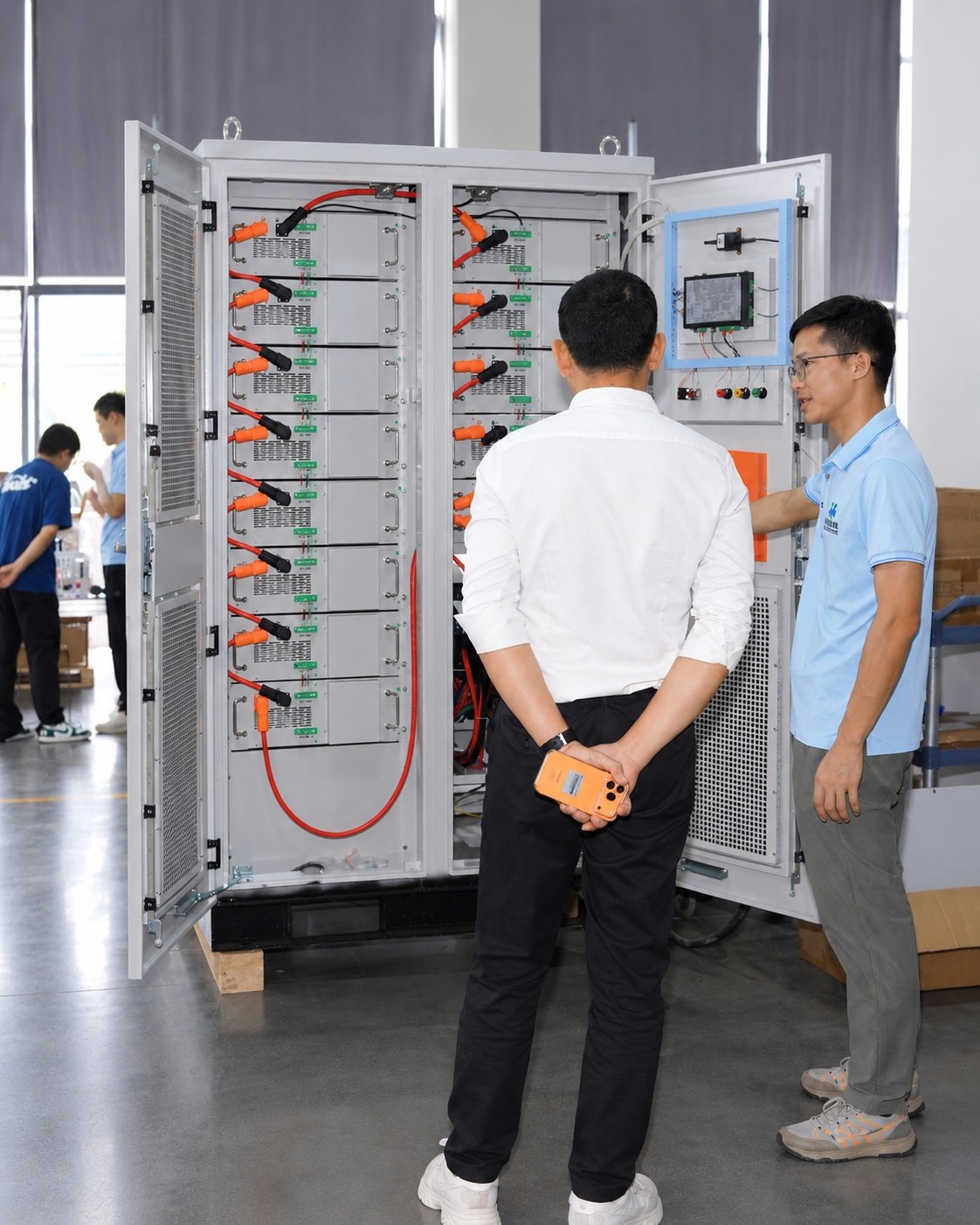
Som elke actieve en passieve voorziening op die tijdens de test aanwezig was: celafstand, isolatie, barrières, ontluchtingen, behuizingspanelen, drukontlasting, detectie, BMS, contactors, ventilatoren, pompen, blussing en externe brandbescherming. Vermeld welke functies in werking waren, uitgeschakeld of niet beschikbaar waren door testontwerp.
Actieve regelingen kunnen normale detectie en respons verbeteren, maar thermische runaway kan voeding, communicatie en sensoren verstoren. Het rapport moet worden gelezen op gedrag met de werkelijke testconfiguratie. Beweer niet dat een ventilator, pomp of BMS propagatie stopte als de testmethode opzettelijk niet op die functie vertrouwde.
Verbind voor projectregelingen rapportobservaties met de BESS-brandmeldings-oorzaak-en-gevolgmatrix. Rapportevisie kan drempels of acties ondersteunen, maar de locatie moet afzonderlijk de geïnstalleerde detectie-, isolatie-, ventilatie-, blussings- en meldingspaden verifiëren.
Lees gas-, druk-, warmte- en herontstekingsgegevens samen
Gassamenstelling, emissiesnelheid, ontvlambaarheid, temperatuur, warmteafgifte, warmteflux en druk hebben betrekking op verschillende gevaren. Vraag de brand- en explosiespecialisten welke gegevens zij nodig hebben en of het rapport ruwe of samengevatte resultaten levert. Een verklaring dat er geen vlam is waargenomen betekent niet dat er geen ontvlambaar gas is geproduceerd.
Beoordeel sensorlocaties, bemonsteringstijdstippen, detectielimieten en onzekerheid. Gas gemeten op één punt in een testbehuizing vertegenwoordigt mogelijk niet elke concentratie in een projectruimte. Warmteflux en doeltemperaturen zijn afhankelijk van geometrie en afstand. Gebruik technische analyse om testgegevens over te dragen naar de installatie.
Registreer waarnemingen van herontsteking of aanhoudende verwarming en de monitoringduur. Noodplannen mogen niet aannemen dat het evenement eindigt wanneer de zichtbare vlam stopt. Koppel productbewijs aan het BESS-noodinformatiepakket zodat responders geverifieerde feiten ontvangen, geen vereenvoudigde marketingclaims.
Compare the Test Layout with the Site
Compare enclosure orientation, doors, panels, vents, spacing to adjacent units and walls, overhead exposures, indoor or outdoor condition, ceiling, room volume, ventilation, suppression, barriers and target materials. Mark each difference as equivalent, conservative, requiring analysis or requiring new evidence.
UL Solutions’ 2026 announcement on large-scale BESS fire testing describes enhanced installation-level evaluation. Buyers should confirm which edition and test method their report used and whether the current project relies on a configuration outside that evidence.
Do not overlook site drainage, access and neighboring hazards. A test can support separation and thermal exposure analysis but does not design emergency vehicle routes, runoff control, utility isolation or post-incident storage. These remain site responsibilities.
| Comparison field | Report condition | Project review |
|---|---|---|
| Cell/module/unit revision | Exact tested identity | Match, assessed change or new evidence |
| State of charge and conditioning | Defined test state | Understand purpose and conservatism |
| Initiation point/method | Cell and location used | Relevant to product arrangements |
| Enclosure openings | Doors, vents and relief state | Matches installed hardware and controls |
| Spacing/exposures | Targets, walls and adjacent units | Site layout within supported basis |
| Active mitigation | Operating, disabled or external | No unsupported reliance |
| Instrumentation | Gas, pressure, heat and temperature points | Data suitable for engineering use |
| Duration/end state | Monitoring, reignition and observations | Emergency/recovery assumptions aligned |
Check Deviations, Anomalies and Unsuccessful Runs
Read the deviation and observation sections, not only the conclusion. Note failed initiation, sensor loss, unexpected panel opening, equipment malfunction, changed setup, incomplete data or repeated runs. Determine how the laboratory and report author treated each issue and whether it limits the project decision.
Request referenced appendices, photographs and raw-data summaries required for review. Redactions may protect proprietary design, but they should not remove information the authority or fire engineer needs to assess configuration and results. Establish a confidential review route where necessary.
The US Environmental Protection Agency’s BESS safety and environmental considerations provide useful installation and emergency-planning context. Use those project-level considerations alongside the product-specific test report, and confirm current authority requirements directly.
Connect the Report to Procurement and Change Control
Require bidders to identify report numbers, applicable product models, standard editions, deviations and project gaps. The supplier should disclose planned cell, module, barrier, enclosure, firmware or mitigation changes before manufacture. The owner decides whether the updated design remains within the accepted evidence.
At factory and site review, verify construction and settings that the safety case depends on. Use the BESS FAT-protocol to record product identity, firmware and functional controls. FAT cannot reproduce destructive propagation testing, but it can confirm that the supplied configuration matches the reviewed evidence.
After operation begins, screen module replacement, augmentation, repowering, fire-system modification and enclosure repair against the report basis. Keep the report, gap analysis, approvals and current product register together. A report that cannot be mapped to installed serials has limited lifecycle value.
Use a Report-Review Schedule in the RFQ
| RFQ-deliverable | Minimale inhoud | Acceptatiepunt |
|---|---|---|
| Report register | Lab, number, date, edition, level and product identity | Bid technical review |
| Configuration mapping | Cell, module, unit and mitigation against offered product | Before design approval |
| Project gap matrix | Test layout versus site layout and fire systems | Fire-engineer/AHJ review |
| Datapakket | Gas, heat, pressure, photos, observations and deviations | Suitable for analysis |
| Safety-function mapping | Passive and active features present during test | No unsupported claim |
| Responder summary | Verified hazards, remaining energy and test observations | Emergency plan accepted |
| Production conformity | Traceability and controlled substitutions | Before shipment |
| Lifecycle change rule | Screening, re-analysis and new-test triggers | Transferred to operations |
Gebruik de commerciële BESS-inkoopchecklist to connect propagation evidence with certification, site safety, commissioning, service and change control. A low-price bid with an unmapped report can transfer significant approval work to the owner.
Turn Measurements into Project Decisions
A report can contain hundreds of temperature, heat-flux, gas and video observations. Procurement teams do not need to reproduce the laboratory analysis, but they do need a decision map. Each important observation should be assigned to a design question: separation distance, wall rating, ventilation concept, gas detection, pressure relief, emergency isolation, firefighting access or post-event monitoring. If a measurement is cited in the safety case, record its sensor location, time basis, range and any limitation. A peak value without location and timing can be easy to quote and hard to use.
Heat-flux data deserve particular care. Confirm the target surface, orientation, distance, sampling interval and whether the quoted result is a peak, an average or a threshold-duration value. Compare those details with the exposure the project engineer is assessing. A sensor positioned beside a test unit does not automatically establish the heat input at a building façade, boundary or differently oriented adjacent enclosure. The fire-protection engineer should make that translation and document the assumptions.
Gas results also require context. The report may identify gas species, concentration trends, release timing or flammability observations, but readings depend on sampling point, dilution, ventilation, enclosure state and analytical method. Ask whether the data support detector selection, alarm thresholds, ventilation logic or only general hazard identification. Do not copy a concentration from a test report into a site setpoint without a qualified controls and fire-safety review.
Pressure events should be traced against the physical sequence. Note when doors, vents, panels or other relief features moved; whether the movement was intentional; and whether fragments or hot material affected targets. Confirm that the installed relief path remains unobstructed after cable routing, weather protection, adjacent equipment and maintenance access are added. A design change outside the enclosure can still invalidate an installation assumption.
Large-scale research helps teams understand why full observations matter. Sandia National Laboratories’ report on large-scale energy-storage fire testing discusses fire spread, gas generation and the value of data for emergency response. Use such research to improve review questions, while keeping product-specific decisions tied to the tested product and the authority-approved project analysis.
Define What Happens When the Product Changes
Propagation evidence is configuration-sensitive. A change to cell supplier, electrode format, module spacing, thermal interface material, busbar insulation, vent path, barrier, door seal, firmware, cooling arrangement or fire-system logic can alter initiation, propagation or release behavior. The contract should therefore define a controlled baseline before purchase order and require written notice before a safety-relevant substitution. “Equivalent component” is not a sufficient engineering disposition.
The change review should name the responsible parties and possible outcomes. A proposed change may be accepted as within the documented test family, supported by a laboratory or engineering assessment, restricted by an installation control, or sent for additional testing. The supplier should provide the comparison evidence; the owner, engineer, insurer and authority retain their respective approval roles. Set review lead times early so a late substitution does not force an unsafe choice between schedule and evidence.
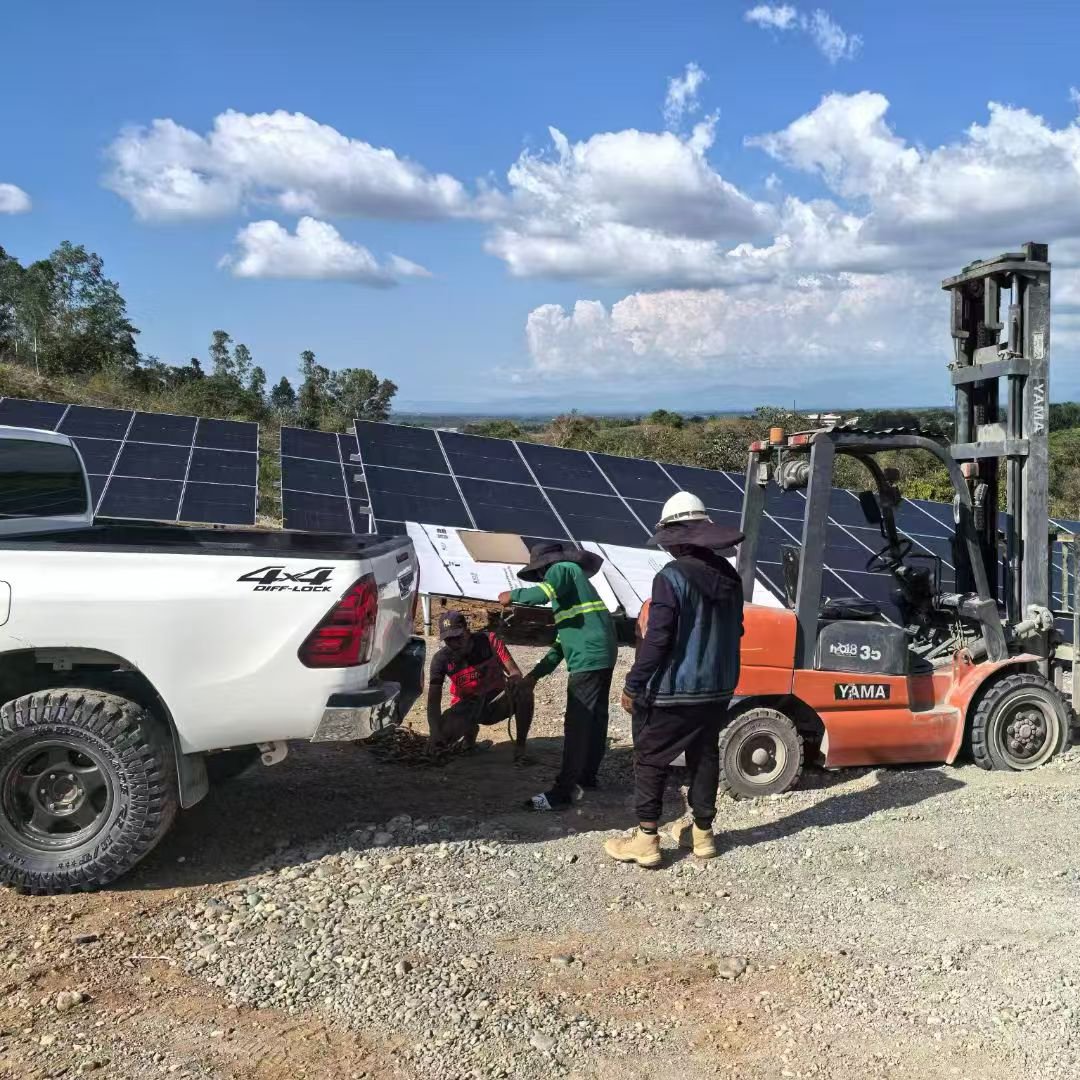
Traceability must continue through delivery. Record the installed cell and module identifiers, enclosure revision, protection and fire-system versions, and applicable report numbers. Sample production records at FAT and reconcile them again at site receipt. If several production lots or approved configurations are used, map serial-number ranges to the supporting evidence. This is especially important for multi-phase projects where a later block may look identical but contain revised components.
Apply the same discipline after handover. Maintenance teams need a rule for damaged-module replacement, fire-system repair and firmware changes. Augmentation and repowering reviews should reopen the propagation gap analysis because the new equipment may change spacing, exposure, controls or responder access. Preserve superseded reports and dispositions so an incident investigation or warranty review can reconstruct the evidence that applied at the time.
De kopersbeslissing
Accept a thermal-runaway propagation report when its test level answers the project question, the tested construction matches the offered product, the setup and deviations are understood, engineering teams can use the data and all installation differences have an approved disposition.
The conclusion is not “the battery passed.” The conclusion is a defined evidence boundary: what was tested, what was observed, which project decisions it supports and which risks still require design, operational or emergency controls.