

一份热失控传播报告可能包含数百页的温度数据、气体测量、照片和观察记录。买家往往将其简化为一句“无传播”,而未确认触发了什么、测试的是哪个层级、使用的是哪个设计版本,或安装方式是否与测试布置不同。
该报告并非一份通用证书,不能证明使用类似电池的每个项目都是安全的。它是来自特定测试对象、触发方式、状态、外壳、间距、通风及缓解配置的证据。专业审查应将这些条件追溯到所供设备及现场的火灾、爆炸、隔离和应急响应设计。
UL Solutions当前的 UL 9540A概述 描述了电芯、模组、单元和安装层级的目标,并解释了最新版本。买家应确认适用版本、测试层级和当地审批依据,而非将“已通过UL 9540A测试”视为完整答复。
确认报告、测试层级和预期决策
记录实验室、认可范围、报告编号、日期、标准版本、测试层级、委托方、产品名称、型号、电芯和模组标识、外壳版本及任何报告局限性。确认该文件是完整报告、执行摘要、信函还是营销摘录。摘要可能省略工程审查所需的设置和偏差信息。
明确报告需支持的项目决策:产品认证、隔离、消防系统设计、气体或爆炸分析、响应人员规划、许可审批或保险审查。不同问题需要不同的测试层级和数据。不要用单元级气体结果来证明单元间的火灾蔓延,也不要用单元测试来证明变更后的建筑布置。
| 测试层级 | 证据重点 | 买家不应推断 |
|---|---|---|
| 电芯 | 热失控特性及气体数据 | 完整模组或外壳行为 |
| 模组 | 电芯间传播趋势及释放物 | 单元间或建筑火灾性能 |
| 单位 | 模组传播、热/气体行为及外壳效应 | 每个现场的间距或房间布置 |
| 安装/大规模 | 规定设置下的火灾蔓延、暴露及已安装缓解措施 | 未经审查的设备或布局变更 |
| 产品认证 | 按产品标准和指定配置进行评估 | 每个司法管辖区的自动批准 |
将电芯和模组与所供产品进行比对
比较受测电芯的制造商、型号、化学体系、形态、容量、质量、尺寸和生产版本。然后比较模组布局、串/并联布置、间距、压缩力、屏障、热路径、母排、熔断及外壳。“相同化学体系”或“相同容量”不能确立等效性。
追溯替代和供应链变更。如果所供产品使用不同的电芯、屏障、排气路径或模组材料,需要求提供书面技术评估及主管部门、认证机构、消防工程师或保险公司要求的任何附加测试证据。将决策保留在项目记录中。
更广泛的区分 UL 9540、UL 9540A和NFPA 855指南 帮助采购团队区分产品评估、传播测试方法和安装标准。使用适用于现场的版本和采纳状态。
审查触发方式和状态
确认热失控是如何触发的、选择了哪个电芯、其在模组或单元中的位置,以及触发方法是否产生了代表性的加热和排气。记录电池荷电状态、调节条件、温度和静置时间。报告可能使用与常规运行不同的规定最坏情况或标准化条件;审查者必须理解其目的,而非将其重新标注为现场事故预测。
检查所选触发位置是否对相邻电芯、屏障、气体路径和缓解措施构成了挑战。如果产品包含多种模组或机架方向,确认测试了哪些方向。记录测试重复次数和偏差。未经技术论证,不应将单一结果推广至其记录范围之外。
美国能源部 储能安全战略计划 描述了经验证的安全性和系统设计与测试的重要性。应用该生命周期视角:测试证据为预防、缓解、安装、响应及后续变更控制提供信息。
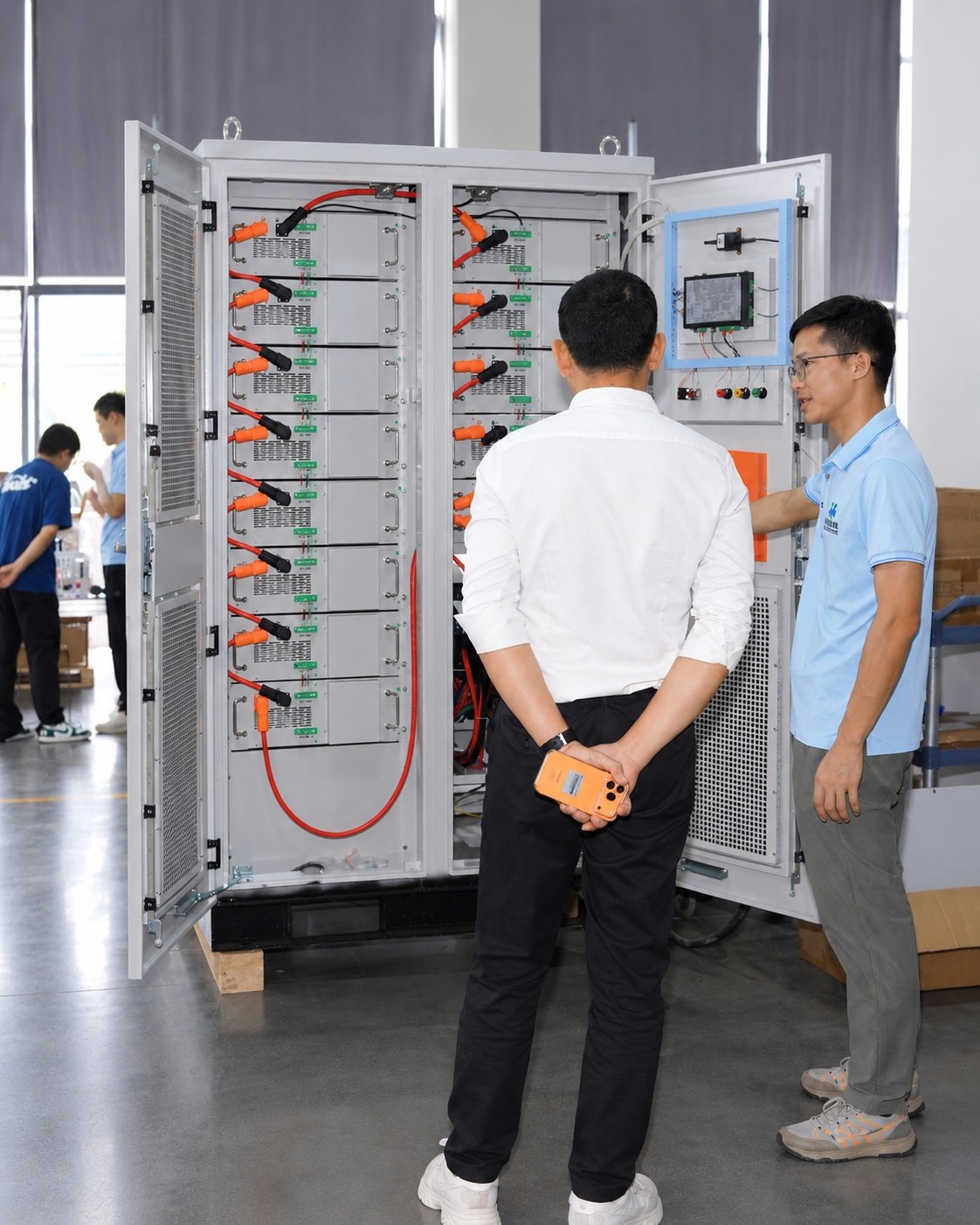
区分被动结构与主动系统
列出测试期间存在的所有主动和被动特征:电芯间距、绝缘、屏障、通风口、外壳面板、泄压装置、探测、BMS、接触器、风扇、泵、抑制系统及外部消防保护。说明哪些功能在运行、被禁用或因测试设计而不可用。
主动控制可改善正常探测和响应,但热失控可能中断电力、通信和传感器。应结合实际测试配置解读报告中的行为。如果测试方法有意不依赖某功能,则不应声称风扇、泵或BMS阻止了传播。
对于项目控制措施,将报告观察结果与 BESS火灾报警因果矩阵. 相关联。报告证据可支持阈值或动作,但现场必须单独验证已安装的探测、隔离、通风、抑制和通知路径。
综合解读气体、压力、热量和复燃数据
气体成分、释放速率、可燃性、温度、热释放、热通量和压力涉及不同的危害。询问消防和爆炸专家需要哪些数据,以及报告提供的是原始结果还是汇总结果。“未观察到火焰”的陈述并不意味着未产生可燃气体。
审查传感器位置、采样时间、检测限和不确定性。在测试外壳中某一点测量的气体可能无法代表项目房间中的每种浓度。热通量和目标温度取决于几何形状和距离。使用工程分析将测试数据转移到安装现场。
记录复燃或持续加热观察结果及监测持续时间。应急预案不应假设可见火焰停止即事件结束。将产品证据与 BESS应急信息包 相关联,使响应人员获得经核实的事实,而非简化的营销声明。
将测试布局与现场进行比较
比较外壳朝向、门、面板、通风口、与相邻单元和墙壁的间距、上方暴露条件、室内或室外条件、天花板、房间体积、通风、抑制系统、屏障及目标材料。将每项差异标记为等效、保守、需要分析或需要新证据。
UL Solutions 2026年公告关于 大规模BESS火灾测试 描述了增强的安装级评估。买方应确认其报告使用的是哪个版本和测试方法,以及当前项目是否依赖于该证据范围之外的配置。
不要忽视现场排水、通道和邻近危险。测试可以支持间距和热暴露分析,但不涉及应急车辆路线、径流控制、公用设施隔离或事故后储存的设计。这些仍属于现场责任。
| 比较字段 | 报告条件 | 项目审查 |
|---|---|---|
| 电芯/模组/单元修订 | 确切测试标识 | 匹配、已评估变更或新证据 |
| 荷电状态与调节 | 定义的测试状态 | 理解目的与保守性 |
| 引发点/方法 | 所用电池及位置 | 与产品布置的相关性 |
| 外壳开口 | 门、通风口和泄压状态 | 与安装硬件和控制装置匹配 |
| 间距/暴露 | 目标、墙壁和相邻单元 | 现场布局在支持依据范围内 |
| 主动缓解措施 | 运行、禁用或外部 | 无无依据的依赖 |
| 仪器仪表 | 气体、压力、热量和温度测点 | 数据适用于工程用途 |
| 持续时间/终止状态 | 监测、复燃和观察 | 应急/恢复假设一致 |
检查偏差、异常和不成功运行
阅读偏差和观察章节,而不仅是结论。注意引发失败、传感器丢失、面板意外开启、设备故障、设置变更、数据不完整或重复运行。确定实验室和报告作者如何处理每个问题,以及是否限制了项目决策。
索取审查所需的引用附录、照片和原始数据摘要。涂黑可能保护专有设计,但不应删除主管机构或消防工程师评估配置和结果所需的信息。必要时建立保密审查渠道。
美国环境保护署的 BESS安全与环境考量 提供了有用的安装和应急规划背景。将这些项目级考量与产品特定测试报告结合使用,并直接确认当前主管机构要求。
将报告与采购和变更控制相衔接
要求投标人标明报告编号、适用产品型号、标准版本、偏差和项目差距。供应商应在制造前披露计划中的电芯、模组、屏障、外壳、固件或缓解措施变更。业主决定更新后的设计是否仍在已接受的证据范围内。
在工厂和现场审查时,验证安全论证所依赖的构造和设置。使用 BESS FAT协议 记录产品标识、固件和功能控制。FAT无法复现破坏性传播测试,但可以确认所供配置与已审查证据一致。
运行开始后,对照报告依据筛查模组更换、扩容、增容改造、消防系统修改和外壳维修。将报告、差距分析、批准文件和当前产品登记册保存在一起。无法映射到安装序列号的报告其生命周期价值有限。
在RFQ中使用报告审查日程表
| RFQ交付物 | 最低内容 | 验收点 |
|---|---|---|
| 报告登记册 | 实验室、编号、日期、版本、级别和产品标识 | 投标技术审查 |
| Configuration mapping | Cell, module, unit and mitigation against offered product | Before design approval |
| Project gap matrix | Test layout versus site layout and fire systems | Fire-engineer/AHJ review |
| 数据包 | Gas, heat, pressure, photos, observations and deviations | Suitable for analysis |
| Safety-function mapping | Passive and active features present during test | No unsupported claim |
| Responder summary | Verified hazards, remaining energy and test observations | Emergency plan accepted |
| Production conformity | Traceability and controlled substitutions | Before shipment |
| Lifecycle change rule | Screening, re-analysis and new-test triggers | Transferred to operations |
使用 商业 BESS 采购清单 to connect propagation evidence with certification, site safety, commissioning, service and change control. A low-price bid with an unmapped report can transfer significant approval work to the owner.
Turn Measurements into Project Decisions
A report can contain hundreds of temperature, heat-flux, gas and video observations. Procurement teams do not need to reproduce the laboratory analysis, but they do need a decision map. Each important observation should be assigned to a design question: separation distance, wall rating, ventilation concept, gas detection, pressure relief, emergency isolation, firefighting access or post-event monitoring. If a measurement is cited in the safety case, record its sensor location, time basis, range and any limitation. A peak value without location and timing can be easy to quote and hard to use.
Heat-flux data deserve particular care. Confirm the target surface, orientation, distance, sampling interval and whether the quoted result is a peak, an average or a threshold-duration value. Compare those details with the exposure the project engineer is assessing. A sensor positioned beside a test unit does not automatically establish the heat input at a building façade, boundary or differently oriented adjacent enclosure. The fire-protection engineer should make that translation and document the assumptions.
Gas results also require context. The report may identify gas species, concentration trends, release timing or flammability observations, but readings depend on sampling point, dilution, ventilation, enclosure state and analytical method. Ask whether the data support detector selection, alarm thresholds, ventilation logic or only general hazard identification. Do not copy a concentration from a test report into a site setpoint without a qualified controls and fire-safety review.
Pressure events should be traced against the physical sequence. Note when doors, vents, panels or other relief features moved; whether the movement was intentional; and whether fragments or hot material affected targets. Confirm that the installed relief path remains unobstructed after cable routing, weather protection, adjacent equipment and maintenance access are added. A design change outside the enclosure can still invalidate an installation assumption.
Large-scale research helps teams understand why full observations matter. Sandia National Laboratories’ report on large-scale energy-storage fire testing discusses fire spread, gas generation and the value of data for emergency response. Use such research to improve review questions, while keeping product-specific decisions tied to the tested product and the authority-approved project analysis.
Define What Happens When the Product Changes
Propagation evidence is configuration-sensitive. A change to cell supplier, electrode format, module spacing, thermal interface material, busbar insulation, vent path, barrier, door seal, firmware, cooling arrangement or fire-system logic can alter initiation, propagation or release behavior. The contract should therefore define a controlled baseline before purchase order and require written notice before a safety-relevant substitution. “Equivalent component” is not a sufficient engineering disposition.
The change review should name the responsible parties and possible outcomes. A proposed change may be accepted as within the documented test family, supported by a laboratory or engineering assessment, restricted by an installation control, or sent for additional testing. The supplier should provide the comparison evidence; the owner, engineer, insurer and authority retain their respective approval roles. Set review lead times early so a late substitution does not force an unsafe choice between schedule and evidence.
Traceability must continue through delivery. Record the installed cell and module identifiers, enclosure revision, protection and fire-system versions, and applicable report numbers. Sample production records at FAT and reconcile them again at site receipt. If several production lots or approved configurations are used, map serial-number ranges to the supporting evidence. This is especially important for multi-phase projects where a later block may look identical but contain revised components.
Apply the same discipline after handover. Maintenance teams need a rule for damaged-module replacement, fire-system repair and firmware changes. Augmentation and repowering reviews should reopen the propagation gap analysis because the new equipment may change spacing, exposure, controls or responder access. Preserve superseded reports and dispositions so an incident investigation or warranty review can reconstruct the evidence that applied at the time.
买方的决策
Accept a thermal-runaway propagation report when its test level answers the project question, the tested construction matches the offered product, the setup and deviations are understood, engineering teams can use the data and all installation differences have an approved disposition.
The conclusion is not “the battery passed.” The conclusion is a defined evidence boundary: what was tested, what was observed, which project decisions it supports and which risks still require design, operational or emergency controls.