
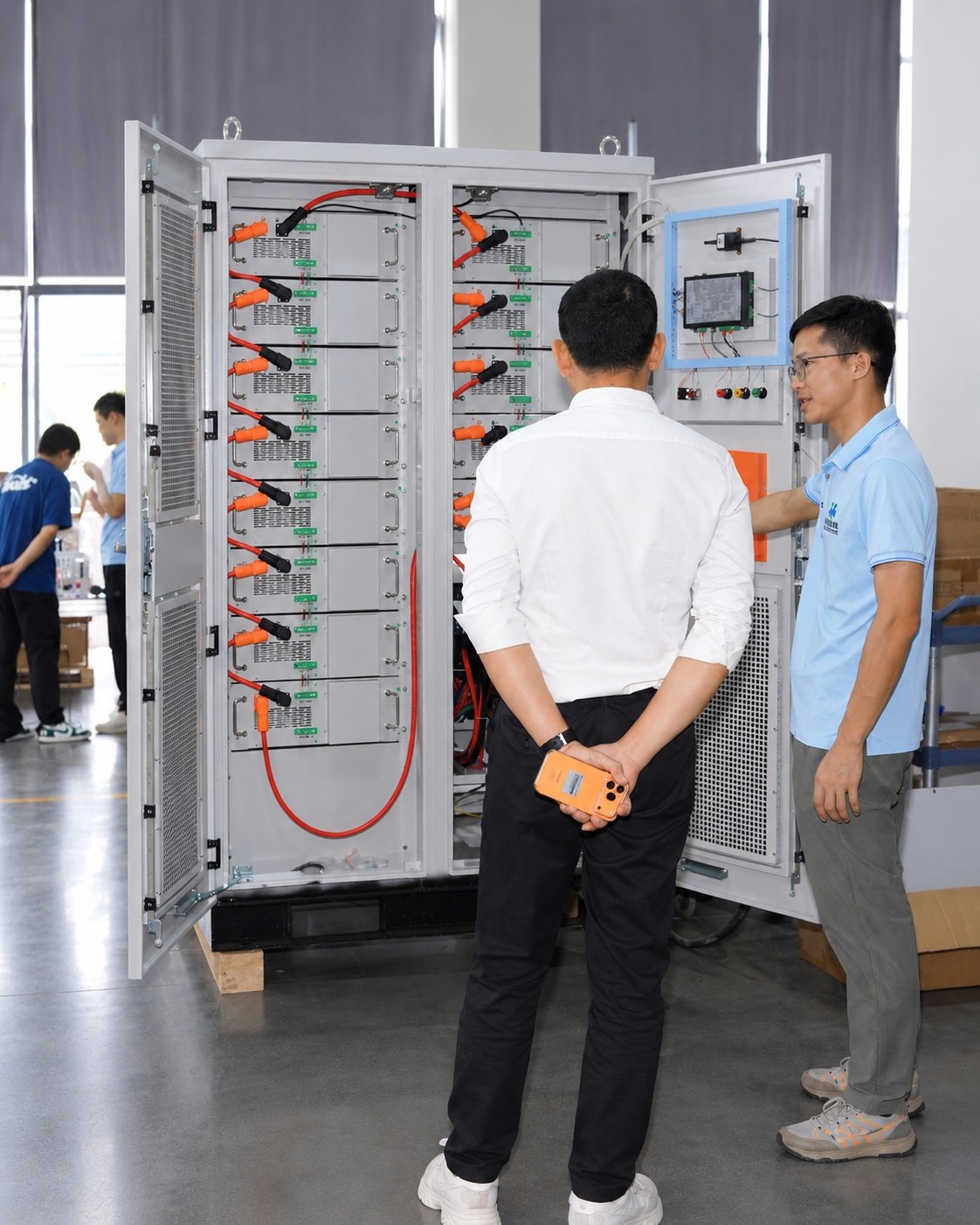
Plan wycofania z eksploatacji BESS powinien określać wyzwalacz, organ decyzyjny, bezpieczne wyłączenie, ocenę energii resztkowej, demontaż, magazynowanie tymczasowe, transport, ścieżkę ponownego użycia lub recyklingu, odpowiedzialność za odpady, zamknięcie danych i rekultywację terenu przed rozpoczęciem budowy. Potrzebny jest również proces nieplanowanego wycofania z eksploatacji po uszkodzeniu, niewypłacalności, utracie pozwolenia lub nieopłacalnej naprawie.
Plan nie jest akapitem o recyklingu na koniec okresu eksploatacji. Jest to harmonogram odpowiedzialności w cyklu życia, który łączy właściciela gruntu, właściciela aktywów, EPC, dostawcę sprzętu, dostawcę usług O&M, licencjonowanych przewoźników, zakłady odbiorcze, ubezpieczyciela i organ mający jurysdykcję. Jeśli te role pozostaną nieprzypisane, teren może zachować urządzenia pod napięciem, uszkodzone lub o niejasnym statusie prawnym po zaprzestaniu generowania przychodów.
Bezpośrednia odpowiedź: zdefiniować, kiedy rozpoczyna się wycofanie z eksploatacji, kto kontroluje decyzje elektryczne i bezpieczeństwa, jak zostanie sklasyfikowany stan każdej baterii, który podmiot prawny jest właścicielem każdego strumienia materiałów oraz jakie dowody potwierdzają legalny transport, odbiór, recykling i rekultywację terenu.
Data przeglądu badań: 19 listopada 2026 r. Obowiązki prawne różnią się w zależności od kraju, stanu i stanu baterii. Niniejszy przewodnik wspiera zamówienia i planowanie projektów; nie stanowi porady prawnej i nie twierdzi, że jedna zasada dotycząca odpadów, transportu lub recyklingu ma zastosowanie globalnie.
Oddzielne zdefiniowanie wyzwalaczy planowanych i nieplanowanych
Planowane wycofanie z eksploatacji może nastąpić po wygaśnięciu umowy najmu, gospodarczym końcu okresu użytkowania, repowering, trwałej utracie pojemności lub warunku pozwolenia. Nieplanowane wycofanie z eksploatacji może nastąpić po pożarze, powodzi, uszkodzeniu mechanicznym, wycofaniu ze względów bezpieczeństwa, utracie wsparcia dostawcy lub awarii, której naprawa nie została zatwierdzona. Druga ścieżka może wymagać kwarantanny, dochodzenia i specjalistycznego pakowania przed możliwym normalnym procesem demontażu.
Departament Energii Stanów Zjednoczonych Strategiczny plan bezpieczeństwa magazynowania energii z 2024 r. opisuje wycofanie z eksploatacji jako wyłączenie i usunięcie z eksploatacji, demontaż i transport, utylizację/ponowne użycie/recykling oraz rekultywację lub remediację. Rozróżnia również zdarzenia planowane od nieplanowanych i wskazuje odpowiedzialność, koszty i bezpieczeństwo jako kluczowe kwestie. Nabywcy powinni przełożyć te funkcje na nazwane strony umowy.
| Wyzwalacz | Dowody decyzyjne | Natychmiastowa kontrola |
|---|---|---|
| Koniec planowanego okresu użytkowania | Przegląd umowy najmu, pozwolenia, finansów i wydajności | Zatwierdzony program wyłączenia i usunięcia |
| Repowering lub rozbudowa | Porównanie projektów i ocena zatrzymanego sprzętu | Oddzielenie aktywów wielokrotnego użytku od materiałów wychodzących |
| Uszkodzenie lub incydent bezpieczeństwa | Ocena stanu i instrukcje organu | Izolacja, ograniczony dostęp i plan awaryjny |
| Wycofanie ze względów bezpieczeństwa lub wada systemowa | Powiadomienie producenta i numery seryjne objęte problemem | Wstrzymanie użytkowania, monitorowanie i zatwierdzona dyspozycja |
| Niewypłacalność dostawcy lub właściciela | Przegląd umowy, tytułu prawnego i zabezpieczeń | Ochrona terenu, dokumentacji i organu decyzyjnego |
| Zakończenie pozwolenia lub prawa do gruntu | Powiadomienie regulatora lub właściciela gruntu | Zgodność z terminami usunięcia bez niebezpiecznego przyspieszania |
| Nieopłacalna naprawa | Niezależny przegląd stanu i kosztów | Utrzymanie bezpiecznego stanu do czasu zatwierdzenia ścieżki |
Oddzielenie technicznego końca okresu użytkowania od prawnego statusu odpadu
Bateria usunięta z pierwotnego projektu może zostać oceniona pod kątem ponownego użycia, zwrócona w ramach gwarancji, przekazana do testów, poddana recyklingowi lub potraktowana jako odpad. Te ścieżki mają różne wymagania dotyczące własności, transportu i odbioru. Nie należy pozwalać, aby etykieta handlowa, taka jak “drugie życie”, określała klasyfikację prawną bez dowodów.
FAQ Amerykańskiej Agencji Ochrony Środowiska dotyczące recyklingu baterii litowo-jonowych wyjaśnia amerykańskie federalne uwarunkowania dotyczące odpadów uniwersalnych i niebezpiecznych oraz zauważa, że uszkodzone, wadliwe lub wycofane z rynku baterie podlegają szczególnym kontrolom transportu. Przepisy stanowe mogą być bardziej rygorystyczne. Poza Stanami Zjednoczonymi projekt wymaga przeglądu obowiązków w zakresie odpadów, towarów niebezpiecznych, eksportu i odpowiedzialności producenta w danej jurysdykcji.
W przypadku europejskich łańcuchów dostaw należy powiązać plan z obowiązkami ocenianymi w naszym przewodniku po Rozporządzeniu UE w sprawie baterii dla magazynowania stacjonarnego oraz w planie danych paszportu baterii przemysłowej. Oficjalny tekst Rozporządzenia (UE) 2023/1542 powinien zostać przejrzany pod kątem kategorii baterii, daty wprowadzenia do obrotu, roli operatora i aktualnych zmian, a nie sprowadzany do ogólnego twierdzenia o recyklingu.
Ustanowienie bezpiecznego stanu przed pracami mechanicznymi

Procedura wyłączenia powinna określać polecenie operacyjne, docelowy SOC, jeśli to właściwe, zasilanie pomocnicze, punkty izolacji AC i DC, weryfikację braku lub obecności napięcia, blokadę/oznakowanie, zagrożenia związane z energią zmagazynowaną oraz uprawnienie do zwolnienia sprzętu do pracy. Wyświetlana wartość zerowej mocy nie dowodzi, że wewnętrzne sekcje DC są bezpieczne.
Damaged equipment needs a separate route. Swelling, leakage, heat, impact, flooding, fire exposure or unexplained insulation faults can change handling and transport. Obtain manufacturer and qualified safety input before moving suspect batteries. Preserve incident evidence and do not dismantle simply to fit standard packaging.
Nasz battery DC isolation review is relevant to the electrical boundary, while the decommissioning plan must extend through mechanical removal and final transfer. The work package should state which residual systems remain energized for monitoring, ventilation, fire detection or security during the transition.
Build a Material and Evidence Ledger
Create a ledger that connects each outgoing unit to its project tag, serial number, chemistry, mass or declared shipping data, condition, ownership, destination, carrier and receiving document. Keep intact modules, damaged modules, power electronics, transformers, cables, refrigerants, fire-system materials and general scrap as distinct streams until a qualified party confirms their route.
| Ledger field | Cel | Closeout evidence |
|---|---|---|
| Asset and serial identity | Preserves traceability from installed system | As-built register and removal record |
| Condition classification | Separates normal, suspect and damaged material | Inspection, photos and authorized decision |
| Electrical state | Communicates residual-energy and isolation status | Measurement and safe-state certificate |
| Owner and transfer point | Prevents gaps in legal and financial responsibility | Title or custody document |
| Packaging and transport basis | Supports dangerous-goods compliance | Approved packaging, labels and shipping record |
| Receiving facility | Confirms authorized destination and route | Permit or qualification evidence |
| Final treatment | Distinguishes reuse, recycling and disposal | Receipt and treatment certificate |
| Site location released | Confirms equipment and contamination closure | Survey, inspection and landowner acceptance |
The EPA’s lithium-ion battery recycling resource explains recycling pathways and U.S. regulatory context. A recycler’s marketing statement is not enough; verify that the facility is authorized for the material and condition being shipped and that downstream treatment evidence meets the contract and applicable law.
Plan Transport after the Condition Is Known
Transport rules apply to the battery condition, configuration, mode and route. A battery that originally arrived under valid documentation may not be eligible to leave in the same packaging after damage or modification. Request the UN 38.3 test summary and transport information during procurement, but do not treat them as blanket approval for end-of-life movement.
Our article UN 38.3 is not shipping approval explains the distinction. At decommissioning, a qualified shipper must classify the actual article, packaging and route under current rules. The plan should name who makes that decision and who pays when damaged equipment requires specialized containment or cannot use the planned mode.
Set the Financial Security and Update Rule
A decommissioning estimate should state its scope, price date, currency, tax treatment, access assumptions, equipment condition, transport distance, recycling credits if any, site-restoration standard and contingency basis. Do not present a possible recovered-material value as guaranteed revenue. Credits can change with condition, chemistry, market and receiving-facility terms.
Assign who funds the work if the project company fails. Depending on the jurisdiction and land agreement, mechanisms may include a bond, reserve, guarantee or another security. Legal counsel and the authority having jurisdiction must determine the form. The technical team should ensure the secured scope matches the actual removal and safety obligations.
Review the estimate after major augmentation, equipment replacement, regulatory change, route change or incident. The system described in the original permit may no longer match the installed asset. Link this update to the planem zwiększenia pojemności BESS so added modules and removed equipment do not disappear from the end-of-life budget.
Decide Reuse, Repowering and Recycling through Evidence
Reuse should begin with a defined second application and an engineering assessment, not the assumption that remaining capacity equals suitability. Review condition, fault history, traceability, cell or module variation, insulation, BMS support, enclosure, interfaces, transport status and the safety requirements of the receiving application. The original warranty and certification basis may not transfer.
Repowering may retain transformers, switchgear, cables, buildings or controls while replacing battery and PCS equipment. Verify ratings, fault levels, grounding, protection, communications, fire strategy and permits for the new configuration. Clearly separate retained assets from outgoing material in the ledger so ownership and inspection do not become ambiguous during construction.
Recycling decisions should consider the authorized facility, accepted chemistry and form, packaging, route, downstream processing and evidence provided after receipt. A quotation that pays for material may exclude damaged batteries, mixed chemistries, disassembly or transport. Model the cost under both normal and damaged conditions without assuming a positive salvage value.
DOE specyfikacja techniczna BESS litowo-jonowych z 2025 r. is intended to be adapted during procurement. Use that stage to require serial and configuration records, manufacturer end-of-life instructions, replaceable-material information and the data needed for future condition assessment.
Prepare for Incident-Driven Decommissioning
After fire, flooding, impact or internal failure, normal removal assumptions may no longer apply. The site may contain energized sections, unstable structures, contaminated water, damaged fire systems or batteries whose condition cannot be determined visually. Incident command, evidence preservation and responder safety take priority over schedule and asset recovery.
Create an escalation path from emergency response to stabilization, investigation and removal. Define who can declare equipment safe to move, who interfaces with insurers and regulators, and how ownership of samples or failed components is managed. Prevent contractors from discarding evidence needed for root-cause, warranty or legal review.
Temporary storage after an incident needs a site-specific plan for separation, monitoring, weather protection, access and emergency response. Do not move suspect batteries into an ordinary warehouse while the final recycler is selected. The storage duration and condition may also change the approved transport route.
Contract the difference between emergency stabilization and final decommissioning. The first may need immediate specialist resources under uncertain conditions; the second can follow a verified work package. A financial security sized only for orderly end-of-life removal may not cover incident controls, so the risk allocation should be reviewed with insurance and legal teams.
Close Data and Cyber Access as Well as Equipment
Build a Cost Estimate That Shows Its Assumptions
A single cost per megawatt or megawatt-hour hides the work that determines actual liability. Break the estimate into engineering, isolation, lifting, packaging, temporary storage, condition assessment, transport, receiving fees, recycling or treatment, civil removal, soil or drainage work, security, professional services and final reporting. Identify taxes, escalation basis and the date and currency of the estimate.
Separate costs that depend on battery condition from costs that apply to an orderly project. Damaged or suspect units may require different packaging, route approval, monitoring, specialist attendance and destination. Do not assume that material value will offset these costs unless a named receiving route and commercial basis support the assumption. Record salvage as a scenario, not a guaranteed credit.
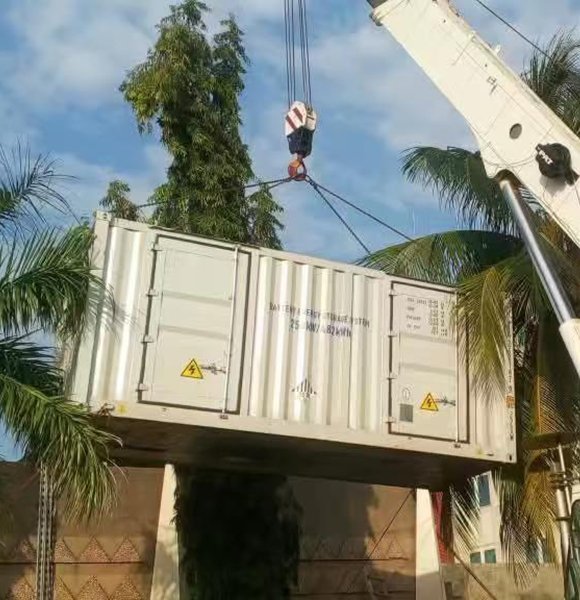
Test the estimate against access and site constraints. Crane position, ground bearing, overhead lines, container orientation, road limits, seasonal conditions and the sequence for removing auxiliary systems can change the method. Include the cost of maintaining security, fire precautions, monitoring and insurance while equipment waits for removal or a receiving facility.
Define who updates the estimate and how the financial security follows it. Reviews should reflect the current equipment register, actual site condition, available contractors and legal routes. If the security is capped or released in stages, state the evidence required before each reduction. The amount should remain connected to the work the responsible party would have to procure at that time.
Keep the Plan Valid through the Operating Life
A decommissioning plan written for the initial design can become unusable after augmentation, module replacement, fire-system changes or a new service provider. Maintain a controlled equipment and material register that records major additions, removals, ownership changes and the location of supporting safety information. The plan owner should review whether each material stream still has an authorized receiving route and whether the named contractors still provide the required service.
Set review triggers instead of relying only on a calendar. Useful triggers include a material change to the battery technology, a serious incident, a change in waste or transport rules, termination of a recycler or carrier agreement, a revised land-restoration obligation and a change in the entity providing financial security. A scheduled review is still valuable, but an event-driven update prevents the plan from remaining formally current while its key assumptions have failed.
Exercise the plan as a tabletop scenario before operations staff and supplier contacts disperse. Use one orderly retirement case and one damaged-battery case. Ask who has authority to isolate the plant, who classifies condition, where temporary storage is established, who contacts the receiving facility, what evidence travels with the shipment and which party approves final restoration. Record unresolved dependencies as contract or operating actions.
The evidence retained during operation directly affects the options available at end of service. Preserve serial and batch identity, service history, relevant alarms, repairs, tests, exposure to incidents and custody changes. A buyer of reused equipment or a specialist recycler may need different information, but both need more than an asset list created after shutdown. Good records allow the owner to choose a route based on condition and legal status instead of assuming every battery has the same destination.
Decommissioning must remove remote accounts, VPN access, cloud tenants, certificates, API keys, service SIMs and data-sharing permissions. Preserve records required for warranties, incident review, environmental reporting and legal retention before deleting operational data. Agree who receives the final export and who confirms revocation.
For reused equipment, remove the previous owner’s confidential data without erasing safety, service or provenance records needed by the next responsible party. Record firmware and settings at transfer. A powered-down controller with an active remote account is not fully decommissioned.
Use a Responsibility Matrix in the Tender
| Deliverable | Strona odpowiedzialna do wskazania | Punkt odbioru |
|---|---|---|
| Trigger and approval procedure | Owner, landowner and authority interface | Before financial close |
| Safe shutdown method | System supplier, EPC and qualified operator | Przed podaniem napięcia |
| Condition-classification procedure | Qualified battery and safety specialists | Before removal work |
| Transport and packaging plan | Qualified shipper and carrier | After condition is confirmed |
| Receiving facilities | Owner or waste contractor | Authorization verified before shipment |
| Data and access closure | Owner IT/OT and service provider | Before final account termination |
| Site restoration | EPC or decommissioning contractor | Landowner and regulator acceptance |
| Cost estimate and security | Owner, finance and legal teams | Updated at defined lifecycle gates |
| Final evidence dossier | Decommissioning manager | All transfers and restoration closed |
The Lifecycle Decision
Approve a project decommissioning plan only when it can handle both an orderly end of service and a damaged, unplanned event. The owner should know who can make the site safe, how batteries will be classified, where each material stream can legally go, and how removal will be funded if the project company cannot perform.
Keep the plan current through equipment changes, regulatory updates and service events. Decommissioning is complete only when physical, environmental, commercial, data and access responsibilities are closed with traceable evidence.