
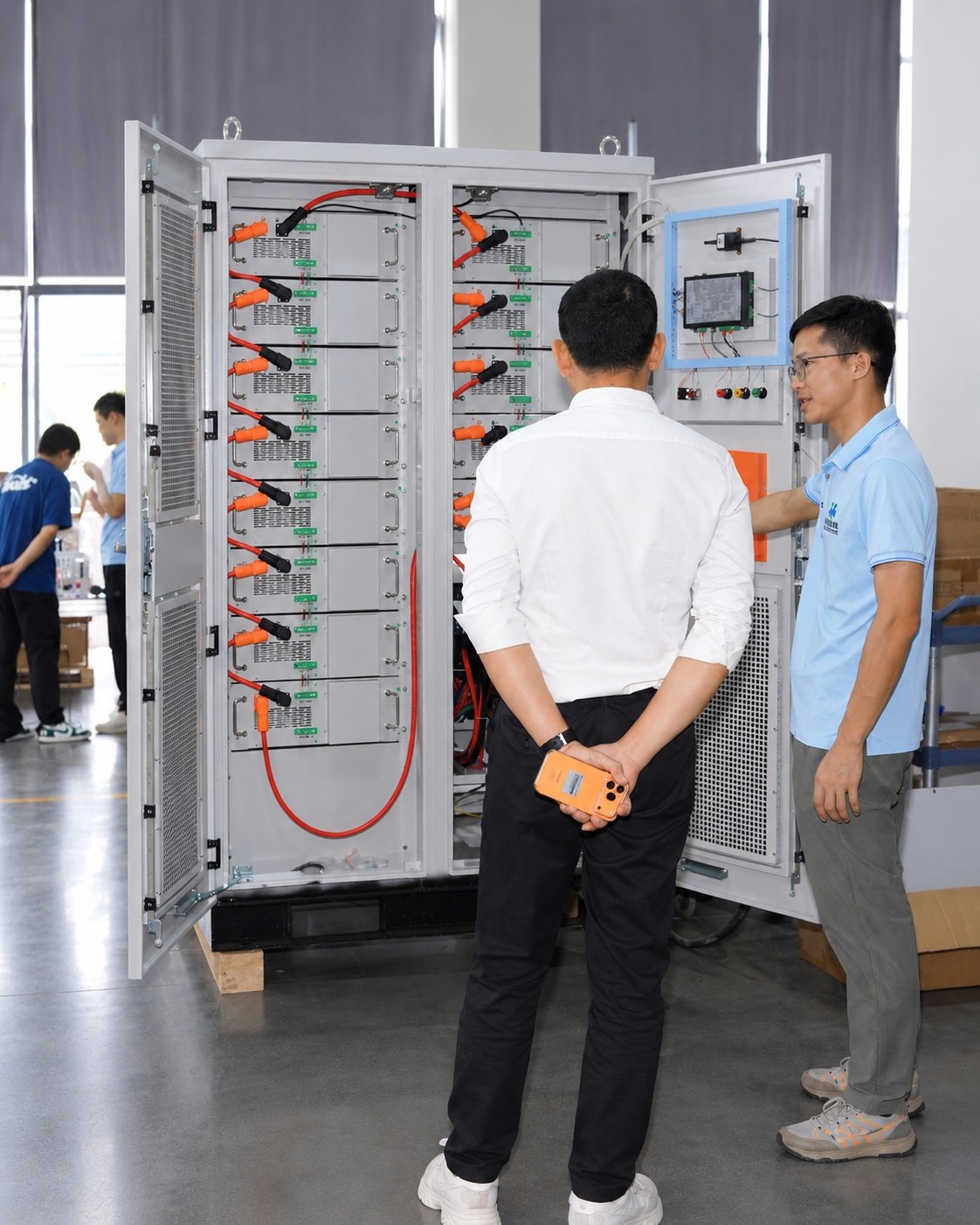
A BESS decommissioning plan should assign the trigger, decision authority, safe shutdown, stranded-energy assessment, disassembly, temporary storage, transport, reuse or recycling route, waste responsibility, data closure and site restoration before construction begins. It also needs a process for unplanned decommissioning after damage, insolvency, permit loss or an uneconomic repair.
The plan is not an end-of-life recycling paragraph. It is a lifecycle responsibility schedule that connects the landowner, asset owner, EPC, equipment supplier, O&M provider, licensed carriers, receiving facilities, insurer and authority having jurisdiction. If those roles are left open, the site can retain energized, damaged or legally ambiguous equipment after revenue stops.
Direct answer: define when decommissioning starts, who controls electrical and safety decisions, how every battery condition will be classified, which legal entity owns each material stream, and what evidence proves lawful transport, receipt, recycling and site restoration.
Research review date: 19 November 2026. Legal duties differ by country, state and battery condition. This guide supports procurement and project planning; it is not legal advice and does not claim that one waste, transport or recycling rule applies globally.
Define Planned and Unplanned Triggers Separately
Planned decommissioning may follow lease expiry, economic end of service, repowering, persistent capacity loss or a permit condition. Unplanned decommissioning may follow fire, flooding, mechanical damage, a safety recall, loss of supplier support or a failure whose repair is not approved. The second path can require quarantine, investigation and specialized packaging before the normal dismantling sequence is possible.
The U.S. Department of Energy’s 2024 Energy Storage Safety Strategic Plan describes decommissioning as shutdown and removal from service, disassembly and transport, disposal/reuse/recycling, and restoration or remediation. It also distinguishes planned from unplanned events and identifies responsibility, cost and safety as core considerations. Buyers should translate those functions into named contract parties.
| Trigger | Decision evidence | Immediate control |
|---|---|---|
| End of planned service | Lease, permit, financial and performance review | Approved shutdown and removal programme |
| Repowering or augmentation | Design comparison and retained-equipment assessment | Separate reusable assets from outgoing material |
| Damage or safety incident | Condition assessment and authority instructions | Isolation, restricted access and emergency plan |
| Recall or systemic defect | Manufacturer notice and affected serial numbers | Stop-use, monitoring and approved disposition |
| Supplier or owner insolvency | Contract, title and security review | Protect site, records and decision authority |
| Permit or land-right termination | Regulator or landowner notice | Comply with removal dates without unsafe acceleration |
| Uneconomic repair | Independent condition and cost review | Preserve safe state while route is approved |
Separate Technical End of Service from Legal Waste Status
A battery removed from the original project may be evaluated for reuse, returned under warranty, transferred for testing, recycled or treated as waste. These routes have different ownership, transport and receiving requirements. Do not let a commercial label such as “second life” determine the legal classification without evidence.
The U.S. Environmental Protection Agency’s lithium-ion battery recycling FAQ explains U.S. federal considerations for universal and hazardous waste and notes that damaged, defective or recalled batteries face specific transport controls. State rules can be more stringent. Outside the United States, the project needs a jurisdiction-specific review of waste, dangerous goods, export and producer-responsibility duties.
For European supply chains, connect the plan to the duties assessed in our EU Battery Regulation guide for stationary storage and the industrial battery passport data plan. The official text of Regulation (EU) 2023/1542 should be reviewed for the battery category, placing-on-market date, operator role and current amendments rather than reduced to a generic recycling claim.
Establish a Safe State before Mechanical Work

The shutdown procedure should identify the operating command, SOC target if appropriate, auxiliary supplies, AC and DC isolation points, verification of absence or presence of voltage, lockout/tagout, stored-energy hazards and authority to release equipment for work. A displayed zero power value does not prove that internal DC sections are safe.
Damaged equipment needs a separate route. Swelling, leakage, heat, impact, flooding, fire exposure or unexplained insulation faults can change handling and transport. Obtain manufacturer and qualified safety input before moving suspect batteries. Preserve incident evidence and do not dismantle simply to fit standard packaging.
Our battery DC isolation review is relevant to the electrical boundary, while the decommissioning plan must extend through mechanical removal and final transfer. The work package should state which residual systems remain energized for monitoring, ventilation, fire detection or security during the transition.
Build a Material and Evidence Ledger
Create a ledger that connects each outgoing unit to its project tag, serial number, chemistry, mass or declared shipping data, condition, ownership, destination, carrier and receiving document. Keep intact modules, damaged modules, power electronics, transformers, cables, refrigerants, fire-system materials and general scrap as distinct streams until a qualified party confirms their route.
| Ledger field | Purpose | Closeout evidence |
|---|---|---|
| Asset and serial identity | Preserves traceability from installed system | As-built register and removal record |
| Condition classification | Separates normal, suspect and damaged material | Inspection, photos and authorized decision |
| Electrical state | Communicates residual-energy and isolation status | Measurement and safe-state certificate |
| Owner and transfer point | Prevents gaps in legal and financial responsibility | Title or custody document |
| Packaging and transport basis | Supports dangerous-goods compliance | Approved packaging, labels and shipping record |
| Receiving facility | Confirms authorized destination and route | Permit or qualification evidence |
| Final treatment | Distinguishes reuse, recycling and disposal | Receipt and treatment certificate |
| Site location released | Confirms equipment and contamination closure | Survey, inspection and landowner acceptance |
The EPA’s lithium-ion battery recycling resource explains recycling pathways and U.S. regulatory context. A recycler’s marketing statement is not enough; verify that the facility is authorized for the material and condition being shipped and that downstream treatment evidence meets the contract and applicable law.
Plan Transport after the Condition Is Known
Transport rules apply to the battery condition, configuration, mode and route. A battery that originally arrived under valid documentation may not be eligible to leave in the same packaging after damage or modification. Request the UN 38.3 test summary and transport information during procurement, but do not treat them as blanket approval for end-of-life movement.
Our article UN 38.3 is not shipping approval explains the distinction. At decommissioning, a qualified shipper must classify the actual article, packaging and route under current rules. The plan should name who makes that decision and who pays when damaged equipment requires specialized containment or cannot use the planned mode.
Set the Financial Security and Update Rule
A decommissioning estimate should state its scope, price date, currency, tax treatment, access assumptions, equipment condition, transport distance, recycling credits if any, site-restoration standard and contingency basis. Do not present a possible recovered-material value as guaranteed revenue. Credits can change with condition, chemistry, market and receiving-facility terms.
Assign who funds the work if the project company fails. Depending on the jurisdiction and land agreement, mechanisms may include a bond, reserve, guarantee or another security. Legal counsel and the authority having jurisdiction must determine the form. The technical team should ensure the secured scope matches the actual removal and safety obligations.
Review the estimate after major augmentation, equipment replacement, regulatory change, route change or incident. The system described in the original permit may no longer match the installed asset. Link this update to the BESS capacity augmentation plan so added modules and removed equipment do not disappear from the end-of-life budget.
Decide Reuse, Repowering and Recycling through Evidence
Reuse should begin with a defined second application and an engineering assessment, not the assumption that remaining capacity equals suitability. Review condition, fault history, traceability, cell or module variation, insulation, BMS support, enclosure, interfaces, transport status and the safety requirements of the receiving application. The original warranty and certification basis may not transfer.
Repowering may retain transformers, switchgear, cables, buildings or controls while replacing battery and PCS equipment. Verify ratings, fault levels, grounding, protection, communications, fire strategy and permits for the new configuration. Clearly separate retained assets from outgoing material in the ledger so ownership and inspection do not become ambiguous during construction.
Recycling decisions should consider the authorized facility, accepted chemistry and form, packaging, route, downstream processing and evidence provided after receipt. A quotation that pays for material may exclude damaged batteries, mixed chemistries, disassembly or transport. Model the cost under both normal and damaged conditions without assuming a positive salvage value.
The DOE 2025 lithium-ion BESS technical specification resource is intended to be adapted during procurement. Use that stage to require serial and configuration records, manufacturer end-of-life instructions, replaceable-material information and the data needed for future condition assessment.
Prepare for Incident-Driven Decommissioning
After fire, flooding, impact or internal failure, normal removal assumptions may no longer apply. The site may contain energized sections, unstable structures, contaminated water, damaged fire systems or batteries whose condition cannot be determined visually. Incident command, evidence preservation and responder safety take priority over schedule and asset recovery.
Create an escalation path from emergency response to stabilization, investigation and removal. Define who can declare equipment safe to move, who interfaces with insurers and regulators, and how ownership of samples or failed components is managed. Prevent contractors from discarding evidence needed for root-cause, warranty or legal review.
Temporary storage after an incident needs a site-specific plan for separation, monitoring, weather protection, access and emergency response. Do not move suspect batteries into an ordinary warehouse while the final recycler is selected. The storage duration and condition may also change the approved transport route.
Contract the difference between emergency stabilization and final decommissioning. The first may need immediate specialist resources under uncertain conditions; the second can follow a verified work package. A financial security sized only for orderly end-of-life removal may not cover incident controls, so the risk allocation should be reviewed with insurance and legal teams.
Close Data and Cyber Access as Well as Equipment
Build a Cost Estimate That Shows Its Assumptions
A single cost per megawatt or megawatt-hour hides the work that determines actual liability. Break the estimate into engineering, isolation, lifting, packaging, temporary storage, condition assessment, transport, receiving fees, recycling or treatment, civil removal, soil or drainage work, security, professional services and final reporting. Identify taxes, escalation basis and the date and currency of the estimate.
Separate costs that depend on battery condition from costs that apply to an orderly project. Damaged or suspect units may require different packaging, route approval, monitoring, specialist attendance and destination. Do not assume that material value will offset these costs unless a named receiving route and commercial basis support the assumption. Record salvage as a scenario, not a guaranteed credit.
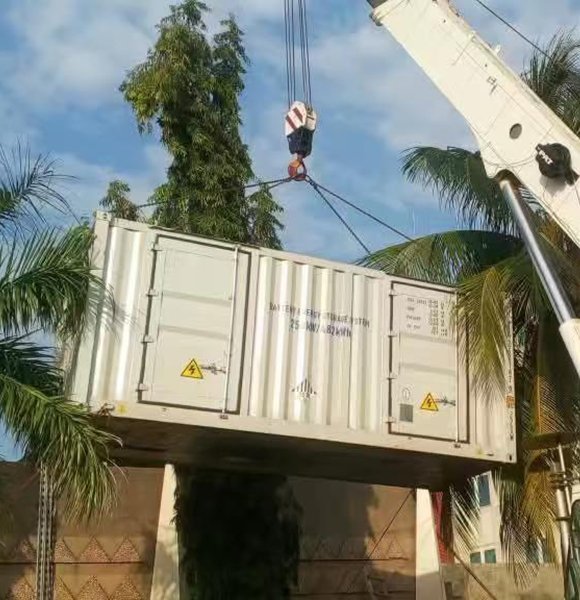
Test the estimate against access and site constraints. Crane position, ground bearing, overhead lines, container orientation, road limits, seasonal conditions and the sequence for removing auxiliary systems can change the method. Include the cost of maintaining security, fire precautions, monitoring and insurance while equipment waits for removal or a receiving facility.
Define who updates the estimate and how the financial security follows it. Reviews should reflect the current equipment register, actual site condition, available contractors and legal routes. If the security is capped or released in stages, state the evidence required before each reduction. The amount should remain connected to the work the responsible party would have to procure at that time.
Keep the Plan Valid through the Operating Life
A decommissioning plan written for the initial design can become unusable after augmentation, module replacement, fire-system changes or a new service provider. Maintain a controlled equipment and material register that records major additions, removals, ownership changes and the location of supporting safety information. The plan owner should review whether each material stream still has an authorized receiving route and whether the named contractors still provide the required service.
Set review triggers instead of relying only on a calendar. Useful triggers include a material change to the battery technology, a serious incident, a change in waste or transport rules, termination of a recycler or carrier agreement, a revised land-restoration obligation and a change in the entity providing financial security. A scheduled review is still valuable, but an event-driven update prevents the plan from remaining formally current while its key assumptions have failed.
Exercise the plan as a tabletop scenario before operations staff and supplier contacts disperse. Use one orderly retirement case and one damaged-battery case. Ask who has authority to isolate the plant, who classifies condition, where temporary storage is established, who contacts the receiving facility, what evidence travels with the shipment and which party approves final restoration. Record unresolved dependencies as contract or operating actions.
The evidence retained during operation directly affects the options available at end of service. Preserve serial and batch identity, service history, relevant alarms, repairs, tests, exposure to incidents and custody changes. A buyer of reused equipment or a specialist recycler may need different information, but both need more than an asset list created after shutdown. Good records allow the owner to choose a route based on condition and legal status instead of assuming every battery has the same destination.
Decommissioning must remove remote accounts, VPN access, cloud tenants, certificates, API keys, service SIMs and data-sharing permissions. Preserve records required for warranties, incident review, environmental reporting and legal retention before deleting operational data. Agree who receives the final export and who confirms revocation.
For reused equipment, remove the previous owner’s confidential data without erasing safety, service or provenance records needed by the next responsible party. Record firmware and settings at transfer. A powered-down controller with an active remote account is not fully decommissioned.
Use a Responsibility Matrix in the Tender
| Deliverable | Responsible party to name | Acceptance point |
|---|---|---|
| Trigger and approval procedure | Owner, landowner and authority interface | Before financial close |
| Safe shutdown method | System supplier, EPC and qualified operator | Before energization |
| Condition-classification procedure | Qualified battery and safety specialists | Before removal work |
| Transport and packaging plan | Qualified shipper and carrier | After condition is confirmed |
| Receiving facilities | Owner or waste contractor | Authorization verified before shipment |
| Data and access closure | Owner IT/OT and service provider | Before final account termination |
| Site restoration | EPC or decommissioning contractor | Landowner and regulator acceptance |
| Cost estimate and security | Owner, finance and legal teams | Updated at defined lifecycle gates |
| Final evidence dossier | Decommissioning manager | All transfers and restoration closed |
The Lifecycle Decision
Approve a project decommissioning plan only when it can handle both an orderly end of service and a damaged, unplanned event. The owner should know who can make the site safe, how batteries will be classified, where each material stream can legally go, and how removal will be funded if the project company cannot perform.
Keep the plan current through equipment changes, regulatory updates and service events. Decommissioning is complete only when physical, environmental, commercial, data and access responsibilities are closed with traceable evidence.