
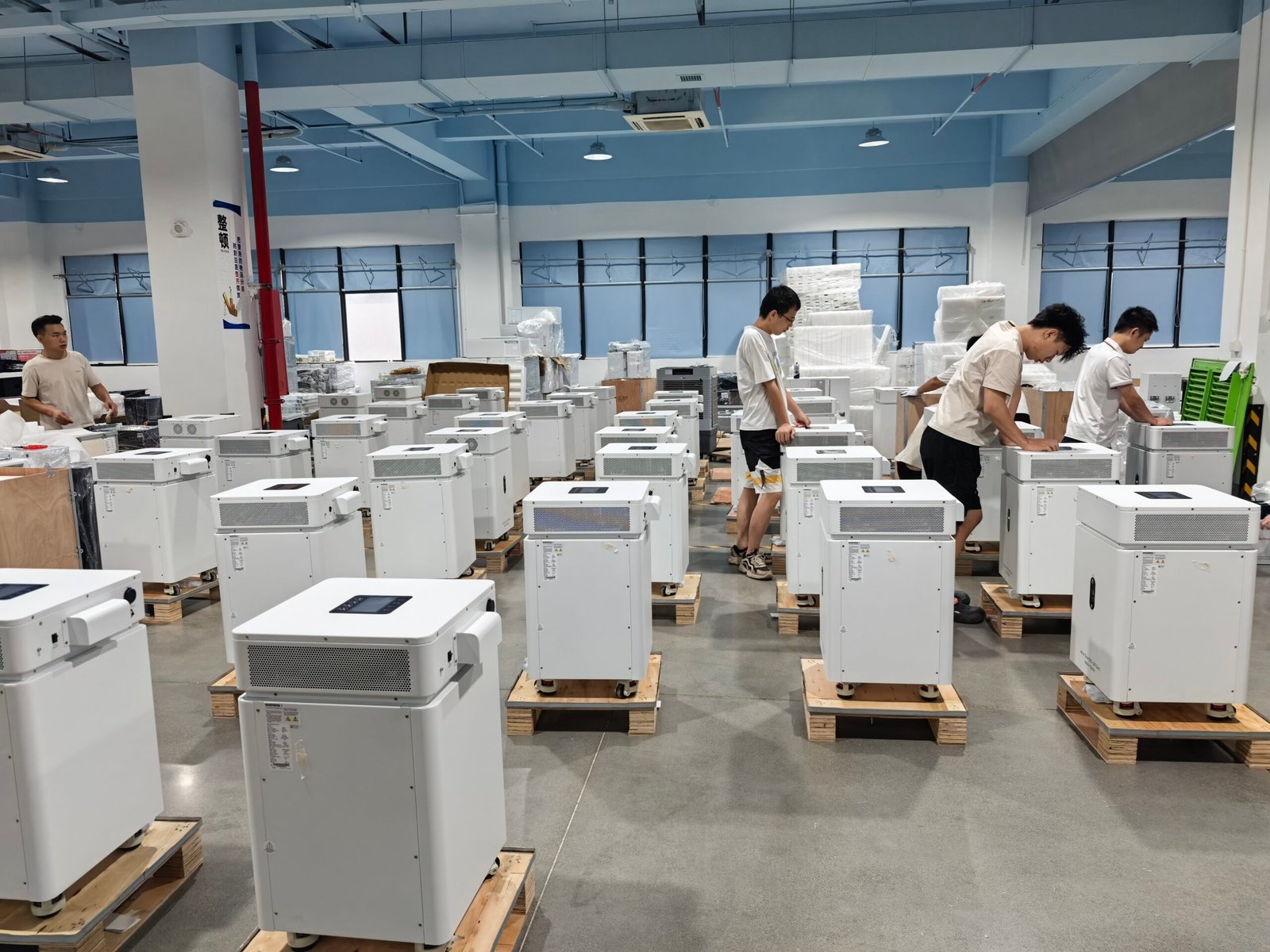
O desequilíbrio de células é frequentemente reduzido a um único número: a diferença entre a tensão mais alta e a mais baixa das células. Esse número pode ser importante, mas não é uma medida universal de aprovação/reprovação. Uma dispersão observada sob carga pode refletir resistência e temperatura; uma dispersão próxima da porção plana da curva de tensão do LiFePO4 pode revelar pouco sobre o estado de carga; um valor durante o balanceamento pode diferir do mesmo pack após repouso.
Os compradores de BESS precisam de um método de aceitação repetível que distinga variação normal de produção, divergência temporária de estado de carga, erro de sensor, balanceamento inadequado, capacidade fraca, alta resistência e um defeito emergente. O método deve indicar a condição operacional, a qualidade dos dados, os limites, as etapas de diagnóstico, a correção e a disposição de garantia.
A página da IEC para IEC 62619:2022 confirma que o seu âmbito inclui requisitos de segurança e ensaios para células e baterias secundárias de lítio em aplicações industriais e estacionárias. A evidência de conformidade do produto é importante, mas a aceitação do projeto ainda necessita de dados específicos da configuração e critérios operacionais.
Definir qual desequilíbrio o projeto está a medir
Separar a dispersão de tensão, a dispersão de estado de carga, a dispersão de capacidade, a dispersão de resistência e a dispersão de temperatura. Influenciam-se mutuamente, mas não são intercambiáveis. Um BMS normalmente mede a tensão de células ou de grupos paralelos e temperaturas em pontos selecionados; pode estimar o SOC e a resistência utilizando algoritmos. Perguntar o que é medido diretamente, o que é calculado e qual a precisão ou incerteza aplicável.
Indicar o nível elétrico: células, grupos paralelos, módulos, racks ou strings. Um grupo paralelo pode ocultar a condição de uma célula individual, enquanto uma média ao nível do rack pode ocultar um módulo fraco. O fornecedor deve explicar a menor unidade visível e a menor unidade substituível. O DOE Plano Estratégico de Segurança de Armazenamento de Energia refere o papel da medição de tensão, da medição de temperatura e do balanceamento no design do módulo e do BMS.
Utilizar as limitações de medição de SOC discutidas no guia de deriva de SOC de LiFePO4. A dispersão de tensão durante uma região de tensão plana não pode ser interpretada como a dispersão próxima de um joelho de carga ou descarga. Registar a direção da corrente, a taxa C, a temperatura, o repouso recente e a atividade de balanceamento.
| Diferença observada | Possíveis explicações | Evidência necessária |
|---|---|---|
| Dispersão de tensão das células sob carga | SOC, resistência, temperatura, conexão ou medição | Corrente, temperaturas, comparação em repouso e verificação do canal |
| Dispersão próxima do limite de carga | Divergência de capacidade ou restrição de balanceamento | Histórico de carga, estado de balanceamento e ciclo de repetição |
| Dispersão próxima do limite de descarga | Capacidade fraca, resistência ou célula a baixa temperatura | Energia entregue, temperaturas das células e recuperação |
| Um canal ruidoso | Problema de cablagem, conector, ADC ou ligação à terra | Medição independente e diagnóstico do canal |
| Tendência de aumento lento | Divergência por envelhecimento ou diferença térmica recorrente | Tendência em ciclos comparáveis e histórico de manutenção |
| Degrau permanente súbito | Célula, conexão, sensor ou alteração de configuração | Registos de eventos, manutenção e inspeção física |
Especificar a condição de medição antes do limite
Um limite contratual deve identificar o estado da bateria, a corrente, a temperatura, o período de repouso, a taxa de amostragem, os filtros, a ativação do balanceamento e o ponto no ciclo. Sem estas condições, duas partes podem selecionar capturas de ecrã diferentes do mesmo dia e chegar a conclusões opostas. O procedimento de ensaio deve reter o traço completo, não apenas a dispersão máxima.
Utilizar mais do que uma condição quando a questão de engenharia o exigir. Um repouso controlado pode reduzir as diferenças de tensão óhmica e apoiar a comparação de sensores. A carga e a descarga próximas dos limites aprovados podem revelar qual grupo atinge primeiro a proteção. Um segmento de potência moderada pode mostrar divergência de temperatura ou resistência. Nunca forçar as células para fora dos limites do fornecedor para criar uma condição de diagnóstico.
Definir as exclusões com cuidado. Um canal de sensor em manutenção conhecida deve permanecer como defeito aberto, não desaparecer do cálculo. Os dados durante uma transição de contactor podem ser excluídos se a regra for previamente acordada e o registo bruto for retido. Evitar a remoção manual de valores atípicos sem disposição técnica.
Verificar a cadeia de medição antes de culpar a célula
Verificar a conexão da cablagem, o mapeamento de canais, a referência, o diagnóstico do ADC, o firmware e o timestamp. Comparar os canais selecionados do BMS com um instrumento independente adequado sob um procedimento seguro e aprovado. Um canal desviado ou intermitente pode influenciar as decisões de balanceamento e proteção como se a célula eletroquímica estivesse em falta.
Rever a medição de temperatura na mesma área física. Um grupo de células mais frio pode apresentar uma tensão sob carga diferente sem perda permanente de capacidade. Confirmar o comportamento do fluxo de ar ou do refrigerante, a colocação dos sensores e o estado operacional recente. Não “corrigir” um problema térmico aumentando o tempo de balanceamento.
Preservar a sequência de alarmes através do processo de triagem de alarmes do BESS. Registar tensão, temperatura, corrente, SOC, contactor, comandos de balanceamento e flags de proteção antes do reset. O desvio mais precoce pode identificar se a medição, o controlo térmico ou o comportamento das células mudou primeiro.
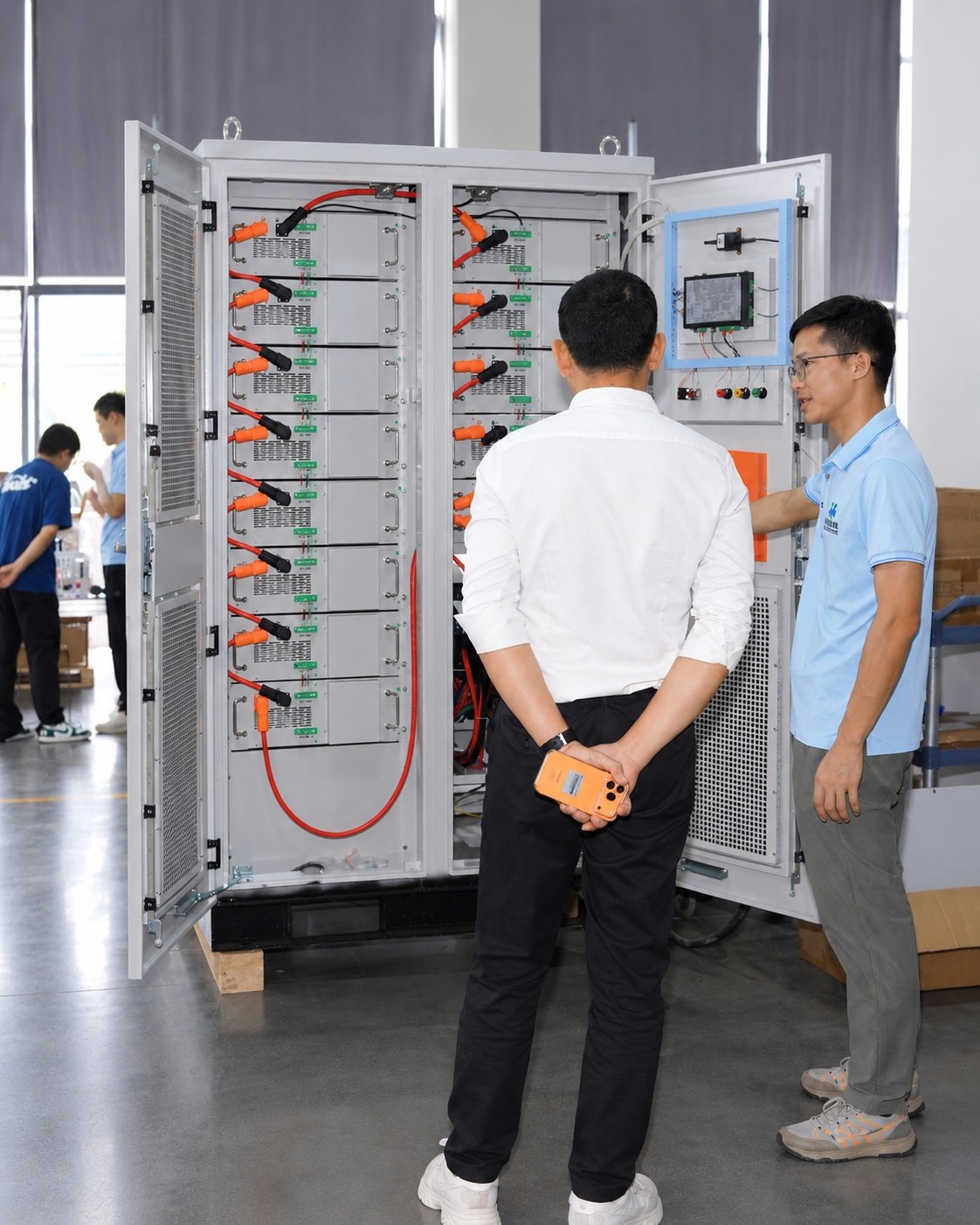
Compreender o que o balanceamento pode e não pode corrigir
Perguntar se o balanceamento é passivo ou ativo, quando é ativado, a sua corrente ou capacidade de transferência, os limites de temperatura, o custo energético, a autoridade de controlo e as saídas de diagnóstico. Uma função de balanceamento pode reduzir a divergência de SOC; não pode restaurar capacidade perdida, reparar alta resistência, corrigir um sensor avariado ou remover um gradiente térmico recorrente.
Definir o tempo esperado e a oportunidade operacional necessária para o balanceamento. Uma frota que raramente atinge a tensão ou o estado de repouso necessários pode não receber tempo de balanceamento suficiente. O modelo de aquisição deve refletir o ciclo de trabalho real e não um ciclo de laboratório que o site não realizará.
Acompanhar a atividade de balanceamento como evidência. A operação persistente nas mesmas células, a falha de convergência, o aumento de temperatura ou a limitação de carga repetida exigem diagnóstico. Não ocultar o balanceamento excessivo reportando apenas a dispersão final após um longo ciclo de manutenção.
Ligar o desequilíbrio à energia utilizável e à garantia
Uma string em série pode atingir a proteção de carga ou descarga quando um grupo atinge o seu limite, deixando energia indisponível no resto da string. Portanto, uma divergência ao nível da célula pode afetar a energia utilizável do rack mesmo que o SOC médio pareça normal. Utilizar o método repetível no battery SOH testing guide to connect cell behavior with a controlled capacity or energy result.
O relatório de 2026 do Sandia sobre energy fade versus capacity fade shows why lifecycle reporting needs clear metrics. An imbalance investigation should record energy, voltage and operating limits rather than using capacity language for every performance loss.
Align notification and remedy with the BESS warranty throughput guide. State what data the owner must preserve, who diagnoses, whether balancing is a maintenance action, when modules are replaced and how repaired capacity is retested. Avoid a warranty rule that lets the supplier run indefinite balancing without a closure criterion.
Build a Repeatable Acceptance Sequence
Start with identity and configuration: cell and module type, production lots, firmware, calibration status, thermal system and prior cycles. Stabilize the battery within the approved condition. Complete a defined charge, rest, discharge or partial sequence while recording all cell-group voltages, temperatures, current, energy, SOC, balancing and protection flags.
Evaluate spread at pre-agreed points, the groups that reach limits first, delivered energy and temperature behavior. Repeat enough of the sequence to distinguish one-time SOC divergence from repeatable behavior. If balancing or conditioning is permitted, record the exact action and compare results under the same condition.
UL Solutions’ battery module and pack testing overview describes safety and performance testing across modules and packs, including stationary-battery evaluation. Project acceptance is different from certification: use certified configuration evidence as an input, then verify the delivered system and BMS data under the contracted duty.
| Acceptance step | Dados necessários | Decisão |
|---|---|---|
| Configuration check | Identity, firmware, sensors, limits and recent history | Test object matches contract |
| Measurement verification | Selected independent voltage/temperature comparison | Channels are trustworthy |
| Controlled operating segment | All cell groups, current, energy, SOC and temperature | Spread is evaluated at defined condition |
| Rest comparison | Voltages and temperatures after approved rest | Loaded and persistent differences are separated |
| Balancing review | Commands, duration, affected groups and result | Function converges within declared capability |
| Repeat segment | Same metrics under comparable condition | Result is repeatable |
| Exception diagnosis | Sensor, thermal, resistance, capacity and connection evidence | Cause and affected identity are bounded |
| Closure test | Repair/conditioning record and repeated result | Battery meets approved acceptance criterion |
Use Trends without Creating False Precision
Use a Hierarchy of Criteria, Not One Screenshot Limit
Separate protection limits, operational alarms, maintenance-review triggers and contractual acceptance criteria. A protection limit prevents operation outside the product’s safe envelope. A maintenance trigger calls for investigation before protection is reached. A contractual criterion determines whether the delivered or repaired system meets the agreed condition. Giving all three the same number creates either nuisance intervention or an unsafe commercial tolerance.
Define the consequence for each criterion. A warning can create a work order and increase monitoring. A persistent outlier may restrict charge or discharge range. A repeatable energy loss may trigger a warranty test. A protection event can require immediate isolation under the supplier’s safety logic. The contract should not force operations to continue merely because a formal capacity claim has not yet been completed.
Include data-quality rules. If cell telemetry is missing, frozen or implausible, do not calculate a deceptively small spread from the remaining channels. Flag the interval, identify the affected equipment and apply the approved fallback. The acceptance test should state how many missing points invalidate a rack or string result.
Use engineering review for borderline results. Measurement accuracy, temperature gradients, current stability and sampling alignment can matter near a threshold. The reviewer should document uncertainty and decide whether to repeat, extend observation or investigate; silent rounding should not determine acceptance.
Account for Parallel Groups and Thermal Gradients
Where cells are connected in parallel before series connection, the BMS may observe group voltage rather than individual-cell current. One cell with elevated resistance or reduced capacity can be partly masked by its parallel neighbors. Ask what production screening, current sharing, fusing and diagnostic evidence support the parallel-group design.
Temperature sensors also represent locations, not every cell. Compare sensor placement with cooling flow and known hot or cold positions. A module-level temperature that appears normal does not prove uniform cell temperature. Acceptance should use the supplier’s validated sensor architecture and thermal evidence, while field trends look for repeatable positional differences.
When one location repeatedly reaches voltage or temperature limits first, inspect the shared causes: airflow obstruction, coolant imbalance, busbar resistance, connector heating, enclosure solar exposure or sensor attachment. Replacing a cell or module without correcting the local condition can reproduce the same divergence.
After a thermal-system repair, repeat the electrical comparison under a similar duty. A better temperature pattern may reduce loaded-voltage spread without any balancing. Record both results so the project does not misclassify the improvement as restored cell capacity.
Require an Export the Owner Can Recalculate
The owner should receive timestamped cell-group voltage, temperature, current, rack and string identity, SOC, protection state and balancing status at a resolution suitable for the agreed test. Include units, time zone, quality flags, channel map and firmware. A PDF heat map helps review but cannot replace structured source data.
Provide the calculation method for maximum, minimum, spread, exclusions and operating-point selection. Ask an independent reviewer to reproduce one test result from the export before acceptance. This catches reordered channels, unit conversion, time alignment and filtering differences while the supplier’s test team is available.
Retain raw files, calculated results and the configuration together. If firmware later changes SOC estimation, balancing or logging, preserve the earlier method and state whether trends remain comparable. A lifecycle chart built from different hidden algorithms can create a false deterioration or improvement.
Control privacy and cybersecurity without denying the operations team access to its asset condition. Define authorized recipients, secure transfer and supplier support rights. The data package should outlast a cloud subscription and remain usable if the original service portal is unavailable.
Trend comparable operating points, not arbitrary daily maxima. A cell spread during a high-power cold morning should not be compared directly with a rested warm pack. Store the condition and calculation method with each result. Track which cell groups repeatedly define charge and discharge limits.
Set review triggers for sudden step, persistent outlier, accelerating divergence, repeated protection, abnormal balancing or energy impact. The trigger opens diagnosis; it does not automatically prove a cell defect. Preserve full data so the supplier cannot dismiss the event as an isolated screenshot and the owner cannot overstate normal variation.
Sandia’s 2026 work on aged-cell safety testing highlights that aging condition can affect safety behavior and that fresh-cell evidence does not answer every lifecycle question. Use trend and service history when screening an aging outlier for continued operation or replacement.
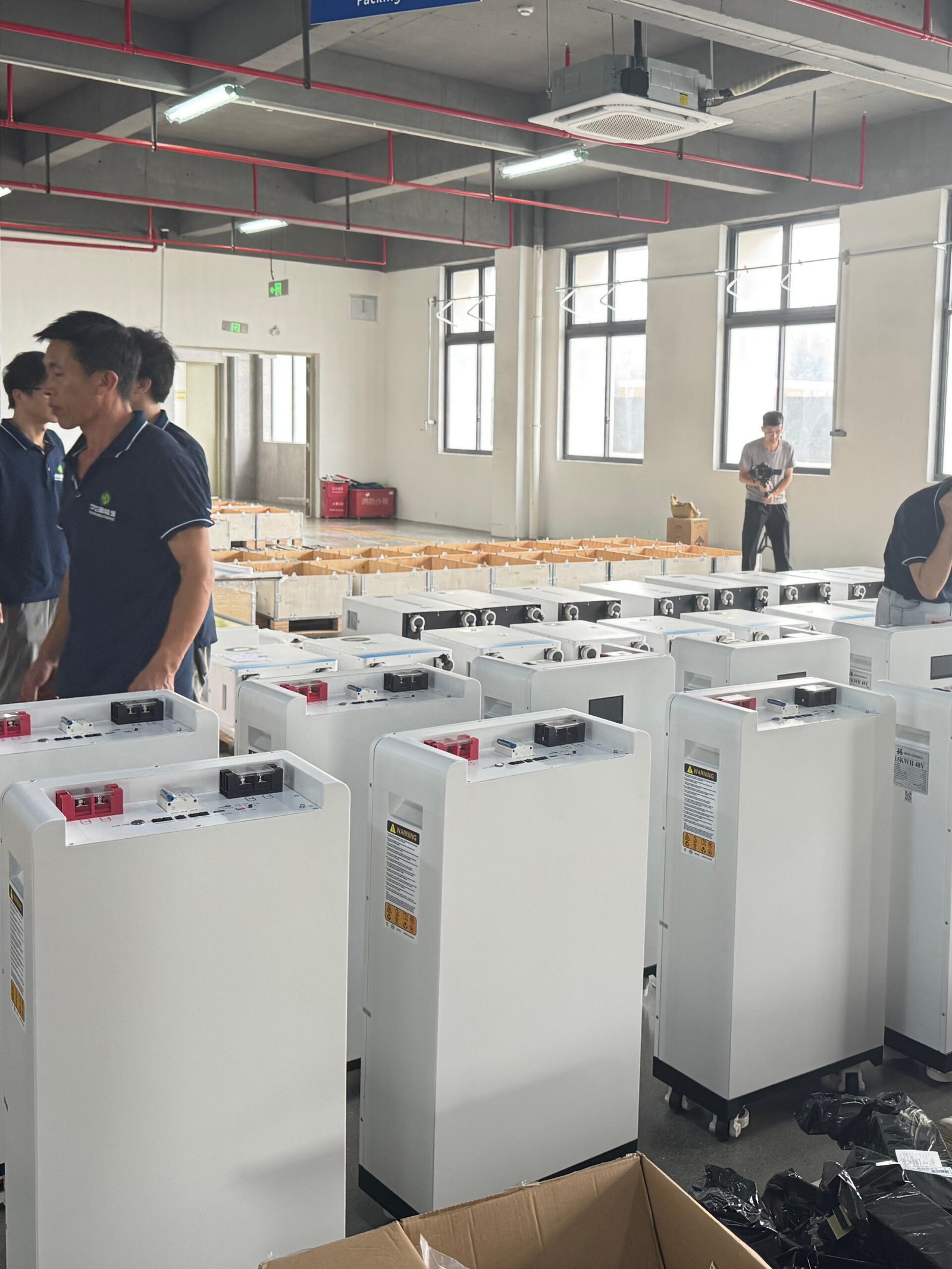
Control Module Replacement and Augmentation
A new module can differ in SOC, capacity, resistance, firmware or production revision from an aged string. Require supplier compatibility approval, controlled preconditioning, settings review and post-installation test. Do not connect a replacement and rely on balancing to resolve every mismatch.
O Guia de aumento de capacidade do BESS explains lifecycle interface planning. Apply the same discipline to module replacement: record the reason, identity, incoming condition, removed-module evidence, balancing history and updated baseline.
Put the Evidence Requirements into the RFQ
| RFQ field | Resposta do fornecedor | Evidência de aceitação |
|---|---|---|
| Measurement architecture | Visible unit, accuracy, sampling, filters and diagnostics | Channel verification |
| Balancing design | Method, capability, enable conditions and limits | Functional demonstration and data |
| Normal behavior | Expected spread by operating condition | Configuration-specific declaration |
| Alarm and protection | Thresholds, delays, actions and reset authority | FAT/SAT event records |
| Teste de aceitação | States, data, calculations, criteria and repeatability | Owner receives raw and calculated results |
| Diagnostic route | Sensor, thermal, resistance and capacity checks | Exception procedure |
| Warranty remedy | Conditioning, replacement, retest and response | Commercial schedule |
| Lifecycle trend | Retention, export and review triggers | Owner can compare equivalent cycles |
A decisão de aceitação
Accept cell-imbalance performance when the measurement chain is verified, data come from defined operating conditions, balancing behaves within its declared capability, repeatable outliers have a documented diagnosis and the battery delivers the contracted energy without one group prematurely controlling operation.
The goal is not a cosmetically small voltage spread. It is a traceable battery condition in which sensors, thermal control, balancing, capacity and protection work together—and the owner can recognize when they stop doing so.