
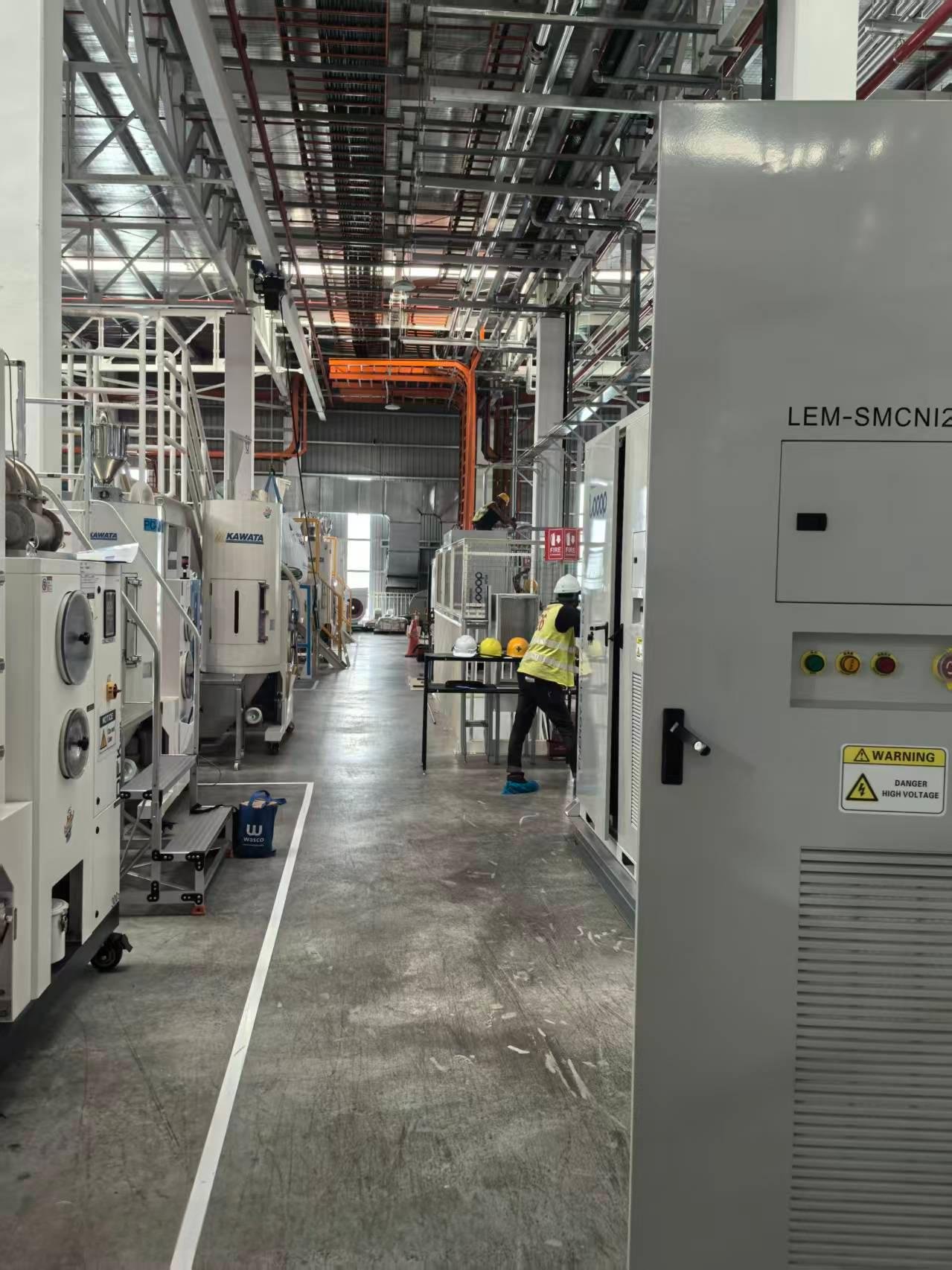
BESS包含持续的直流能量、多个连接器、母线、电缆、接触器、熔断器和功率变换接口。松动、损坏或污染的连接可能产生发热或电弧条件,而这些并不表现为简单的螺栓短路。买方不应假设过流保护装置或通用设备证书能够证明对每一种可能的电弧路径均具备检测和分断能力。
采购任务是获取有关预防、故障遏制、所用检测、隔离、人员保护和恢复投运的证据。该证据必须与所提供的电池模块、直流汇集、PCS、外壳和安装相匹配。“具备电弧故障保护”这一表述并不完整,除非供应商明确说明功能、检测依据、覆盖导体、限值、清除路径和试验。
ARPA-E的 BREAKERS项目 解释了直流的一个根本性挑战:不存在可与交流相比拟的自然电流过零点,因此分断需要针对直流条件设计和额定化的设备。BESS买方应追溯每一台分断设备的电压、电流、极性、时间常数、故障 duty 和系统配置,而不是以类比方式接受交流额定值。
区分三个问题:设备损坏、火灾引发和人员暴露
短路保护限制设备损坏并隔离大电流故障。电弧故障检测可能针对与意外电弧相关的特征电流或电压行为。电弧闪光风险评估涉及任务期间潜在的人员暴露。这些问题相互关联但彼此不同,具有不同的证据和验收决策。
不要将人员标签用作设备检测内部串联电弧的证明,也不要用电弧故障检测器替代安全作业规划。业主需要设备额定值和配合关系、供应商的安全与功能分析、安装质量控制、针对具体任务的电气安全评估,以及在需要时建立电气安全作业条件的操作规程。
现行的 IEEE 1584.1-2022页面 明确指出,相关的IEEE 1584计算模型涵盖定义明确的三相交流系统,不包括直流系统。买方不应在没有合格工程依据的情况下将交流计算方法应用于BESS直流外壳。记录用于直流人员风险评估的方法、范围、假设和局限性。
| 问题 | 主要证据 | 常见错误假设 |
|---|---|---|
| 设备能否承受或分断故障? | 可用故障数据、直流设备额定值和配合关系 | 交流断路器额定值可直接沿用 |
| 意外电弧能否引发或持续? | 连接设计、材料、间距、施工工艺和故障分析 | 只有螺栓短路才重要 |
| 是否提供电弧故障检测? | 覆盖的故障类型、边界、算法限制和功能试验 | 任何电流传感器都能检测所有电弧 |
| 触发何种自动动作? | 因果关系、隔离路径和清除证据 | 断开一个接触器即可消除所有储能 |
| 人员暴露情况如何? | 针对任务和配置的风险评估 | 通用标签覆盖所有运行状态 |
| 电站如何恢复投运? | 检查、故障定位、维修、试验和批准 | 复位即证明故障已消除 |
绘制每一个直流源和分断边界
绘制电芯、模块、机架、接触器、熔断器、汇流箱、主母线、电容器、预充电电路、PCS输入端和并联电池组。对于每一台隔离设备,说明其断开后仍带电的部分。PCS隔离开关可能将变流器隔离,而电池架仍保留危险电压。电池架接触器可能使机架内的模块串和导体仍带电。
使用 电池直流隔离文章. 中的边界方法。识别可视隔离、储能释放、验证点和访问限制。电弧故障响应不应指示操作人员在实际能量源和远程命令得到控制之前进入外壳。
纳入并联贡献和变流器侧储能。某一组件所承受的故障 duty 可能取决于哪些电池架和PCS单元处于连接状态、电池状态、电缆阻抗和保护动作。要求提供与检测和清除相关的最大和最小工况的数据和计算。低电流串联电弧和高电流并联故障可能对不同的保护构成挑战。
通过组件兼容性和施工工艺预防电弧
预防始于电芯、模块、母线、连接器、电缆、熔断器、接触器、外壳和PCS设备的经批准组合。UL Solutions 2026年对 模块化直流储能认证 的说明强调对已识别子系统和兼容配置的评估。买方应核实替换件和现场组合仍处于已评估或以其他方式批准的设计基准范围内。
规定直流接头的受控装配和检查:正确的组件、清洁的接触面、导体准备、对齐、应力消除、环境密封、经批准的扭矩程序以及可追溯的工具。不要依赖漆标作为扭矩或接头质量的证明。质量记录应标明连接组、方法、检查员和例外情况的处置。
针对松动、磨损、急弯、无支撑重量、热循环、振动、腐蚀、凝露、污染和维修损伤进行设计。在电缆整理后保持间距和屏障。确认技术人员在更换组件时无需强行移动相邻导体,也不会使连接器处于部分接合状态。
要求提供实际直流回路的设备额定值
对于熔断器、断路器、接触器和隔离开关,要求提供适用的直流额定电压、电流、分断或接通能力、极性、使用类别或声明的工作制、环境降额以及用于选型的系统条件。确认串联布置和所需的上游保护。一台能够承载正常电流的设备仍可能无法安全分断预期直流故障。
对照导体、母线、连接器、接触器和外壳的耐受能力检查保护速度。电池BMS电流测量和软件限值可支持控制,但在设计要求的情况下不能替代独立额定化的保护硬件。明确哪个功能首先动作、其后备是什么,以及电站如何报告分断失败。
美国能源部2026年 电气安全手册 identifies severe arcing and shock hazards from accidentally shorting battery terminals. Apply its general safety context through current local requirements, qualified engineering and the selected lithium-ion BESS design; do not copy legacy battery assumptions as equipment ratings.
Define Any Arc-Fault Detection Function Precisely
If the supplier claims arc-fault detection, ask which fault types it targets: series, parallel, line-to-line or line-to-ground; continuous or intermittent; and in which conductors and operating states. State the minimum and maximum operating current, voltage range, sampling boundary, known blind zones and behavior with multiple parallel sources.
Power electronics create normal switching signatures, load changes and contactor transients that can resemble fault features. The supplier should explain how detection is validated across charge, discharge, standby, pre-charge, derating and auxiliary operation without disclosing proprietary code. Buyers need test coverage, limitations, nuisance-trip controls and safe fallback when the detector reports an internal fault.
Define automatic action and clearing path. A detector may command contactors or the PCS, but the arc can persist if another energy source remains connected or the interrupting device cannot clear the condition. The cause-and-effect should show every source, command, feedback, timeout, backup action and operator alarm.
OSHA’s guidance on protection from electric arcs discusses task and equipment factors that affect the likelihood of an arc in its U.S. workplace context. It is not a BESS detector specification; buyers should use applicable workplace requirements alongside product-specific evidence rather than assuming one protection claim covers every operating and maintenance task.
Build FAT around Safe, Representative Fault Evidence
Live arc creation in production equipment is not an ordinary witness test. The supplier should provide qualification or development evidence from controlled facilities and use safe simulation, signal injection or approved test fixtures for project FAT. The test plan must state what is physically demonstrated, what is simulated and what evidence supports the gap.
At FAT, verify detector health, current and voltage channel mapping, thresholds or enabled profiles, alarm and trip logic, contactor commands and feedback, PCS action, event capture, local indication, SCADA output, communications loss and reset authorization. Record the exact firmware and settings through the BESS FAT协议.
Test false-positive resistance with safe operating transitions that are relevant to the project: current ramps, charge/discharge reversal, contactor operation, pre-charge, auxiliary switching and communications recovery. Passing those transitions does not prove detection of every fault; it verifies that accepted normal behavior does not trigger the protection unexpectedly.
| Evidence item | Buyer question | Release criterion |
|---|---|---|
| Fault-analysis package | Which DC fault and arc paths were assessed? | Matches offered architecture and sources |
| Device ratings | Can each component carry and interrupt its assigned duty? | Ratings exceed documented conditions with applicable derating |
| Detection coverage | Which faults, conductors and modes are within scope? | Boundary and limitations are declared |
| Controlled test evidence | How were detection and clearing validated? | Method, configuration and results are traceable |
| FAT functional test | Do logic, alarms, trips and records execute correctly? | Approved cause-and-effect is reproduced |
| Normal-transition test | Do expected switching events cause nuisance operation? | Relevant states complete without false trip |
| Diagnostic failure | What happens if the detector or input fails? | Fault is visible and conservative behavior applies |
Use SAT to Verify Installation and End-to-End Isolation
Site acceptance should inspect DC routing, supports, connector engagement, barriers, labels, contamination, water entry, damage and torque or assembly records. Confirm that site cables and PCS interfaces match the approved components and that no temporary construction connection remains.
Use approved simulations or injections to test the installed signal path from detection through BMS or controller logic to contactor and PCS commands, switchgear where involved, plant alarms and event records. Verify backup action, failed feedback and communications loss. Record what remains energized after every commanded isolation.
Review labels and safe-work documentation against the as-built configuration. The owner’s task assessment should cover normal operation, inspection, measurement, replacement, fault location and emergency response. The BESS supplier provides DC source and equipment data; the employer or site duty holder controls work practices under the applicable jurisdiction.
Preserve Evidence before Resetting an Arc-Related Alarm
Do not repeatedly reset an arc, insulation or DC fault alarm to see whether it returns. Preserve current, voltage, detector state, contactor sequence, PCS mode, temperatures, insulation data, communications quality and synchronized events. Follow the BESS alarm-triage process before changing the electrical state.
Restrict access until qualified personnel determine the safe condition. Inspect for odor, discoloration, soot, melted insulation, loose parts, damaged connectors, moisture and event location only under the approved isolation and work procedure. Thermal imaging or other inspection can support diagnosis but cannot prove that hidden damage or a loose joint is absent.
Repair should follow the supplier-approved method and include screening of adjacent parts exposed to heat or fault energy. Replace damaged components rather than polishing or retightening outside the repair instruction. After repair, complete electrical checks, connection-quality verification, functional protection tests and a controlled return with heightened monitoring.

Control Firmware, Substitution and Maintenance Changes
Detection algorithms, thresholds, filters and cause-and-effect can change with firmware. Use the inverter firmware change-control process for all affected controllers: identify the function, assess impact, back up settings, test, monitor and update the accepted record.
A substituted connector, fuse, contactor, cable, busbar support or PCS can change fault duty and arc behavior. Require technical approval and updated compatibility evidence before installation. Maintenance torque, cleaning and inspection tasks should follow the current supplier procedure and preserve traceability to the equipment identity.
Put the DC Arc-Fault Evidence into the RFQ
Give the Owner a Task-Based Electrical Safety Data Package
The supplier should provide the electrical data needed by the owner’s qualified safety professional: DC operating voltage range, source arrangement, prospective fault contribution and duration, protective-device characteristics, conductor and equipment ratings, normal switching states, stored-energy discharge and the boundaries that remain energized after isolation. State the configuration and date of every input.
Map routine tasks before labels and procedures are finalized. Inspection through a closed door, local operation, opening an enclosure, voltage verification, fuse replacement, connector work, fault location and module replacement expose workers differently. Define which tasks require shutdown, remote isolation, waiting, verification, additional boundaries or manufacturer support. Energized work should never become the default simply because the cabinet was designed for rapid service.
Keep the DC analysis separate from the AC arc-flash study while coordinating shared equipment and tasks. A PCS cabinet can contain both sides, and operating one disconnect may not remove the other source. Labels and switching instructions should state the remaining source rather than presenting one result that workers could misread as covering the whole enclosure.
Review the package after augmentation, battery replacement, PCS change, protection-setting change or cable modification. A larger parallel source or faster protective device can change both duty and clearing. The change record should say whether calculations, labels, boundaries, PPE decisions and training remain valid.
At handover, test whether the owner can locate the current study inputs, settings, one-line diagram, equipment labels and safe-work procedures without relying on an EPC engineer’s personal files. The safety package must remain available to contractors and future staff under document control.
Control Nuisance Trips without Weakening Detection
If an arc-related function trips during a normal transition, investigate the waveform, state sequence, configuration and detector health before changing thresholds or filters. Reproduce the safe operating transition under an approved test plan. A setting change that removes the symptom can also reduce coverage for the fault the function was intended to detect.
Classify recurring false alarms as a reliability and safety issue. Track affected firmware, hardware revision, cabinet, operating mode and environmental condition. Require supplier root-cause analysis, controlled correction, regression testing and fleet screening. Availability remedies should not create commercial pressure to reset or bypass a protection without evidence.
| RFQ交付物 | Required content | Owner acceptance point |
|---|---|---|
| DC architecture | Sources, parallel paths, stored energy and isolation boundaries | Approved single line and state diagram |
| Fault-current package | Maximum/minimum conditions, contribution and clearing assumptions | Protection study review |
| Component schedule | DC ratings, compatibility and environmental derating | No unapproved substitution |
| Arc-risk analysis | Initiating conditions, prevention, containment and worker interfaces | Qualified design review |
| Detection declaration | Fault types, boundary, modes, limits and diagnostics | Claim is testable |
| Test evidence | Qualification, FAT, SAT, simulations and raw records | Configuration traceability complete |
| Workmanship plan | Assembly, torque, inspection, contamination and exceptions | Manufacturing and site records accepted |
| Alarm response | Evidence capture, isolation, inspection, repair and return | Procedure and tabletop completed |
| 变更控制 | Firmware, settings, components and retest triggers | Active through service life |
使用 商业 BESS 采购清单 to integrate this electrical evidence with safety approval, performance, commissioning and service obligations. Require bidders to identify exclusions and assumptions against the same DC boundary.
买方的决策
Accept DC arc-fault controls when the complete source and isolation path is known, every component has a suitable DC duty, workmanship is traceable, any detection claim has a defined boundary and test basis, and site teams can make the system safe without assuming that one open contactor removed all energy.
The strongest procurement evidence connects prevention, rated interruption, detection, containment, safe work and recovery. No individual certificate, detector or label replaces that system-level chain.