
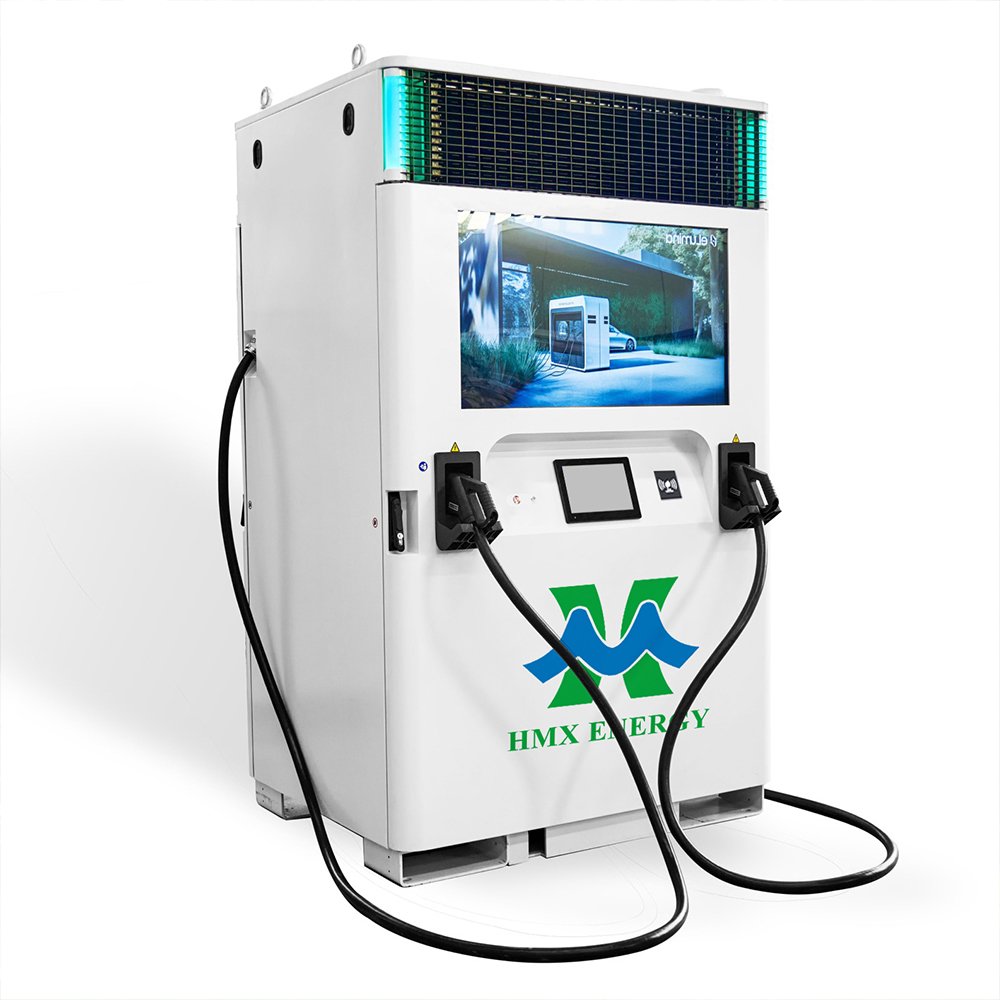
An integrated charging unit combines several subsystems in one commercial package, but the RFQ still needs separate ratings and interfaces. Buyers should distinguish battery energy, charger output, grid input, conversion power and the number of connectors.
A single “100/200kWh” description is not enough to predict charging throughput or grid demand.
For a concrete equipment-level review, apply the checks above to the 100/200kWh storage-integrated charging solution and request confirmation for the intended site conditions and operating mode.
A packaged unit still needs an application check. Use the 100 kW / 215 kWh BESS guide to separate nominal DC energy, usable energy, delivered AC power and auxiliary consumption when reviewing the offer.
Direct answer: Write an operating matrix for grid-only, battery-assisted charging, battery recharge, solar input if used, emergency stop and communication loss.
Research review date: 30 September 2026. Quantitative statements are tied to the linked source and should be rechecked if procurement occurs later.
The technical comparison should also be checked against IEC 61851-24 DC charging communication. IEC 61851-24:2023 covers digital communication between DC charging equipment and electric vehicles for controlled DC power transfer.
Separate battery, charger, PCS, grid-input and connector ratings
For Fleet depots, charging hubs and equipment distributors, the first task is to turn the intended service into measurable inputs and acceptance limits. The following table keeps the decision tied to evidence instead of a broad product label.
| Specification block | Required field | Reason |
|---|---|---|
| Battery | Nominal and usable kWh, chemistry, operating limits | Defines energy buffer |
| Charging output | Connector, voltage range, max current and power curve | Defines vehicle service |
| Grid input | Voltage, phases, maximum import and power quality | Defines site connection |
| Power conversion | Charge/discharge and conversion ratings | Defines simultaneous operation |
| Software | User access, OCPP or other interface where required, logs | Defines network integration |
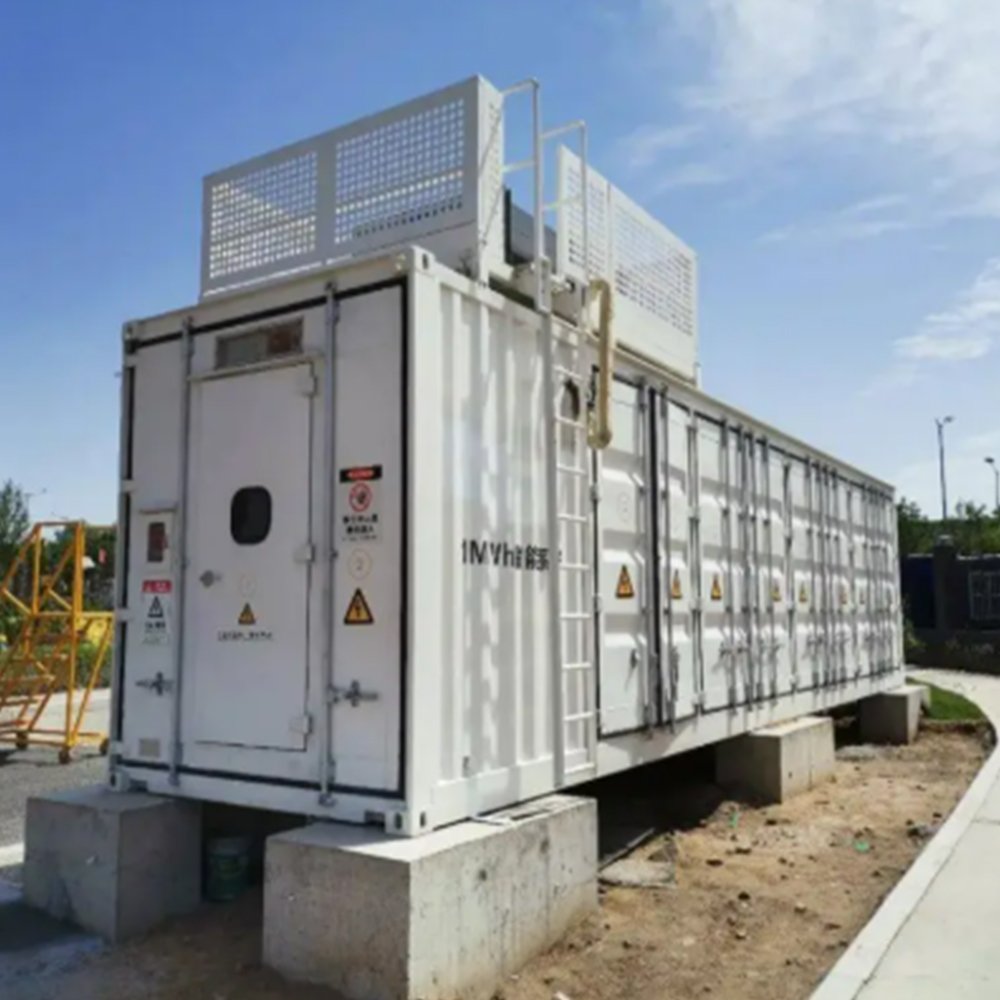
The same evidence and acceptance questions can be used when assessing HMX’s energy-storage charging solutions; catalogue information should be reconciled with the controlled quotation and drawings.
For specification and acceptance work, IEA Global EV Outlook 2026 charging analysis provides an independent reference. IEA estimates more than 7 million public charging points at the end of 2025, after growth of more than 33% in one year; fast and ultra-fast points reached 2.2 million.
The ambiguity inside a 100/200kWh label
These are the practical objections and failure modes most likely to stop approval, delay commissioning or create an avoidable service call for Fleet depots, charging hubs and equipment distributors.
- Battery energy, charger output and grid input are treated as one rating.
- Vehicle voltage range and connector compatibility are not confirmed.
- Network loss, metering and payment boundaries are missing from acceptance tests.
Questions the buyer should ask before approval
- What power can be maintained across the battery state-of-charge range?
- Which vehicles or test loads prove the charging curve?
- What continues locally if the back-end connection fails?
Specify every operating mode and meter boundary
The commercial offer should state its assumptions, exclusions and measurement boundary. Buyers can then compare systems on the same basis and keep later design changes under document control.
| Acceptance test | Test condition | Recorded result |
|---|---|---|
| Full-power charge | Compatible test load or vehicle | Output voltage, current and thermal state |
| Grid cap | Charger demand above import limit | Grid power remains within setpoint |
| Battery recharge | Defined starting state of charge | Power, time and losses |
| Emergency stop | Charging and battery active | Safe isolation and alarm |
| Network loss | Back-end disconnected | Local safe operation and data recovery |
Action points for the project team
- Confirm connector and vehicle compatibility for the destination market.
- Define whether charger power can be maintained across the battery state-of-charge range.
- Include metering accuracy and payment-system boundary where billing is required.
- Require remote-update controls, event logs and service access rules.
Before design freeze, the project team should review IEC 62619:2022 scope. IEC 62619:2022 covers safety requirements and tests for secondary lithium cells and batteries used in industrial applications, including stationary and motive uses.
Separate five ratings inside the integrated enclosure
Specify battery nominal and usable energy, grid input, bidirectional conversion power, charger output and auxiliary load independently. State whether charging power can be maintained while the battery approaches its operating limits and whether simultaneous battery recharge and vehicle charging is supported. A single kWh label cannot answer these operating questions.
A related HMX reference is the 100kW/215kWh air-cooled system. Use it to frame the next supplier discussion, then record project-specific deviations before ordering.
Define vehicle interfaces by connector, voltage range, maximum current, communication standard and any authentication or payment requirement. For software, specify local operation during network loss, event retention, remote access permissions, update control and the boundary between charger management and energy management.
For the final evidence review, use U.S. DOE BESS procurement checklist as a source check. The U.S. Department of Energy checklist separates early project development, technical specifications and interconnection work for commercial lithium-ion systems.
The FAT and SAT should include full-power charging with a compatible vehicle or test load, grid-cap enforcement, battery recharge, emergency stop, protection trips and network loss. Record energy at agreed meters so conversion performance can be assessed. Confirm access for service and safe isolation of both the charger and storage sections.
Project workflow
- List battery, grid, conversion, charging and auxiliary ratings separately.
- Confirm destination-market vehicle and back-end compatibility.
- Approve the operating matrix and control priorities.
- Witness performance, protection and network-loss acceptance tests.
Connect operating data to service performance
Retain charger sessions, grid import, non-charging load, battery power, state of charge and alarms on a common time base. These records show whether a missed charging target came from vehicle behaviour, site controls, grid capacity or battery availability and allow the operator to update the growth case with real use.
Buyers defining the initial scope can compare these requirements with HMX’s HMX project references. The page is a product or project reference; final suitability still requires a written project specification.
- Session and dwell data with vehicle or test-load acceptance limits.
- Meter definitions for grid, charger, storage and site auxiliaries.
- Dispatch priorities, network-loss behaviour and software revision history.
- FAT and SAT traces for grid cap, charging power, recharge and emergency stop.
Agree retention time, access rights and export format before operation begins. Useful data must remain available to the owner without weakening account security or relying on an undocumented cloud-only interface.
What to Put in the RFQ Now
Send suppliers the same load file, site sheet and compliance matrix. Ask for a numbered deviation schedule so that price differences can be traced to real scope differences.