
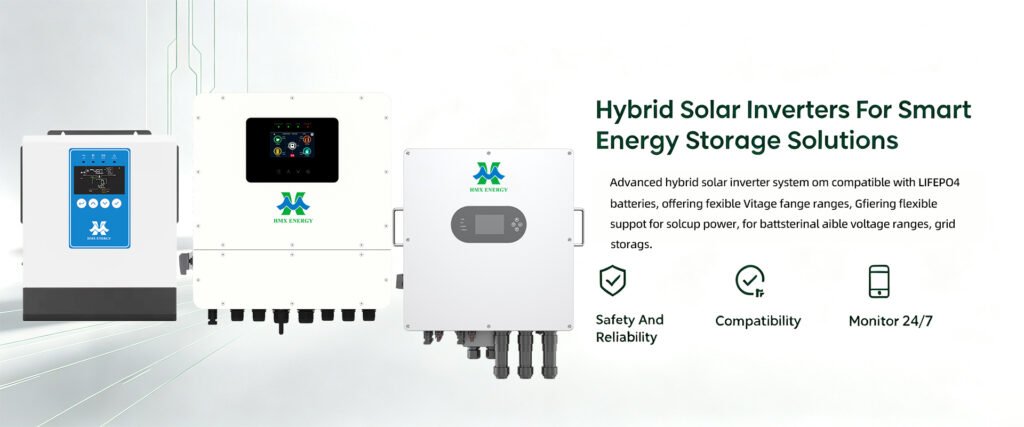
Some hybrid inverters can run without a battery while connected to the grid. Some also offer a specifically designed daytime emergency output without storage. Neither capability means that any hybrid inverter can provide whole-house backup, run at night during an outage or operate as a permanent off-grid supply without a battery.
The purchasing question needs a mode-by-mode answer. State whether the grid is present, which output supplies the load, what PV power is available and which features are enabled. A yes-or-no answer without those conditions is too vague for an EPC quotation or a distributor’s product recommendation.
What does run without a battery actually mean?
In grid-connected PV operation, a supported inverter may convert solar power while the grid supplies the balance required by the loads. That differs from forming a standalone supply after grid loss. The grid-connected installation must still meet its protection, metering and interconnection requirements.
Before choosing from the HMX solar inverter category, ask for confirmation of batteryless operation for the exact model, firmware and destination-market configuration. The presence of a battery terminal is not evidence that the device starts or supports every operating mode with that terminal unused.
| Requested service | Necessary distinction | Evidence to request |
|---|---|---|
| Daytime PV with grid present | Grid-connected conversion, not outage backup | Manual confirmation of operation without a battery |
| Daytime emergency output | Dedicated supported function, not automatic whole-house supply | Output limits, wiring and regional availability |
| Whole-house outage backup | Approved backup architecture and supply capability | Required battery, switching and control components |
| Night operation during an outage | Energy must come from an available non-PV source | Storage or other approved source and operating arrangement |
| Permanent off-grid operation | Different duty from occasional grid-outage service | Explicit off-grid suitability and operating conditions |
A documented exception: daytime emergency power
Fronius’ GEN24 support documentation describes PV Point as a basic backup function that can supply a single-phase socket with up to 3 kW during an outage when sufficient sunlight is available. This is an example from that manufacturer’s product family, not an HMX output rating or a universal hybrid-inverter capability.
It is important to distinguish basic PV Point, other backup variants and their regional arrangements. The Symo GEN24 operating manual describes basic PV Point as a separate output that is not energized during normal grid-connected operation. Its Full Backup prerequisites instead include a suitable installed and configured battery. Confirm the applicable model and country-specific instructions before specifying either arrangement.
An emergency outlet that operates under adequate sunlight is not a promise of continuous refrigeration or seamless transfer. The installer must assess the actual appliances and the approved output arrangement. Do not improvise a connection between an emergency output and the household distribution board.
This manufacturer video illustrates a specific backup function. It is educational reference material, not an installation procedure for an HMX inverter. Use the current manual and local requirements for the equipment actually supplied.
Why the grid-present test is not enough
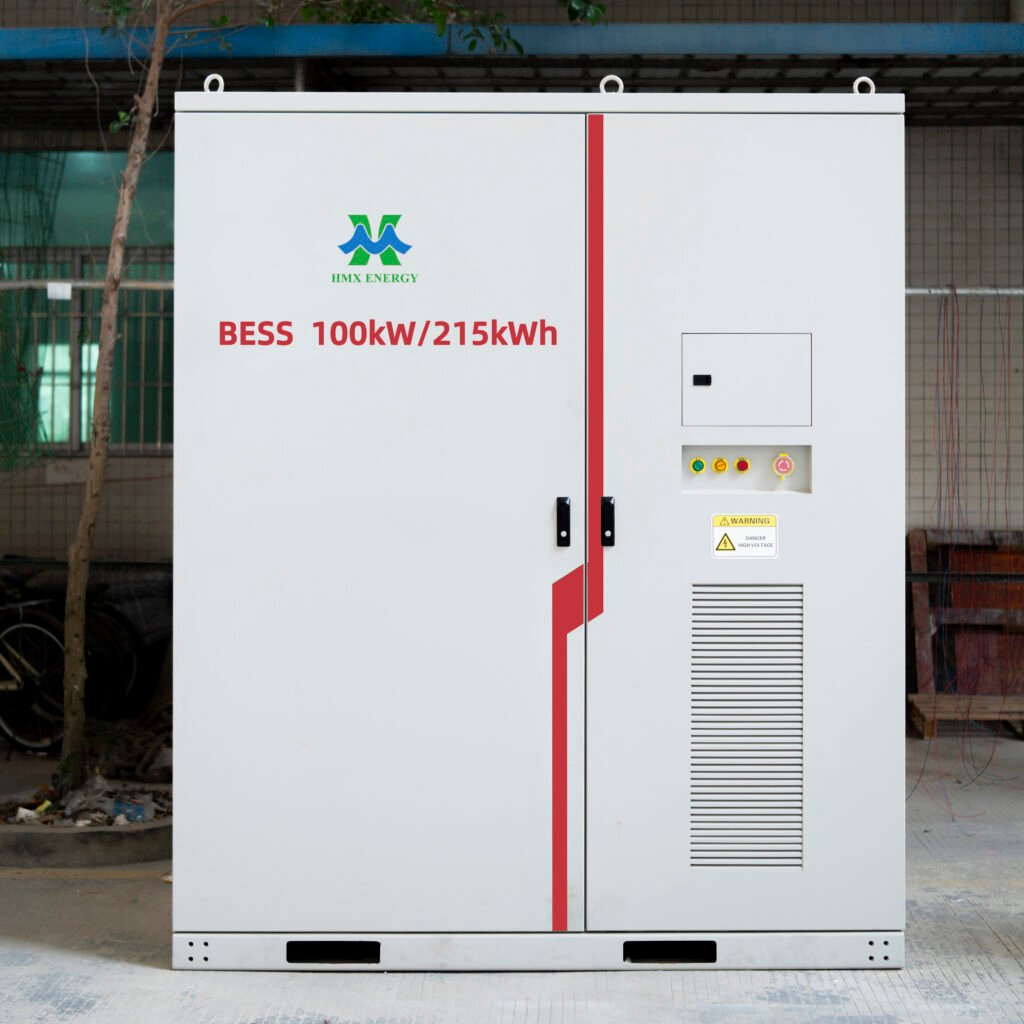
When the grid is available, it can provide energy that the PV array is not producing, within the site’s approved arrangement. During an outage, a batteryless PV-only output has no stored energy to cover the absence of sunlight. Clouds and sudden load changes therefore matter to the promised service, not merely to annual yield.
A load’s nameplate power also does not establish its starting behaviour. A pump or compressor may fail to start on an emergency output even when its normal running power appears acceptable. Obtain the manufacturer’s load and overload conditions and verify the agreed appliances through an approved test.
For customers who need service after sunset, start with the energy requirement rather than a batteryless sales claim. The off-grid solar battery sizing guide explains the sizing questions, but the selected inverter must separately support the intended operating architecture. More panel capacity cannot provide solar energy at night.
Do not generalize across inverter architectures
Victron’s ESS introduction describes a different architecture involving an inverter/charger, control equipment and a battery system. It also separates that grid-connected ESS use from off-grid applications. The example reinforces why a feature supported by one product family cannot be assumed for another.
Keep three statements separate in the supplier response: the device can work without storage in a stated mode; it supports the required backup function; it is approved for the proposed installation. Each needs its own evidence. A firmware option or marketing label is not sufficient proof of all three.
| Question | Acceptable response | Unresolved risk if omitted |
|---|---|---|
| Which batteryless modes are supported? | Exact model, firmware and mode description | Grid-connected operation mistaken for backup |
| Which terminals supply the loads? | Approved output arrangement and circuit diagram | Wrong expectations about connected circuits |
| What happens when PV becomes insufficient? | Documented shutdown, recovery or source-transfer behaviour | Interrupted service treated as a fault or surprise |
| What is needed to add storage later? | Approved batteries, hardware, software and commissioning scope | A supposedly simple expansion becomes a redesign |
| Is the feature available in this market? | Current country-specific documentation | A global product description used for an unsupported arrangement |
Buying now and adding a battery later
A staged installation can make sense, but cost the complete second stage. Check reserved mounting space, cable routes, approved battery models, required switching equipment and any software activation. Obtain these details before selling a system as ready for a future battery.
If the customer already needs outage resilience, compare the staged proposal with a specified solar and battery ESS arrangement. Compare the services delivered, not just the initial hardware price. This article makes no claim that an HMX system is compatible with the third-party examples discussed.
Frequently asked questions
Does a hybrid inverter always need a battery?
No universal answer applies. Some models support batteryless grid-connected operation; other modes or architectures require storage. Ask for the exact supported configuration.
Will solar panels keep the house powered during an outage?
Not automatically. An approved backup function and installation arrangement are required. A dedicated PV-only emergency output may have a much narrower service boundary than whole-house backup.
Can a batteryless inverter supply power at night without the grid?
Not from PV alone. The loads need another available energy source and equipment explicitly designed to use it. Do not interpret hybrid as a guarantee of that capability.