
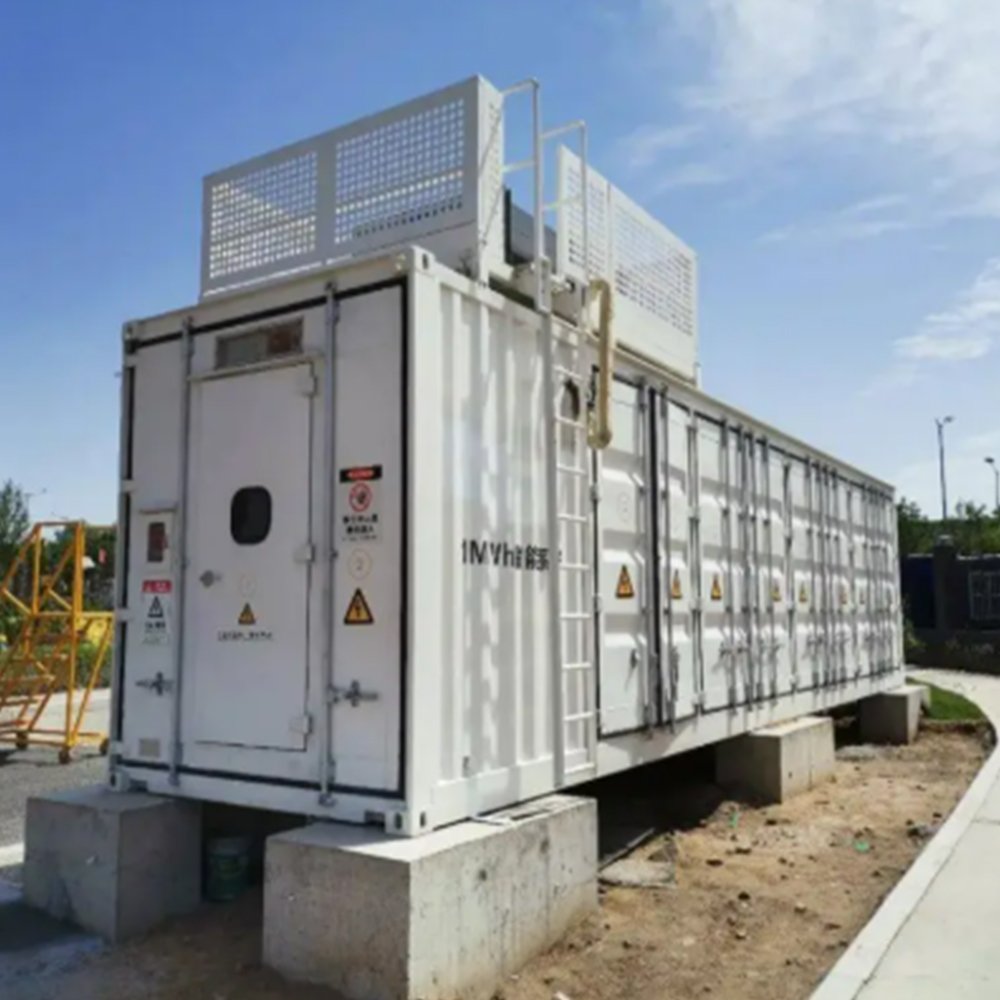
Fast charging can create short, high site peaks. Where a tariff bills monthly demand, a battery may cap grid import during those events. The value depends on the exact billing rule and the operator’s ability to recharge without creating a second peak.
A global battery-cost benchmark cannot replace a local cash-flow model. Charger use, tariff structure, grid upgrade cost and service obligations must be entered separately.
Pas voor een concrete beoordeling op apparatuurniveau de bovenstaande controles toe op het 100/200kWh opslaggeïntegreerde laadoplossing en vraag bevestiging voor de beoogde locatieomstandigheden en bedrijfsmodus.
The general calculation sequence is set out in the gids voor het dimensioneren van batterijen voor piekvermindering. For charging sites, replace the factory load series with session-level charger demand and retain the same tariff-interval discipline.
Direct antwoord: Reproduce the utility bill from interval data before modelling storage. If the base model cannot match billed demand, the savings forecast is not ready for investment approval.
Datum onderzoeksreview: 4 oktober 2026. Kwantitatieve uitspraken zijn gekoppeld aan de gelinkte bron en moeten opnieuw worden gecontroleerd als de aankoop later plaatsvindt.
De Alternative Fuels Data Center guidance on charging-station operating costs notes that DC fast charging is more likely than lower-power charging to trigger demand charges and describes demand as commonly based on the highest 15-minute average in the billing period. The project model should therefore reproduce the local tariff interval instead of smoothing sessions into hourly data.
Vóór design freeze moet het projectteam DOE-richtlijnen voor nutstarieven. Energierekeningen kunnen energie-, vraag- en tijdgebonden componenten combineren, dus besparingsmodellen moeten het werkelijke tarief gebruiken in plaats van een generieke piek/dal-spreiding.
Reproduce the tariff demand interval
For Commercial charging operators and site owners, the first task is to turn the intended service into measurable inputs and acceptance limits. The following table keeps the decision tied to evidence instead of a broad product label.
| Model layer | Required data | Output |
|---|---|---|
| Charging demand | Sessions, dwell time and power curve | Uncontrolled site load |
| Non-charging load | Building and auxiliary interval load | Total site demand |
| Tarief | Demand interval, ratchet and time periods | Baseline bill |
| Battery dispatch | Power, energy, reserve and recharge rule | Controlled grid load |
| Degradation and service | Cycles, throughput and maintenance | Lifecycle cost |
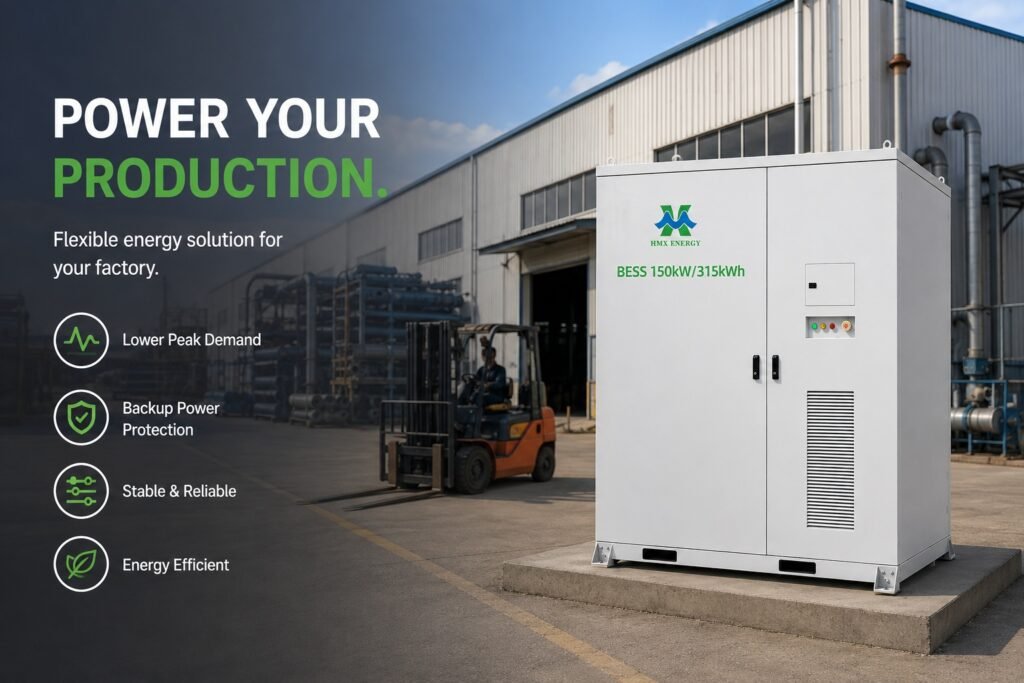
Dezelfde bewijs- en acceptatievragen kunnen worden gebruikt bij het beoordelen van HMX's energieopslag-laadoplossingen; catalogusinformatie moet worden afgestemd op de gecontroleerde offerte en tekeningen.
Gebruik voor de definitieve beoordeling van het bewijsmateriaal IEA Global EV Outlook 2026 laadanalyse as a source check. IEA estimates more than 7 million public charging points at the end of 2025, after growth of more than 33% in one year; fast and ultra-fast points reached 2.2 million.
Replay charger sessions against the grid cap
De commerciële offerte moet haar aannames, uitsluitingen en meetgrens vermelden. Kopers kunnen systemen dan op dezelfde basis vergelijken en latere ontwerpwijzigingen onder documentbeheer houden.
| Scenario | Vraag | Sensitivity |
|---|---|---|
| Low utilisation | Are peaks rare but expensive? | Demand savings versus fixed cost |
| Growth case | How fast do sessions increase? | Expansion and grid limit |
| Back-to-back sessions | Can storage recover between peaks? | Recharge power |
| High tariff spread | Can recharge move off-peak? | Energy cost |
| Backup reserve | Must energy remain unused for outages? | Available shaving capacity |
Actiepunten voor het projectteam
- Run at least a base, growth and stress scenario.
- Include months with special events or seasonal fleet peaks.
- Do not count the same battery capacity fully for charging support, demand shaving and backup at the same time.
- Use contractual availability and response requirements in the financial model.
Raadpleeg voor de huidige markt- en beleidscontext IEA Electricity 2026 flexibiliteitsanalyse. beoordelen. De IEA identificeert batterijen als een veelzijdige bron van kortetermijnflexibiliteit in het energiesysteem, maar de vereiste duur hangt af van de te leveren dienst.
Where demand-charge models overstate savings
These are the practical objections and failure modes most likely to stop approval, delay commissioning or create an avoidable service call for Commercial charging operators and site owners.
- The baseline model cannot reproduce the billed demand.
- A recharge event creates another peak in the same billing period.
- Session growth is included in revenue but not in grid or battery stress.
Vragen die de koper vóór goedkeuring moet stellen
- Which exact interval, ratchet and seasonal rules apply?
- How does a back-to-back fast-charging day change the result?
- What capacity remains unavailable because of backup reserve?
Make the financial model reproduce operations and billing
Validate the tariff engine against actual invoices, including interval length, time periods, ratchets, minimums and seasonal rules. Combine charger sessions with the rest of the site load. The baseline should reproduce both monthly kWh and billed kW within an explained tolerance before storage dispatch is introduced.
Een gerelateerde HMX-referentie is het commercieel en industrieel energieopslagassortiment. Gebruik dit als kader voor het volgende leveranciersgesprek en leg projectspecifieke afwijkingen vast voordat u bestelt.
Simulate the battery with power, usable energy, reserve, efficiency, auxiliaries and recharge constraints. Review the state of charge after every high-demand event. Back-to-back sessions can exhaust the buffer, while aggressive recharge can set a new peak. The model should count target breaches rather than assuming every event is shaved successfully.
De technische vergelijking moet ook worden getoetst aan IRENA Renewable Power Generation Costs in 2024. IRENA rapporteert een wereldwijd gemiddelde geïnstalleerde kostprijs in 2024 van USD 192/kWh voor batterijopslag op nutsbedrijfsniveau, 93% onder het niveau van 2010. Kopers mogen die wereldwijde benchmark niet behandelen als een projectofferte.
Present cash flow as scenarios, not one guaranteed saving. Include utilisation growth, tariff change, degradation, service, downtime and alternative grid work. If backup reserve is required, remove it from the economic dispatch window. The decision should compare the value of faster site deployment and managed grid demand with the full lifecycle obligation.
Projectworkflow
- Reproduce historic bills from interval load and tariff rules.
- Simulate sessions, recharge and reserve across complete months.
- Run utilisation, tariff, degradation and availability sensitivities.
- Tie investment approval to auditable assumptions and operating KPIs.
Houd de berekening reproduceerbaar
Bewaar het ruwe meter- of belastingbestand, het opschoningslogboek, de tarief- of bedrijfsregels, de modelversie en elke aanname die locatiedata omzet in vermogen en energie. De eigenaar moet het basisscenario opnieuw kunnen uitvoeren wanneer productie, tarieven, belastingen of reservebeleid veranderen, in plaats van het oorspronkelijke resultaat als permanent te behandelen.
Kopers die de initiële scope definiëren, kunnen deze vereisten vergelijken met HMX's fabrieksopslagproject in Maleisië. De pagina is een product- of projectreferentie; definitieve geschiktheid vereist nog steeds een schriftelijke projectspecificatie.
- Ruwe en opgeschoonde tijdreeksgegevens met gedocumenteerde tijdzone en interval.
- Basis-, groei- en stressscenario's met invoer voor verliezen, reserve en degradatie.
- Geselecteerde regelsetpoints en de reden waarom afgewezen alternatieven niet zijn gekozen.
- Een inbedrijfstellingsregistratie die het model verbindt met het gemeten gedrag op locatie.
Geef bij de overdracht de eigenaar de modelinvoer en een update-trigger. Een materiële wijziging in tarief, belasting, productie, weer of reserve moet leiden tot een gecontroleerde heruitvoering in plaats van een niet-onderbouwde belofte dat de oorspronkelijke besparing of looptijd nog steeds van toepassing is.
Commercial Test
Approve the investment only when the operating model reproduces the current bill or service constraint and still works under a reasonable stress case.