
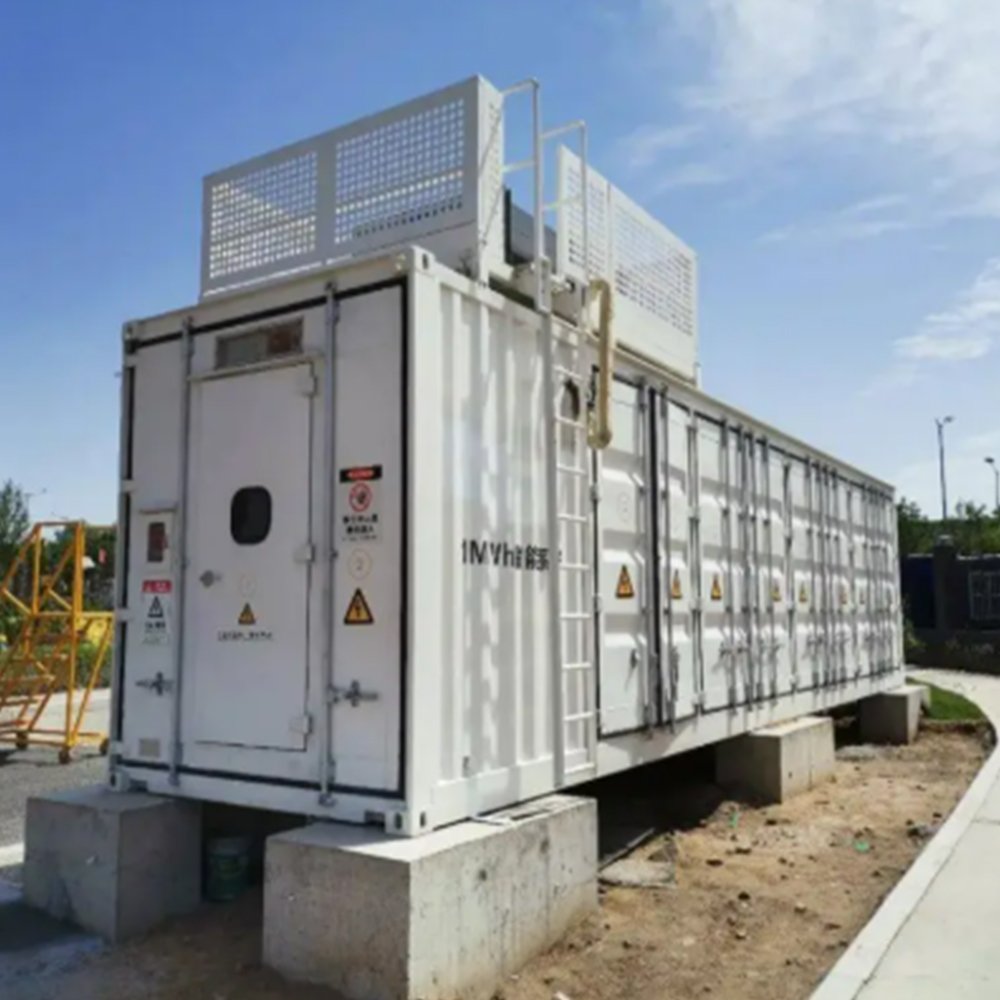
Fast charging can create short, high site peaks. Where a tariff bills monthly demand, a battery may cap grid import during those events. The value depends on the exact billing rule and the operator’s ability to recharge without creating a second peak.
A global battery-cost benchmark cannot replace a local cash-flow model. Charger use, tariff structure, grid upgrade cost and service obligations must be entered separately.
Aby przeprowadzić konkretny przegląd na poziomie urządzeń, zastosuj powyższe kontrole do Rozwiązanie ładowania zintegrowane z magazynowaniem 100/200kWh i poproś o potwierdzenie zamierzonych warunków miejsca instalacji i trybu pracy.
The general calculation sequence is set out in the przewodniku doboru akumulatora do redukcji szczytów. For charging sites, replace the factory load series with session-level charger demand and retain the same tariff-interval discipline.
Bezpośrednia odpowiedź: Reproduce the utility bill from interval data before modelling storage. If the base model cannot match billed demand, the savings forecast is not ready for investment approval.
Data przeglądu badań: 4 października 2026. Twierdzenia ilościowe są powiązane z linkowanym źródłem i należy je ponownie sprawdzić, jeśli zakup nastąpi później.
Jest to Alternative Fuels Data Center guidance on charging-station operating costs notes that DC fast charging is more likely than lower-power charging to trigger demand charges and describes demand as commonly based on the highest 15-minute average in the billing period. The project model should therefore reproduce the local tariff interval instead of smoothing sessions into hourly data.
Przed zatwierdzeniem projektu zespół projektowy powinien dokonać przeglądu wytyczne DOE dotyczące taryf za media. Rachunki za media mogą łączyć składniki energii, zapotrzebowania i taryf czasowych, więc modele oszczędności muszą wykorzystywać rzeczywistą taryfę, a nie ogólny podział na szczyt/poza szczytem.
Reproduce the tariff demand interval
For Commercial charging operators and site owners, the first task is to turn the intended service into measurable inputs and acceptance limits. The following table keeps the decision tied to evidence instead of a broad product label.
| Model layer | Required data | Output |
|---|---|---|
| Charging demand | Sessions, dwell time and power curve | Uncontrolled site load |
| Non-charging load | Building and auxiliary interval load | Total site demand |
| Taryfa | Demand interval, ratchet and time periods | Baseline bill |
| Battery dispatch | Power, energy, reserve and recharge rule | Controlled grid load |
| Degradation and service | Cycles, throughput and maintenance | Lifecycle cost |
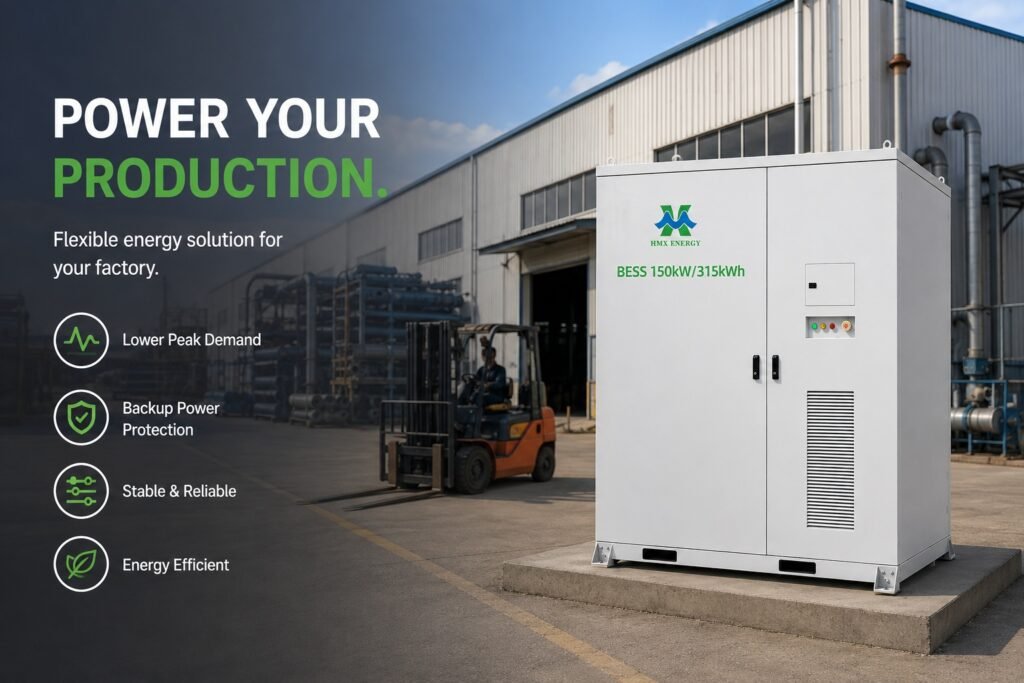
Te same pytania dotyczące dowodów i odbioru można wykorzystać przy ocenie HMX rozwiązania ładowania z magazynowaniem energii; informacje katalogowe należy uzgodnić z kontrolowaną ofertą i rysunkami.
Do końcowego przeglądu dowodów użyj Analiza ładowania IEA Global EV Outlook 2026 as a source check. IEA estimates more than 7 million public charging points at the end of 2025, after growth of more than 33% in one year; fast and ultra-fast points reached 2.2 million.
Replay charger sessions against the grid cap
Oferta handlowa powinna określać swoje założenia, wyłączenia i granicę pomiaru. Nabywcy mogą wówczas porównywać systemy na tej samej podstawie i utrzymywać późniejsze zmiany projektowe pod kontrolą dokumentacji.
| Scenario | Pytanie | Sensitivity |
|---|---|---|
| Low utilisation | Are peaks rare but expensive? | Demand savings versus fixed cost |
| Growth case | How fast do sessions increase? | Expansion and grid limit |
| Back-to-back sessions | Can storage recover between peaks? | Recharge power |
| High tariff spread | Can recharge move off-peak? | Energy cost |
| Backup reserve | Must energy remain unused for outages? | Available shaving capacity |
Punkty działania dla zespołu projektowego
- Run at least a base, growth and stress scenario.
- Include months with special events or seasonal fleet peaks.
- Do not count the same battery capacity fully for charging support, demand shaving and backup at the same time.
- Use contractual availability and response requirements in the financial model.
Aby zapoznać się z aktualnym kontekstem rynkowym i politycznym, przejrzyj Analiza elastyczności IEA Electricity 2026. IEA wskazuje baterie jako wszechstronne źródło krótkoterminowej elastyczności systemu elektroenergetycznego, ale wymagany czas trwania zależy od dostarczanej usługi.
Where demand-charge models overstate savings
These are the practical objections and failure modes most likely to stop approval, delay commissioning or create an avoidable service call for Commercial charging operators and site owners.
- The baseline model cannot reproduce the billed demand.
- A recharge event creates another peak in the same billing period.
- Session growth is included in revenue but not in grid or battery stress.
Pytania, które nabywca powinien zadać przed zatwierdzeniem
- Which exact interval, ratchet and seasonal rules apply?
- How does a back-to-back fast-charging day change the result?
- What capacity remains unavailable because of backup reserve?
Make the financial model reproduce operations and billing
Validate the tariff engine against actual invoices, including interval length, time periods, ratchets, minimums and seasonal rules. Combine charger sessions with the rest of the site load. The baseline should reproduce both monthly kWh and billed kW within an explained tolerance before storage dispatch is introduced.
Powiązanym odniesieniem HMX jest zakres magazynowania energii dla sektora komercyjnego i przemysłowego. Należy wykorzystać go do przygotowania kolejnej rozmowy z dostawcą, a następnie zapisać odstępstwa specyficzne dla projektu przed złożeniem zamówienia.
Simulate the battery with power, usable energy, reserve, efficiency, auxiliaries and recharge constraints. Review the state of charge after every high-demand event. Back-to-back sessions can exhaust the buffer, while aggressive recharge can set a new peak. The model should count target breaches rather than assuming every event is shaved successfully.
Porównanie techniczne należy również zweryfikować z IRENA Renewable Power Generation Costs in 2024. IRENA podaje globalny średni koszt instalacji w 2024 r. na poziomie 192 USD/kWh dla magazynowania bateryjnego w skali użytkowej, o 93% mniej niż w 2010 r. Nabywcy nie powinni traktować tego globalnego benchmarku jako wyceny projektu.
Present cash flow as scenarios, not one guaranteed saving. Include utilisation growth, tariff change, degradation, service, downtime and alternative grid work. If backup reserve is required, remove it from the economic dispatch window. The decision should compare the value of faster site deployment and managed grid demand with the full lifecycle obligation.
Przepływ pracy projektu
- Reproduce historic bills from interval load and tariff rules.
- Simulate sessions, recharge and reserve across complete months.
- Run utilisation, tariff, degradation and availability sensitivities.
- Tie investment approval to auditable assumptions and operating KPIs.
Utrzymać obliczenia w formie odtwarzalnej
Zapisać surowy plik licznika lub obciążenia, dziennik czyszczenia, taryfy lub reguły operacyjne, wersję modelu i każde założenie przekształcające dane terenowe w moc i energię. Właściciel powinien móc ponownie uruchomić przypadek bazowy, gdy zmienią się produkcja, taryfy, obciążenia lub polityka rezerwy, zamiast traktować pierwotny wynik jako stały.
Nabywcy określający wstępny zakres mogą porównać te wymagania z systemem HMX Projekt magazynowania energii w fabryce w Malezji. Strona ta stanowi odniesienie produktowe lub projektowe; ostateczna przydatność nadal wymaga pisemnej specyfikacji projektu.
- Surowy i oczyszczony szereg czasowy z udokumentowaną strefą czasową i interwałem.
- Scenariusze bazowy, wzrostu i obciążenia z danymi wejściowymi dotyczącymi strat, rezerwy i degradacji.
- Wybrane wartości zadane sterowania oraz powód, dla którego odrzucone alternatywy nie zostały wybrane.
- Ślad rozruchu, który łączy model z zmierzonym zachowaniem obiektu.
Przy przekazaniu należy przekazać właścicielowi dane wejściowe modelu oraz wyzwalacz aktualizacji. Istotna zmiana taryfy, obciążenia, produkcji, pogody lub rezerwy powinna prowadzić do kontrolowanego ponownego uruchomienia, a nie do niepopartego obietnicy, że pierwotne oszczędności lub czas pracy nadal obowiązują.
Test komercyjny
Zatwierdź inwestycję tylko wtedy, gdy model operacyjny odtwarza bieżący rachunek lub ograniczenie usługi i nadal działa w rozsądnym scenariuszu obciążeniowym.