
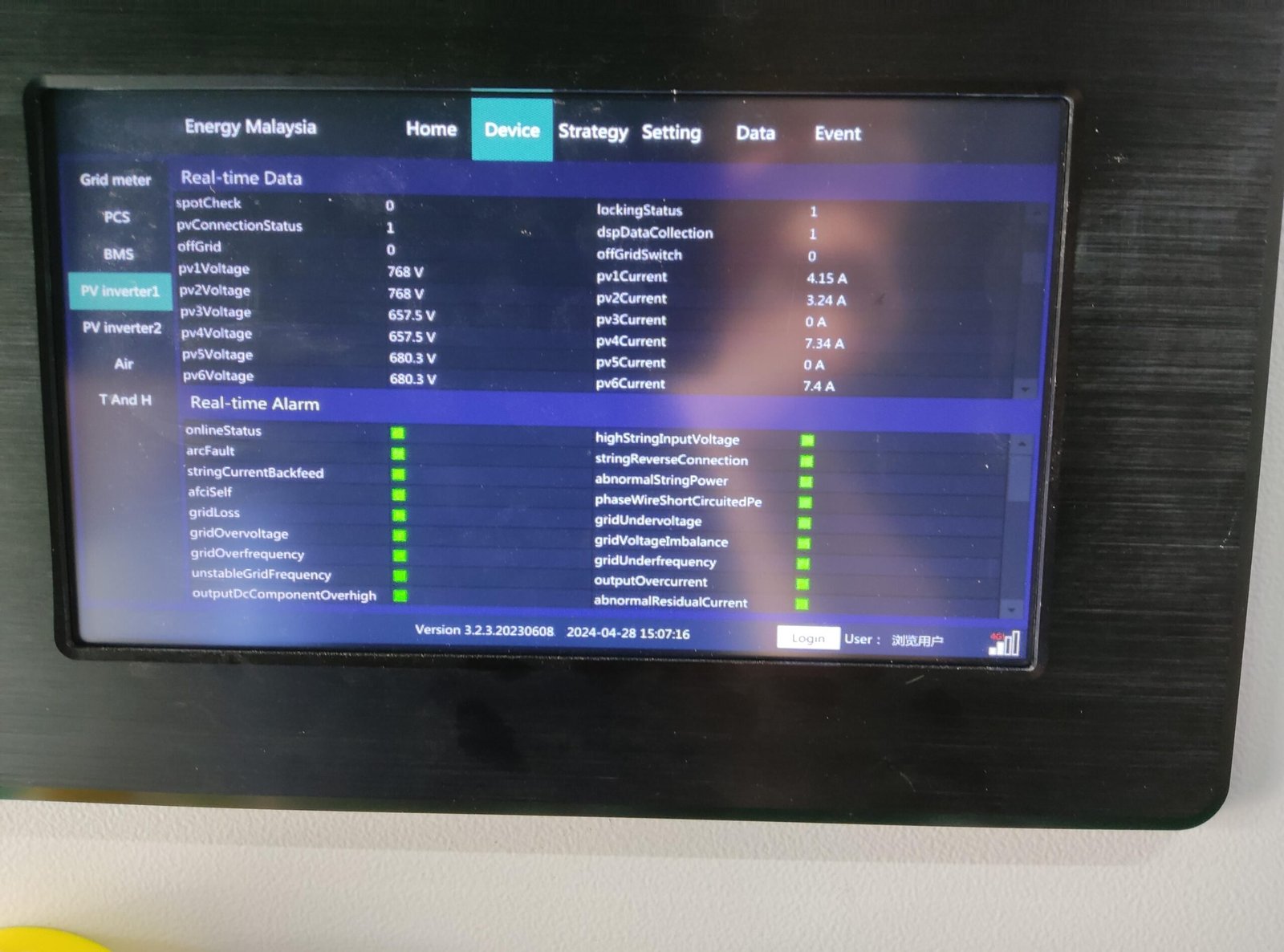
BESS电能质量验收测试应证明已安装系统在连接点的实际表现,而非仅仅重复PCS数据手册。测试计划需要包含约定的测量点、仪器等级、背景条件、运行模式、有功和无功功率设定值、荷电状态窗口、辅助设备配置以及取自适用并网协议或当地法规的合格/不合格限值。
这一点至关重要,因为电网、变压器、电缆、附近非线性负载和控制设置都会影响测量结果。工厂测试可以表征设备特性。只有经过适当控制的现场测试才能展示实际公共耦合点或连接点处的交互作用。
直接回答: 首先确定适用限值,记录背景电网状况,在代表性功率和无功功率状态下测试充电和放电,将系统排放与现有畸变分离,并保留带有已批准设置的原始时间序列和频谱数据。
研究评审日期:2026年11月19日。本文是采购和调试指南,并非声明某一标准适用于所有国家。电力公司、电气设计人员和具有管辖权的机构必须针对具体项目确定适用的规范、并网规则和合同限值。
在选择限值之前确定电气边界
标明合规性评估的位置。该位置可能是PCS端子、低压开关柜、变压器高压侧或电力公司公共耦合点。这些位置产生的结果不可互换。变压器阻抗和联结组别、电缆阻抗、滤波装置和其他现场负载位于它们之间。
边界应与商业义务相匹配。我们的指南 BESS变压器余量 解释了为什么有功和无功电流共享同一设备路径。如果在未检查变压器、电缆和保护限值的情况下指令无功功率进行电能质量测试,可能会测试到电厂无法持续使用的设置。
| 需冻结的项目 | Buyer question | 所需记录 |
|---|---|---|
| 合规点 | 在何处评估电压、电流和功率? | 经批准的单线图和电表位置 |
| 适用限值 | 由哪项电力公司规则、合同或采用的标准控制? | 注明日期的要求和商定的解释 |
| 电厂状态 | 哪些PCS模块、辅助设备和滤波器在运行? | 设备状态和配置导出 |
| 电网条件 | 预先存在的电压畸变和不平衡是多少? | BESS运行前的背景测量 |
| 运行点 | 适用什么有功功率、无功功率、SOC和电压? | 设定值和测量响应曲线 |
| 仪器方法 | 使用什么精度、聚合和观测设置? | 仪器规格、校准和配置 |
| 合格/不合格规则 | 如何处理不稳定的电网条件或无关负载? | 经批准的测试程序和例外处理流程 |
该 IEEE 1547-2018概述 在其配电并网范围内确定了电能质量、异常条件响应、调试和定期测试。国际买家应仅在已采用或合同选择的情况下使用该标准。其更广泛的启示仍然有用:性能要求和验证方法应配套使用。
在归咎或排除BESS之前测量背景
工业现场通常包含变频驱动器、整流器、焊机、UPS设备和投切电容器组。它们的谐波电流和快速负载变化可能已经影响公共耦合点。在BESS隔离或处于明确界定的非变流状态下记录代表性基线。记录基线期间的生产负载、电力公司电压和投切事件。
不要将一个总谐波畸变率 headline 值从另一个中减去,并将差值称为BESS的贡献。幅值、相位、系统阻抗和各次谐波次数都会影响交互作用。测试工程师应保留频谱和同步电压电流记录,然后采用电力公司或合同接受的方法。
IEEE的 电能质量技术概述 区分了波形畸变、电压事件和频率行为,并指出了既有的监测实践。它是该主题的有用导图,不能替代项目特定限值或负责工程师使用的已购买标准。
测试充电、放电和无功功率状态
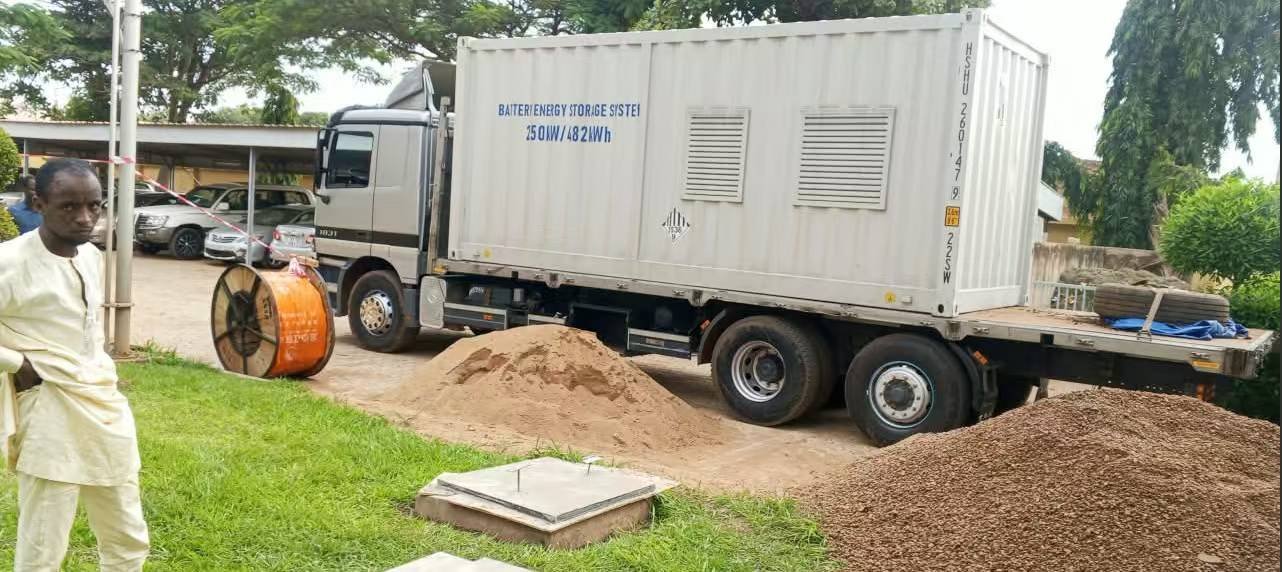
单次满功率放电不是完整的验收序列。变流器开关行为和控制交互可能在低功率、接近过零点、充电期间、放电期间以及发出或吸收无功功率时发生变化。测试与合同用途相关的运行点,但不得将电厂推至批准的设备限值之外。
| 测试状态 | 观察内容 | 常见解释风险 |
|---|---|---|
| BESS隔离 | 背景电压谐波、不平衡和现场事件 | 基准不代表工厂正常生产 |
| 有功待机 | 辅助设备、滤波器、控制器及变压器励磁 | 待机被视为电气上不活跃 |
| 低功率充电 | 电流频谱、功率因数及控制稳定性 | 仅审查额定功率性能 |
| 高功率充电 | 电压响应、电流畸变及设备负载 | 测试步骤之间电网电压发生变化 |
| 低功率放电 | 电流频谱及设定点跟踪 | 测量分辨率不足 |
| 高功率放电 | PCC电压、电流及变压器负载 | 附近负荷投切污染结果 |
| 无功功率指令 | 可用kvar、电压控制、电流及热限制 | 无功能力被假定为与kW无关 |
| 斜坡或阶跃 | 瞬态响应、超调及恢复 | 稳态聚合掩盖了事件 |
| 模块不可用 | 降额电站响应及控制重新分配 | 健康模块行为被假定为不变 |
Sandia 储能性能协议 涵盖响应时间、爬坡率、参考信号跟踪及功率因数以及其他应用指标。它未设定本地谐波限值。它确实说明了为什么有用的验收程序应评估服务响应,而不仅仅是静态铭牌。
将谐波、不平衡及瞬态结果分开
电能质量不是一个单一评分。应分别报告各次电压和电流谐波次数、约定的聚合指标、电压不平衡度、频率、闪变或快速电压变化(适用时)以及瞬态事件。使用所采用规则要求的测量间隔和聚合方式。短暂的干净窗口不应掩盖设定点变化期间的可重复事件。
将每项结果与运行状态关联。低功率下的超标可能在额定输出时消失,而电压控制振荡可能仅在另一调节器活跃时出现。保留EMS模式、PCS限值、变压器分接头、电容器状态及站点负荷。缺少此背景,后续复测无法复现结果。
首先验证计量极性及时间对齐
错误的CT极性、相位映射或符号约定可能使充电看起来像放电,并使无功功率方向出现错误。在电能质量见证测试之前完成 BESS电表和CT调试计划 中的检查。确认便携式分析仪和电站SCADA使用一致的相位标签和时间戳。
将电能质量分析仪、保护继电器、PCS、电站控制器及公用事业计量表的记录同步到足以评估所涉事件的程度。说明经验证的精度,而非声称所有时钟已同步因为显示同一分钟。
将设备能力与现场验收分开
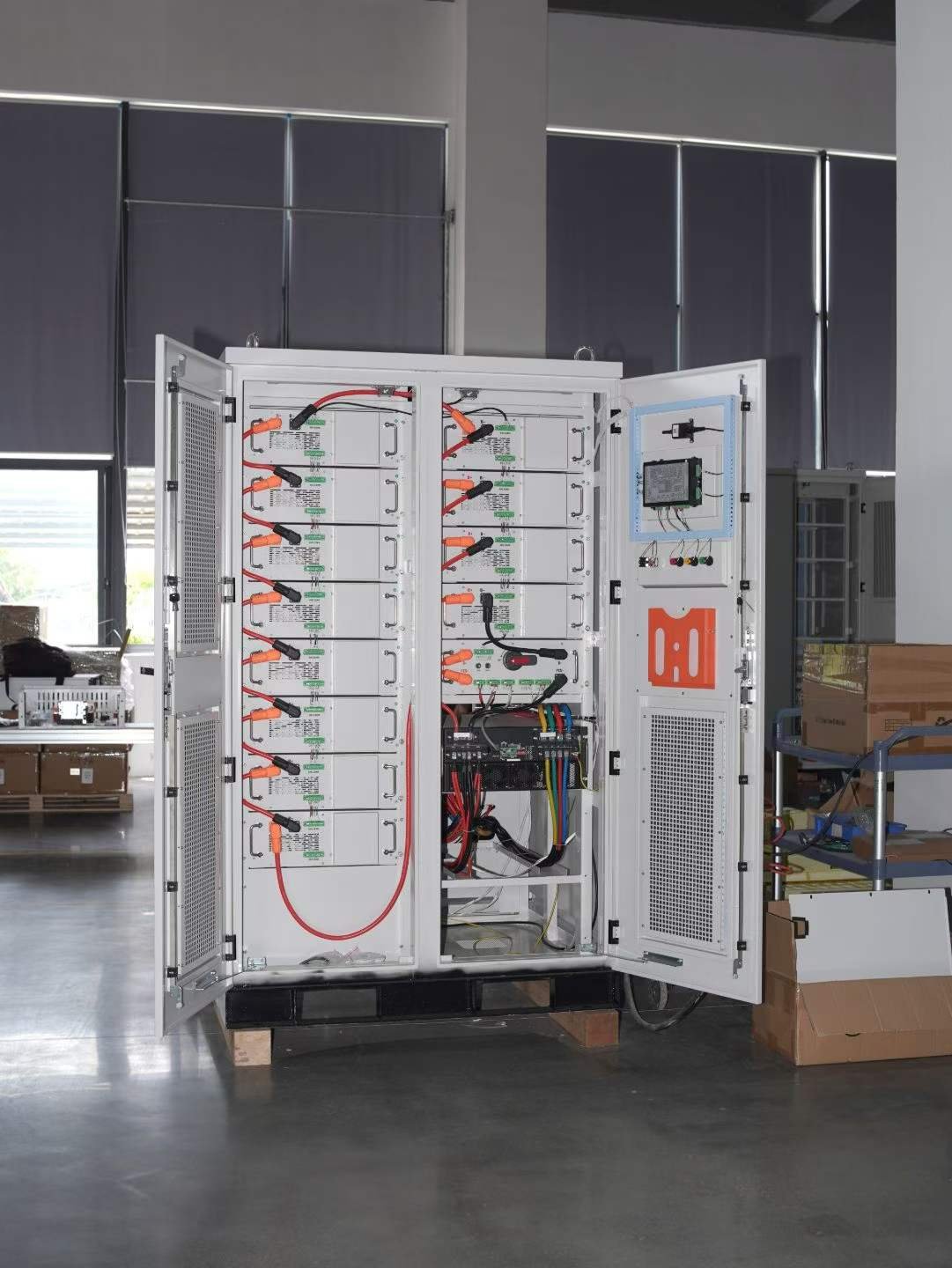
在采购期间索取型式试验和产品证据,但确定安装后必须重复哪些内容。工厂证据可在受控条件下确立变流器能力。现场验收确认接线、变压器、保护、设置、电站控制器及电网交互。任一证据集均不自动替代另一证据集。
美国能源部 分布式能源并网检查清单 按并网阶段组织任务和问题。买方可用该结构分配数据交换、研究输入、见证责任及收尾证据,而非将公用事业测试视为孤立的调试活动。
测试后的控制设置
通过的结果适用于所测试的配置。记录PCS固件、电站控制器版本、无功功率模式、电压控制参数、爬坡限值、滤波器配置、变压器分接头、启用的模块及保护设置。后续变更应通过变更控制流程,并确定何时需要专项或全面复测。
在选择 构网型或跟网型BESS控制. 时尤为重要。控制模式变更可能改变电压和频率响应、电流限制及与其他设备的交互。验收记录必须描述实际测试的模式。
在安排纠正工作前使用原因隔离矩阵
当超出限值时,首先确定结果是否可重复以及是否跟随BESS运行。在确认分析仪设置、CT量程、相位映射及数据质量后,重复相同运行点。在可行情况下,比较BESS隔离、有功待机及变流状态而不改变无关电站负荷。记录公用事业或研究工程师提供的电网电压及短路背景。
按公认方法要求使用各次谐波次数及同步电压/电流相量或频谱。电压畸变上升而BESS电流贡献很小可能指向系统谐振或背景问题,而跟随某一PCS模块的可重复电流分量可能支持不同的调查方向。责任工程师应解释数据;采购团队应确保证据可用。
不得在见证测试期间允许不受控的参数调整。更改电流控制增益、电压下垂、滤波器设置或开关策略可能影响保护、稳定性及设备应力。暂停、发布受控工程措施、获得OEM批准并确定哪些先前测试必须重复。保留失败和修正后的两组数据集。
The NERC reliability-guidelines library includes current resources for inverter-based-resource performance, modeling, commissioning and disturbance analysis. These documents do not set every distribution-site harmonic limit, but they reinforce the need to relate plant response, controls and evidence rather than treating a single measurement as an isolated product defect.
Define Correction, Retest and Conditional Acceptance
The contract should distinguish a measurement anomaly, a background-grid condition, an installation error, a configuration problem and an equipment nonconformance. Each route needs a responsible party and closure evidence. If the utility changes its system or the factory changes major loads between tests, record the difference and decide whether results remain comparable.
A focused retest can be appropriate when the cause and affected states are bounded. A full retest may be required after firmware, filter, transformer, plant-controller or protection changes. State who decides the scope and who bears mobilization and utility-witness costs. Avoid wording that lets the party performing the correction decide unilaterally that no retest is needed.
Conditional acceptance should identify the unavailable function and interim operating envelope. For example, the plant may be restricted from a reactive-power mode until correction while another contracted service remains available. The restriction must be implemented in controls, communicated to operations and linked to a closure date; a note in the commissioning report is not an operating control.
Plan a post-handover review after the plant has operated with representative factory loads and utility conditions. This is not an excuse to defer acceptance. It is a way to compare the controlled commissioning baseline with real duty and detect interactions that a short witness period could not expose. Define the data, trigger and remedy before commercial operation.
Write the RFQ as an Evidence Schedule
Plan the Measurement Campaign around Site Constraints
Confirm the operating states that the site can safely produce before the witness date. The utility may restrict export, the facility may not be able to interrupt production loads, and battery state of charge may limit sustained charge or discharge. Convert those constraints into a sequence that reaches the required points without encouraging operators to bypass protection or thermal limits simply to complete a table.
State who supplies and installs portable instruments, who provides CT and VT access, who validates scaling and phase rotation, and who owns the network and plant data needed to explain each interval. Include safe access, permits, outages, arc-flash controls and utility witnessing in the readiness review. A missing test point or unapproved connection should be discovered before the specialist arrives onsite.
Create contingency steps for unstable grid conditions, plant trips, unavailable load, communications failure and insufficient battery energy. The procedure should say which steps can be repeated, which must restart after a settling period, and what data are retained from an interrupted run. This keeps schedule pressure from turning an invalid interval into an accepted result.
Close the campaign with an instrument and file reconciliation. Confirm that every recorder stopped normally, clocks and channel maps remained valid, all expected files were copied, and original media are protected until the owner accepts the data package. The test team should leave with a documented exception list, not discover missing waveforms after equipment has been returned.
Preserve the Test Context for Future Disputes
A pass/fail report without operating context has a short useful life. The owner should retain the one-line revision, point of measurement, instrument model and calibration status, connection diagram, sampling method, aggregation intervals, active and reactive power, voltage, state of charge, enabled control modes, transformer taps, filter status and major site loads for every accepted interval. Weather and temperature matter when they affect cooling, derating or factory-load behavior, but they should be recorded because they are relevant, not added as generic paperwork.
Raw files should remain in the instrument’s native or another lossless, documented format. A PDF plot is useful for review but cannot replace the underlying waveform, trend and event records. Require a file index that maps each test step to its raw data, calculated result, screenshot, operator note and witness sign-off. The same index should identify discarded intervals and the reason for exclusion. This prevents a later reviewer from unknowingly selecting only the cleanest snapshot.
Before demobilization, give a technically independent reviewer enough time to open a sample of the files and reproduce at least one reported calculation. Confirm that time zones, channel names, CT and VT ratios and unit conversions are unambiguous. This small reconstruction exercise catches export, scaling and timestamp problems while the test equipment and responsible engineers are still available.
Assign ownership of the acceptance dataset and define how it can be shared with the utility, insurer, equipment supplier and future service contractors. Retain the approved report with the as-left settings rather than in an isolated commissioning folder. If the plant later changes firmware, filters, transformer taps or control tuning, the change record should state whether the accepted power-quality baseline remains applicable.
| RFQ交付物 | 最低内容 | 发布关口 |
|---|---|---|
| Applicable-requirement register | Utility rule, code, contract limits and responsible reviewer | 在详细设计前批准 |
| Study model and inputs | Network impedance, transformer, cables, loads and control modes | Utility or engineer acceptance |
| Equipment evidence | Applicable type tests and declared operating envelope | Technical submittal approval |
| Site test procedure | Boundary, instruments, states, sequence and pass/fail method | Approved before energization |
| Background survey | Operating context and simultaneous voltage/current records | Accepted before BESS contribution analysis |
| Witness dataset | Raw records, spectra, settings and event notes | Owner receives usable files |
| Exception report | Cause, affected state, corrective action and retest scope | Closed by named authority |
| As-left configuration | Firmware, parameters, taps, blocks and protection | Handover baseline completed |
Use the fault and witness discipline in the BESS FAT协议 to keep pre-shipment and site evidence connected. When comparing a 商用和工业储能系统, ask each bidder to state which power-quality evidence is product-level, which is modelled and which will be demonstrated at site.
验收决策
Accept the plant only when the agreed boundary, operating states and applicable limits are supported by traceable records and the as-left settings are controlled. If a result is affected by unstable background conditions, document the evidence and repeat the relevant state; do not silently discard the interval.
A useful BESS power-quality test lets the owner reproduce what happened and know which later changes can invalidate the result. That is more valuable than a single harmonic screenshot detached from the plant duty and grid condition.