

Ein Bericht zur Ausbreitung von Thermal Runaway kann Hunderte von Seiten mit Temperaturen, Gasmessungen, Fotografien und Beobachtungen enthalten. Käufer reduzieren ihn oft auf einen Satz – “keine Ausbreitung” –, ohne zu bestätigen, was ausgelöst wurde, welche Ebene getestet wurde, welche Designrevision verwendet wurde oder ob die Installation von der Testanordnung abweicht.
Der Bericht ist kein allgemeines Zertifikat dafür, dass jedes Projekt, das eine ähnliche Batterie verwendet, sicher ist. Er ist ein Nachweis aus einem definierten Testobjekt, einer Auslösemethode, einem Zustand, einem Gehäuse, einem Abstand, einer Belüftung und einer Mitigationskonfiguration. Eine professionelle Prüfung verfolgt diese Bedingungen bis zum angebotenen Equipment und zum Brand-, Explosions-, Trennungs- und Notfallreaktionsdesign des Standorts.
UL Solutions’ aktuelle UL 9540A Übersicht beschreibt Zell-, Modul-, Einheiten- und Installationsebene-Ziele und erläutert aktuelle Ausgaben. Käufer sollten die anwendbare Ausgabe, Testebene und lokale Genehmigungsgrundlage identifizieren, anstatt “UL 9540A getestet” als vollständige Antwort zu behandeln.
Identifizieren Sie den Bericht, die Testebene und die beabsichtigte Entscheidung
Erfassen Sie Labor, Akkreditierungsumfang, Berichtsnummer, Datum, Standardausgabe, Testebene, Auftraggeber, Produktname, Modell, Zell- und Modulidentität, Gehäuserevision und etwaige Berichtseinschränkungen. Bestätigen Sie, ob das Dokument ein vollständiger Bericht, eine Zusammenfassung, ein Schreiben oder ein Marketingauszug ist. Eine Zusammenfassung kann Aufbau und Abweichungen weglassen, die für die technische Prüfung erforderlich sind.
Geben Sie die Projektentscheidung an, die der Bericht stützen soll: Produktzertifizierung, Trennung, Brandschutzsystemdesign, Gas- oder Explosionsanalyse, Einsatzplanung, Genehmigung oder Versicherungsprüfung. Unterschiedliche Fragestellungen erfordern unterschiedliche Testebenen und Daten. Fordern Sie nicht, dass ein Gasergebnis auf Zellebene die Brandausbreitung von Einheit zu Einheit belegt, oder dass ein Einheitentest eine geänderte Gebäudeanordnung belegt.
| Testebene | Nachweisschwerpunkt | Käufer sollten nicht ableiten |
|---|---|---|
| Zelle | Thermal-Runaway-Eigenschaften und Gasdaten | Vollständiges Modul- oder Gehäuseverhalten |
| Modul | Zell-zu-Zell-Ausbreitungstendenz und Freisetzungen | Einheit-zu-Einheit- oder Gebäudebrandverhalten |
| Einheit | Modulausbreitung, Wärme-/Gasverhalten und Gehäuseeffekte | Jeder Standortabstand oder Raumanordnung |
| Installation/Großmaßstab | Brandausbreitung, Expositionen und installierte Mitigation unter definiertem Aufbau | Nicht geprüfte Änderungen an Equipment oder Layout |
| Produktzertifizierung | Bewertung nach der Produktnorm und benannter Konfiguration | Automatische Genehmigung für jede Jurisdiktion |
Ordnen Sie Zelle und Modul dem angebotenen Produkt zu
Vergleichen Sie Hersteller, Modell, Chemie, Format, Kapazität, Masse, Abmessungen und Produktionsrevision der getesteten Zelle. Vergleichen Sie dann Modullayout, Reihen-/Parallelanordnung, Abstand, Kompression, Barrieren, Wärmepfade, Sammelschienen, Absicherung und Gehäuse. “Gleiche Chemie” oder “gleiche Kapazität” begründet keine Äquivalenz.
Verfolgen Sie Substitutionen und Lieferkettenänderungen. Wenn das angebotene Produkt eine andere Zelle, Barriere, Entlüftungsweg oder Modulmaterial verwendet, fordern Sie eine dokumentierte technische Bewertung und alle zusätzlichen Testnachweise an, die von der Behörde, Zertifizierungsstelle, dem Brandschutzingenieur oder Versicherer verlangt werden. Bewahren Sie die Entscheidung in der Projektakte auf.
Die breiteren Unterscheidungen in der UL 9540, UL 9540A und NFPA 855 Leitfaden helfen Beschaffungsteams, eine Produktbewertung, eine Ausbreitungstestmethode und eine Installationsnorm zu trennen. Verwenden Sie die Ausgabe und Übernahme, die für den Standort gilt.
Überprüfen Sie die Auslösemethode und den Zustand
Identifizieren Sie, wie Thermal Runaway ausgelöst wurde, welche Zelle ausgewählt wurde, wo sie im Modul oder in der Einheit positioniert war und ob die Methode repräsentative Erwärmung und Entlüftung erzeugte. Erfassen Sie Ladezustand der Batterie, Konditionierung, Temperatur und Ruhephase. Ein Bericht kann einen definierten Worst-Case- oder standardisierten Zustand verwenden, der vom Routinebetrieb abweicht; der Prüfer muss den Zweck verstehen, anstatt ihn als Vorhersage eines Feldvorfalls umzudeuten.
Prüfen Sie, ob der ausgewählte Auslöseort benachbarte Zellen, Barrieren, Gaswege und Mitigation herausforderte. Wenn das Produkt mehrere Modul- oder Rackorientierungen enthält, identifizieren Sie, welche getestet wurden. Vermerken Sie Testwiederholungen und Abweichungen. Ein Ergebnis sollte nicht ohne technische Begründung über seinen dokumentierten Umfang hinaus verallgemeinert werden.
Der DOE Strategieplan für Energiespeichersicherheit beschreibt validierte Sicherheit und die Bedeutung von Systemdesign und -tests. Wenden Sie diese Lebenszyklusperspektive an: Testnachweise informieren Prävention, Mitigation, Installation, Reaktion und spätere Änderungskontrolle.
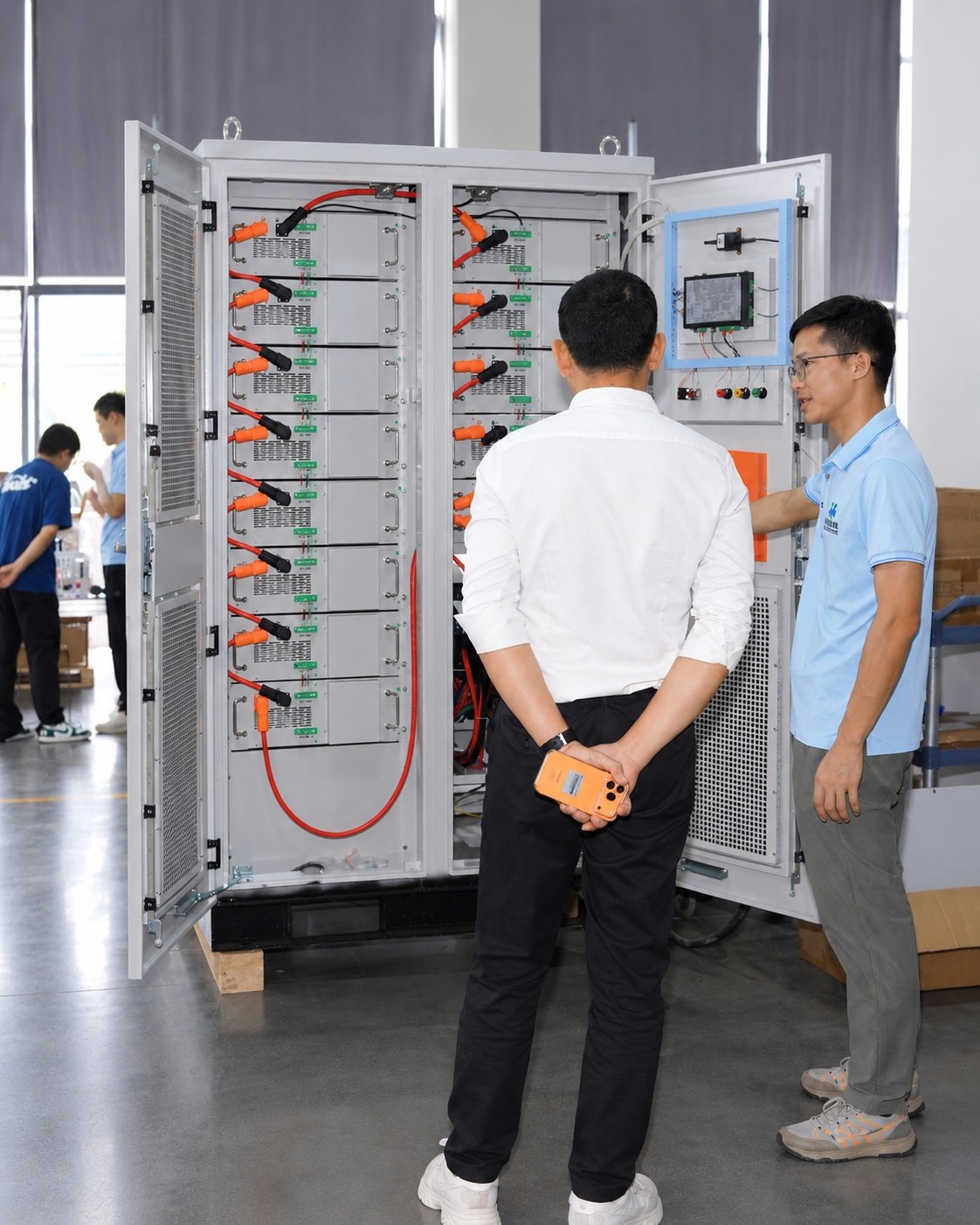
Unterscheiden Sie passive Konstruktion von aktiven Systemen
Listen Sie jedes aktive und passive Merkmal auf, das während des Tests vorhanden war: Zellabstand, Isolierung, Barrieren, Entlüftungen, Gehäusepaneele, Druckentlastung, Detektion, BMS, Schütze, Ventilatoren, Pumpen, Unterdrückung und externer Brandschutz. Geben Sie an, welche Funktionen in Betrieb, deaktiviert oder durch Testdesign nicht verfügbar waren.
Aktive Steuerungen können die normale Detektion und Reaktion verbessern, aber Thermal Runaway kann Stromversorgung, Kommunikation und Sensoren beeinträchtigen. Der Bericht sollte auf das Verhalten mit der tatsächlichen Testkonfiguration hin gelesen werden. Behaupten Sie nicht, dass ein Ventilator, eine Pumpe oder ein BMS die Ausbreitung gestoppt hat, wenn die Testmethode absichtlich nicht auf diese Funktion angewiesen war.
Für Projektsteuerungen verbinden Sie Berichtsbeobachtungen mit der BESS-Brandmeldeanlagen-Ursache-Wirkungs-Matrix. Berichtsnachweise können Schwellenwerte oder Maßnahmen stützen, aber der Standort muss installierte Detektion, Isolation, Belüftung, Unterdrückung und Benachrichtigungswege separat verifizieren.
Lesen Sie Gas-, Druck-, Wärme- und Wiederentzündungsdaten zusammen
Gaszusammensetzung, Freisetzungsrate, Entflammbarkeit, Temperatur, Wärmefreisetzung, Wärmestrom und Druck adressieren unterschiedliche Gefahren. Fragen Sie die Brand- und Explosionsspezialisten, welche Daten sie benötigen und ob der Bericht Roh- oder zusammengefasste Ergebnisse liefert. Eine Aussage, dass keine Flamme beobachtet wurde, bedeutet nicht, dass kein brennbares Gas erzeugt wurde.
Überprüfen Sie Sensorpositionen, Probenahmezeitpunkt, Nachweisgrenzen und Unsicherheit. Gas, das an einem Punkt in einem Testgehäuse gemessen wird, repräsentiert möglicherweise nicht jede Konzentration in einem Projektsraum. Wärmestrom und Zieltemperaturen hängen von Geometrie und Abstand ab. Verwenden Sie technische Analyse, um Testdaten auf die Installation zu übertragen.
Erfassen Sie Wiederentzündungs- oder anhaltende Erwärmungsbeobachtungen und Überwachungsdauer. Notfallpläne sollten nicht davon ausgehen, dass das Ereignis endet, wenn sichtbare Flammen aufhören. Verknüpfen Sie Produktnachweise mit dem BESS-Notfallinformationspaket , damit Einsatzkräfte verifizierte Fakten erhalten, nicht vereinfachte Marketingaussagen.
Compare the Test Layout with the Site
Compare enclosure orientation, doors, panels, vents, spacing to adjacent units and walls, overhead exposures, indoor or outdoor condition, ceiling, room volume, ventilation, suppression, barriers and target materials. Mark each difference as equivalent, conservative, requiring analysis or requiring new evidence.
UL Solutions’ 2026 announcement on large-scale BESS fire testing describes enhanced installation-level evaluation. Buyers should confirm which edition and test method their report used and whether the current project relies on a configuration outside that evidence.
Do not overlook site drainage, access and neighboring hazards. A test can support separation and thermal exposure analysis but does not design emergency vehicle routes, runoff control, utility isolation or post-incident storage. These remain site responsibilities.
| Comparison field | Report condition | Project review |
|---|---|---|
| Cell/module/unit revision | Exact tested identity | Match, assessed change or new evidence |
| State of charge and conditioning | Defined test state | Understand purpose and conservatism |
| Initiation point/method | Cell and location used | Relevant to product arrangements |
| Enclosure openings | Doors, vents and relief state | Matches installed hardware and controls |
| Spacing/exposures | Targets, walls and adjacent units | Site layout within supported basis |
| Active mitigation | Operating, disabled or external | No unsupported reliance |
| Instrumentation | Gas, pressure, heat and temperature points | Data suitable for engineering use |
| Duration/end state | Monitoring, reignition and observations | Emergency/recovery assumptions aligned |
Check Deviations, Anomalies and Unsuccessful Runs
Read the deviation and observation sections, not only the conclusion. Note failed initiation, sensor loss, unexpected panel opening, equipment malfunction, changed setup, incomplete data or repeated runs. Determine how the laboratory and report author treated each issue and whether it limits the project decision.
Request referenced appendices, photographs and raw-data summaries required for review. Redactions may protect proprietary design, but they should not remove information the authority or fire engineer needs to assess configuration and results. Establish a confidential review route where necessary.
The US Environmental Protection Agency’s BESS safety and environmental considerations provide useful installation and emergency-planning context. Use those project-level considerations alongside the product-specific test report, and confirm current authority requirements directly.
Connect the Report to Procurement and Change Control
Require bidders to identify report numbers, applicable product models, standard editions, deviations and project gaps. The supplier should disclose planned cell, module, barrier, enclosure, firmware or mitigation changes before manufacture. The owner decides whether the updated design remains within the accepted evidence.
At factory and site review, verify construction and settings that the safety case depends on. Use the BESS-FAT-Protokoll to record product identity, firmware and functional controls. FAT cannot reproduce destructive propagation testing, but it can confirm that the supplied configuration matches the reviewed evidence.
After operation begins, screen module replacement, augmentation, repowering, fire-system modification and enclosure repair against the report basis. Keep the report, gap analysis, approvals and current product register together. A report that cannot be mapped to installed serials has limited lifecycle value.
Use a Report-Review Schedule in the RFQ
| RFQ-Leistung | Mindestinhalt | Abnahmepunkt |
|---|---|---|
| Report register | Lab, number, date, edition, level and product identity | Bid technical review |
| Configuration mapping | Cell, module, unit and mitigation against offered product | Before design approval |
| Project gap matrix | Test layout versus site layout and fire systems | Fire-engineer/AHJ review |
| Datenpaket | Gas, heat, pressure, photos, observations and deviations | Suitable for analysis |
| Safety-function mapping | Passive and active features present during test | No unsupported claim |
| Responder summary | Verified hazards, remaining energy and test observations | Emergency plan accepted |
| Production conformity | Traceability and controlled substitutions | Before shipment |
| Lifecycle change rule | Screening, re-analysis and new-test triggers | Transferred to operations |
Verwenden Sie die kommerzielle BESS-Beschaffungscheckliste to connect propagation evidence with certification, site safety, commissioning, service and change control. A low-price bid with an unmapped report can transfer significant approval work to the owner.
Turn Measurements into Project Decisions
A report can contain hundreds of temperature, heat-flux, gas and video observations. Procurement teams do not need to reproduce the laboratory analysis, but they do need a decision map. Each important observation should be assigned to a design question: separation distance, wall rating, ventilation concept, gas detection, pressure relief, emergency isolation, firefighting access or post-event monitoring. If a measurement is cited in the safety case, record its sensor location, time basis, range and any limitation. A peak value without location and timing can be easy to quote and hard to use.
Heat-flux data deserve particular care. Confirm the target surface, orientation, distance, sampling interval and whether the quoted result is a peak, an average or a threshold-duration value. Compare those details with the exposure the project engineer is assessing. A sensor positioned beside a test unit does not automatically establish the heat input at a building façade, boundary or differently oriented adjacent enclosure. The fire-protection engineer should make that translation and document the assumptions.
Gas results also require context. The report may identify gas species, concentration trends, release timing or flammability observations, but readings depend on sampling point, dilution, ventilation, enclosure state and analytical method. Ask whether the data support detector selection, alarm thresholds, ventilation logic or only general hazard identification. Do not copy a concentration from a test report into a site setpoint without a qualified controls and fire-safety review.
Pressure events should be traced against the physical sequence. Note when doors, vents, panels or other relief features moved; whether the movement was intentional; and whether fragments or hot material affected targets. Confirm that the installed relief path remains unobstructed after cable routing, weather protection, adjacent equipment and maintenance access are added. A design change outside the enclosure can still invalidate an installation assumption.
Large-scale research helps teams understand why full observations matter. Sandia National Laboratories’ report on large-scale energy-storage fire testing discusses fire spread, gas generation and the value of data for emergency response. Use such research to improve review questions, while keeping product-specific decisions tied to the tested product and the authority-approved project analysis.
Define What Happens When the Product Changes
Propagation evidence is configuration-sensitive. A change to cell supplier, electrode format, module spacing, thermal interface material, busbar insulation, vent path, barrier, door seal, firmware, cooling arrangement or fire-system logic can alter initiation, propagation or release behavior. The contract should therefore define a controlled baseline before purchase order and require written notice before a safety-relevant substitution. “Equivalent component” is not a sufficient engineering disposition.
The change review should name the responsible parties and possible outcomes. A proposed change may be accepted as within the documented test family, supported by a laboratory or engineering assessment, restricted by an installation control, or sent for additional testing. The supplier should provide the comparison evidence; the owner, engineer, insurer and authority retain their respective approval roles. Set review lead times early so a late substitution does not force an unsafe choice between schedule and evidence.
Traceability must continue through delivery. Record the installed cell and module identifiers, enclosure revision, protection and fire-system versions, and applicable report numbers. Sample production records at FAT and reconcile them again at site receipt. If several production lots or approved configurations are used, map serial-number ranges to the supporting evidence. This is especially important for multi-phase projects where a later block may look identical but contain revised components.
Apply the same discipline after handover. Maintenance teams need a rule for damaged-module replacement, fire-system repair and firmware changes. Augmentation and repowering reviews should reopen the propagation gap analysis because the new equipment may change spacing, exposure, controls or responder access. Preserve superseded reports and dispositions so an incident investigation or warranty review can reconstruct the evidence that applied at the time.
Die Käuferentscheidung
Accept a thermal-runaway propagation report when its test level answers the project question, the tested construction matches the offered product, the setup and deviations are understood, engineering teams can use the data and all installation differences have an approved disposition.
The conclusion is not “the battery passed.” The conclusion is a defined evidence boundary: what was tested, what was observed, which project decisions it supports and which risks still require design, operational or emergency controls.