

Raport dotyczący propagacji thermal runaway może zawierać setki stron pomiarów temperatur, gazów, fotografii i obserwacji. Nabywcy często redukują go do jednego zdania — “brak propagacji” — bez potwierdzenia, co zostało zainicjowane, jaki poziom był badany, która rewizja konstrukcji została użyta lub czy instalacja różni się od układu testowego.
Raport nie jest ogólnym certyfikatem, że każdy projekt wykorzystujący podobną baterię jest bezpieczny. Jest to dowód z określonego obiektu testowego, metody inicjacji, stanu, obudowy, odstępów, wentylacji i konfiguracji środków łagodzących. Profesjonalny przegląd śledzi te warunki do oferowanego sprzętu oraz projektu przeciwpożarowego, przeciwwybuchowego, separacji i reagowania awaryjnego w miejscu instalacji.
Aktualny dokument UL Solutions Przegląd UL 9540A opisuje cele na poziomie ogniwa, modułu, jednostki i instalacji oraz wyjaśnia najnowsze edycje. Nabywcy powinni zidentyfikować obowiązującą edycję, poziom testu i lokalną podstawę zatwierdzenia, zamiast traktować “przebadany według UL 9540A” jako kompletną odpowiedź.
Zidentyfikuj raport, poziom testu i zamierzoną decyzję
Zapisz laboratorium, zakres akredytacji, numer raportu, datę, edycję normy, poziom testu, klienta, nazwę produktu, model, tożsamość ogniwa i modułu, rewizję obudowy oraz wszelkie ograniczenia raportu. Potwierdź, czy dokument jest kompletnym raportem, streszczeniem zarządczym, pismem czy wyciągiem marketingowym. Streszczenie może pomijać konfigurację i odchylenia potrzebne do przeglądu inżynierskiego.
Określ decyzję projektową, którą raport musi wspierać: certyfikację produktu, separację, projekt systemu przeciwpożarowego, analizę gazów lub wybuchu, planowanie działań ratowniczych, pozwolenia lub przegląd ubezpieczyciela. Różne pytania wymagają różnych poziomów testów i danych. Nie należy oczekiwać, że wynik dotyczący gazów na poziomie ogniwa udowodni rozprzestrzenianie ognia między jednostkami, ani że test jednostki udowodni zmieniony układ budynku.
| Poziom testu | Zakres dowodów | Czego nabywca nie powinien wnioskować |
|---|---|---|
| Ogniwo | Charakterystyka thermal runaway i dane gazowe | Zachowanie kompletnego modułu lub obudowy |
| Moduł | Tendencja do propagacji między ogniwami i emisje | Wydajność przeciwpożarowa między jednostkami lub budynkiem |
| Jednostka | Propagacja w module, zachowanie cieplno-gazowe i efekty obudowy | Każdy odstęp na miejscu instalacji lub układ pomieszczenia |
| Instalacja/wielka skala | Rozprzestrzenianie ognia, ekspozycje i zainstalowane środki łagodzące w określonej konfiguracji | Niezweryfikowane zmiany sprzętu lub układu |
| Certyfikacja produktu | Ocena według normy produktowej i nazwanej konfiguracji | Automatyczne zatwierdzenie dla każdej jurysdykcji |
Dopasuj ogniwo i moduł do oferowanego produktu
Porównaj producenta, model, chemię, format, pojemność, masę, wymiary i rewizję produkcyjną badanego ogniwa. Następnie porównaj układ modułu, konfigurację szeregowo/równoległą, odstępy, sprężenie, bariery, ścieżki cieplne, szyny zbiorcze, zabezpieczenia topikowe i obudowę. “Ta sama chemia” lub “ta sama pojemność” nie ustala równoważności.
Prześledź zamienniki i zmiany w łańcuchu dostaw. Jeśli oferowany produkt wykorzystuje inne ogniwo, barierę, ścieżkę odpowietrzania lub materiał modułu, wymagaj udokumentowanej oceny technicznej i wszelkich dodatkowych dowodów testowych wymaganych przez organ, jednostkę certyfikującą, inżyniera ds. pożarowych lub ubezpieczyciela. Zachowaj decyzję w dokumentacji projektu.
Szersze rozróżnienia w przewodniku UL 9540, UL 9540A i NFPA 855 pomagają zespołom zakupowym oddzielić ocenę produktu, metodę testu propagacji i normę instalacyjną. Stosuj edycję i przyjęcie mające zastosowanie do danej lokalizacji.
Przeanalizuj metodę inicjacji i stan
Zidentyfikuj, w jaki sposób zainicjowano thermal runaway, które ogniwo wybrano, gdzie znajdowało się w module lub jednostce oraz czy metoda wytworzyła reprezentatywne nagrzewanie i odpowietrzanie. Zapisz stan naładowania baterii, kondycjonowanie, temperaturę i czas spoczynku. Raport może wykorzystywać zdefiniowany warunek najgorszego przypadku lub znormalizowany warunek, który różni się od rutynowej eksploatacji; recenzent musi zrozumieć cel, a nie przeklasyfikowywać go jako prognozę zdarzenia terenowego.
Sprawdź, czy wybrana lokalizacja inicjacji stanowiła wyzwanie dla sąsiednich ogniw, barier, ścieżek gazowych i środków łagodzących. Jeśli produkt zawiera wiele orientacji modułów lub szaf, zidentyfikuj, które zostały przebadane. Zanotuj powtórzenia testów i odchylenia. Jednego wyniku nie należy uogólniać poza jego udokumentowany zakres bez uzasadnienia technicznego.
DOE Strategiczny plan bezpieczeństwa magazynowania energii opisuje zwalidowane bezpieczeństwo i znaczenie projektowania systemu oraz testowania. Zastosuj tę perspektywę cyklu życia: dowody testowe informują zapobieganie, łagodzenie, instalację, reagowanie i późniejszą kontrolę zmian.
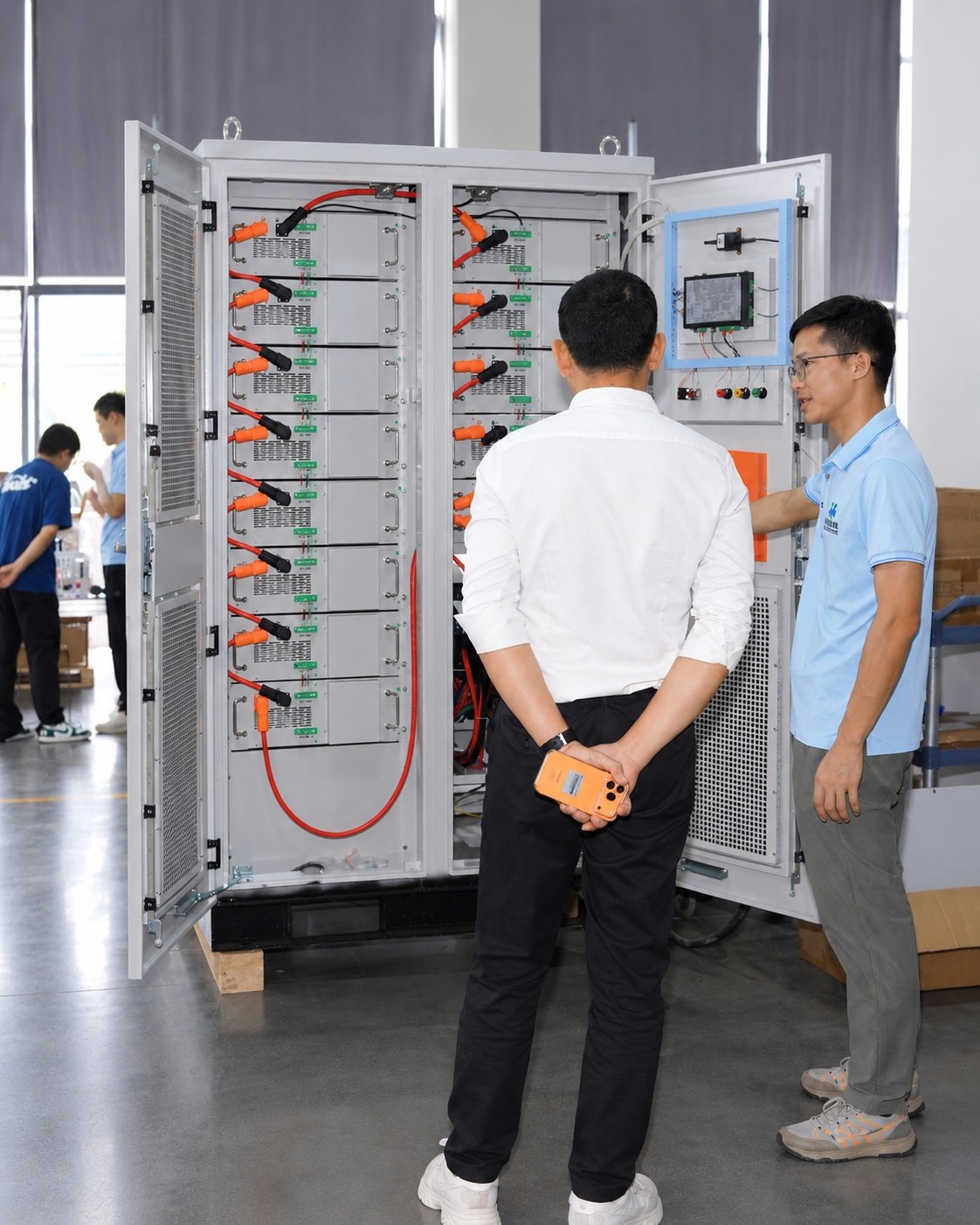
Odróżnij konstrukcję pasywną od systemów aktywnych
Wymień każdą funkcję aktywną i pasywną obecną podczas testu: odstępy między ogniwami, izolację, bariery, odpowietrzniki, panele obudowy, zawory ciśnieniowe, detekcję, BMS, styczniki, wentylatory, pompy, systemy tłumienia i zewnętrzną ochronę przeciwpożarową. Wskaż, które funkcje działały, zostały wyłączone lub były niedostępne zgodnie z projektem testu.
Aktywne układy sterowania mogą poprawić normalną detekcję i reagowanie, ale thermal runaway może zakłócić zasilanie, komunikację i czujniki. Raport należy czytać pod kątem zachowania w rzeczywistej konfiguracji testowej. Nie twierdź, że wentylator, pompa lub BMS zatrzymały propagację, jeśli metoda testu celowo nie opierała się na tej funkcji.
W przypadku układów sterowania projektem połącz obserwacje z raportu z macierzą przyczynowo-skutkową alarmu pożarowego BESS. Dowody z raportu mogą wspierać progi lub działania, ale miejsce instalacji musi niezależnie zweryfikować zainstalowane ścieżki detekcji, izolacji, wentylacji, tłumienia i powiadamiania.
Czytaj dane dotyczące gazów, ciśnienia, ciepła i ponownego zapłonu łącznie
Skład gazu, szybkość uwalniania, palność, temperatura, wydzielanie ciepła, strumień cieplny i ciśnienie dotyczą różnych zagrożeń. Zapytaj specjalistów ds. pożarów i wybuchów, jakich danych potrzebują i czy raport dostarcza wyniki surowe czy podsumowane. Stwierdzenie, że nie zaobserwowano płomienia, nie oznacza, że nie wytworzono palnego gazu.
Przeanalizuj lokalizacje czujników, timing pobierania próbek, granice detekcji i niepewność. Gaz zmierzony w jednym punkcie w obudowie testowej może nie reprezentować każdego stężenia w pomieszczeniu projektowym. Strumień cieplny i temperatury docelowe zależą od geometrii i odległości. Wykorzystaj analizę inżynierską do przeniesienia danych testowych na instalację.
Zapisz obserwacje dotyczące ponownego zapłonu lub kontynuowanego nagrzewania oraz czas monitorowania. Plany awaryjne nie powinny zakładać, że zdarzenie kończy się, gdy widoczny płomień zniknie. Połącz dowody produktowe z pakietem informacji awaryjnych BESS aby osoby reagujące otrzymały zweryfikowane fakty, a nie uproszczone twierdzenia marketingowe.
Compare the Test Layout with the Site
Compare enclosure orientation, doors, panels, vents, spacing to adjacent units and walls, overhead exposures, indoor or outdoor condition, ceiling, room volume, ventilation, suppression, barriers and target materials. Mark each difference as equivalent, conservative, requiring analysis or requiring new evidence.
UL Solutions’ 2026 announcement on large-scale BESS fire testing describes enhanced installation-level evaluation. Buyers should confirm which edition and test method their report used and whether the current project relies on a configuration outside that evidence.
Do not overlook site drainage, access and neighboring hazards. A test can support separation and thermal exposure analysis but does not design emergency vehicle routes, runoff control, utility isolation or post-incident storage. These remain site responsibilities.
| Comparison field | Report condition | Project review |
|---|---|---|
| Cell/module/unit revision | Exact tested identity | Match, assessed change or new evidence |
| State of charge and conditioning | Defined test state | Understand purpose and conservatism |
| Initiation point/method | Cell and location used | Relevant to product arrangements |
| Enclosure openings | Doors, vents and relief state | Matches installed hardware and controls |
| Spacing/exposures | Targets, walls and adjacent units | Site layout within supported basis |
| Active mitigation | Operating, disabled or external | No unsupported reliance |
| Instrumentation | Gas, pressure, heat and temperature points | Data suitable for engineering use |
| Duration/end state | Monitoring, reignition and observations | Emergency/recovery assumptions aligned |
Check Deviations, Anomalies and Unsuccessful Runs
Read the deviation and observation sections, not only the conclusion. Note failed initiation, sensor loss, unexpected panel opening, equipment malfunction, changed setup, incomplete data or repeated runs. Determine how the laboratory and report author treated each issue and whether it limits the project decision.
Request referenced appendices, photographs and raw-data summaries required for review. Redactions may protect proprietary design, but they should not remove information the authority or fire engineer needs to assess configuration and results. Establish a confidential review route where necessary.
The US Environmental Protection Agency’s BESS safety and environmental considerations provide useful installation and emergency-planning context. Use those project-level considerations alongside the product-specific test report, and confirm current authority requirements directly.
Connect the Report to Procurement and Change Control
Require bidders to identify report numbers, applicable product models, standard editions, deviations and project gaps. The supplier should disclose planned cell, module, barrier, enclosure, firmware or mitigation changes before manufacture. The owner decides whether the updated design remains within the accepted evidence.
At factory and site review, verify construction and settings that the safety case depends on. Use the Protokół FAT dla BESS to record product identity, firmware and functional controls. FAT cannot reproduce destructive propagation testing, but it can confirm that the supplied configuration matches the reviewed evidence.
After operation begins, screen module replacement, augmentation, repowering, fire-system modification and enclosure repair against the report basis. Keep the report, gap analysis, approvals and current product register together. A report that cannot be mapped to installed serials has limited lifecycle value.
Use a Report-Review Schedule in the RFQ
| Element dostarczany w RFQ | Minimalna zawartość | Punkt odbioru |
|---|---|---|
| Report register | Lab, number, date, edition, level and product identity | Bid technical review |
| Configuration mapping | Cell, module, unit and mitigation against offered product | Before design approval |
| Project gap matrix | Test layout versus site layout and fire systems | Fire-engineer/AHJ review |
| Pakiet danych | Gas, heat, pressure, photos, observations and deviations | Suitable for analysis |
| Safety-function mapping | Passive and active features present during test | No unsupported claim |
| Responder summary | Verified hazards, remaining energy and test observations | Emergency plan accepted |
| Production conformity | Traceability and controlled substitutions | Before shipment |
| Lifecycle change rule | Screening, re-analysis and new-test triggers | Transferred to operations |
Use the lista kontrolna zamówień komercyjnych BESS to connect propagation evidence with certification, site safety, commissioning, service and change control. A low-price bid with an unmapped report can transfer significant approval work to the owner.
Turn Measurements into Project Decisions
A report can contain hundreds of temperature, heat-flux, gas and video observations. Procurement teams do not need to reproduce the laboratory analysis, but they do need a decision map. Each important observation should be assigned to a design question: separation distance, wall rating, ventilation concept, gas detection, pressure relief, emergency isolation, firefighting access or post-event monitoring. If a measurement is cited in the safety case, record its sensor location, time basis, range and any limitation. A peak value without location and timing can be easy to quote and hard to use.
Heat-flux data deserve particular care. Confirm the target surface, orientation, distance, sampling interval and whether the quoted result is a peak, an average or a threshold-duration value. Compare those details with the exposure the project engineer is assessing. A sensor positioned beside a test unit does not automatically establish the heat input at a building façade, boundary or differently oriented adjacent enclosure. The fire-protection engineer should make that translation and document the assumptions.
Gas results also require context. The report may identify gas species, concentration trends, release timing or flammability observations, but readings depend on sampling point, dilution, ventilation, enclosure state and analytical method. Ask whether the data support detector selection, alarm thresholds, ventilation logic or only general hazard identification. Do not copy a concentration from a test report into a site setpoint without a qualified controls and fire-safety review.
Pressure events should be traced against the physical sequence. Note when doors, vents, panels or other relief features moved; whether the movement was intentional; and whether fragments or hot material affected targets. Confirm that the installed relief path remains unobstructed after cable routing, weather protection, adjacent equipment and maintenance access are added. A design change outside the enclosure can still invalidate an installation assumption.
Large-scale research helps teams understand why full observations matter. Sandia National Laboratories’ report on large-scale energy-storage fire testing discusses fire spread, gas generation and the value of data for emergency response. Use such research to improve review questions, while keeping product-specific decisions tied to the tested product and the authority-approved project analysis.
Define What Happens When the Product Changes
Propagation evidence is configuration-sensitive. A change to cell supplier, electrode format, module spacing, thermal interface material, busbar insulation, vent path, barrier, door seal, firmware, cooling arrangement or fire-system logic can alter initiation, propagation or release behavior. The contract should therefore define a controlled baseline before purchase order and require written notice before a safety-relevant substitution. “Equivalent component” is not a sufficient engineering disposition.
The change review should name the responsible parties and possible outcomes. A proposed change may be accepted as within the documented test family, supported by a laboratory or engineering assessment, restricted by an installation control, or sent for additional testing. The supplier should provide the comparison evidence; the owner, engineer, insurer and authority retain their respective approval roles. Set review lead times early so a late substitution does not force an unsafe choice between schedule and evidence.
Traceability must continue through delivery. Record the installed cell and module identifiers, enclosure revision, protection and fire-system versions, and applicable report numbers. Sample production records at FAT and reconcile them again at site receipt. If several production lots or approved configurations are used, map serial-number ranges to the supporting evidence. This is especially important for multi-phase projects where a later block may look identical but contain revised components.
Apply the same discipline after handover. Maintenance teams need a rule for damaged-module replacement, fire-system repair and firmware changes. Augmentation and repowering reviews should reopen the propagation gap analysis because the new equipment may change spacing, exposure, controls or responder access. Preserve superseded reports and dispositions so an incident investigation or warranty review can reconstruct the evidence that applied at the time.
Decyzja kupującego
Accept a thermal-runaway propagation report when its test level answers the project question, the tested construction matches the offered product, the setup and deviations are understood, engineering teams can use the data and all installation differences have an approved disposition.
The conclusion is not “the battery passed.” The conclusion is a defined evidence boundary: what was tested, what was observed, which project decisions it supports and which risks still require design, operational or emergency controls.